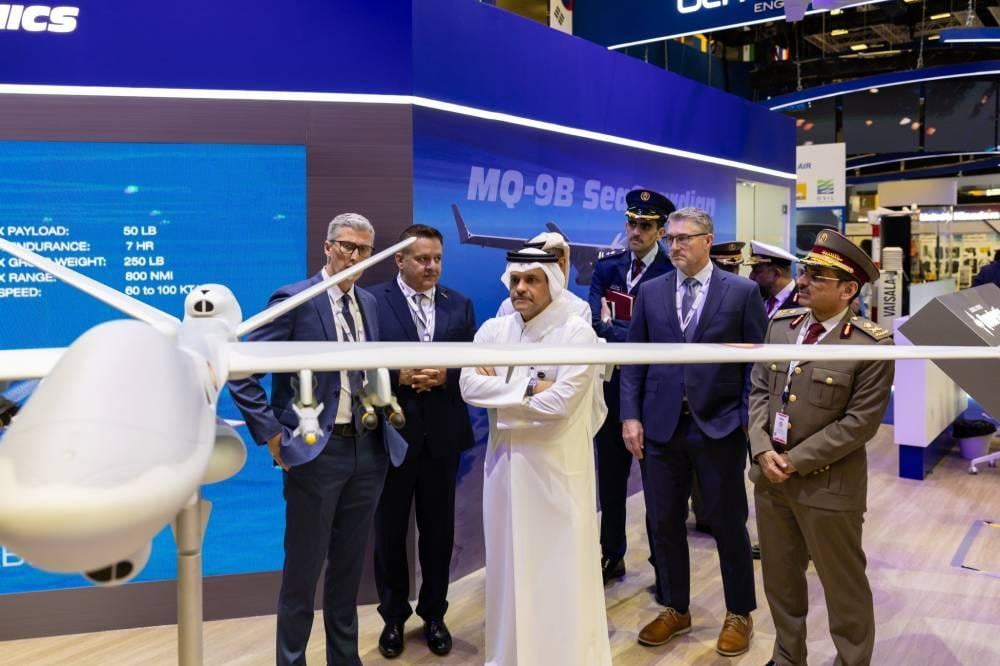
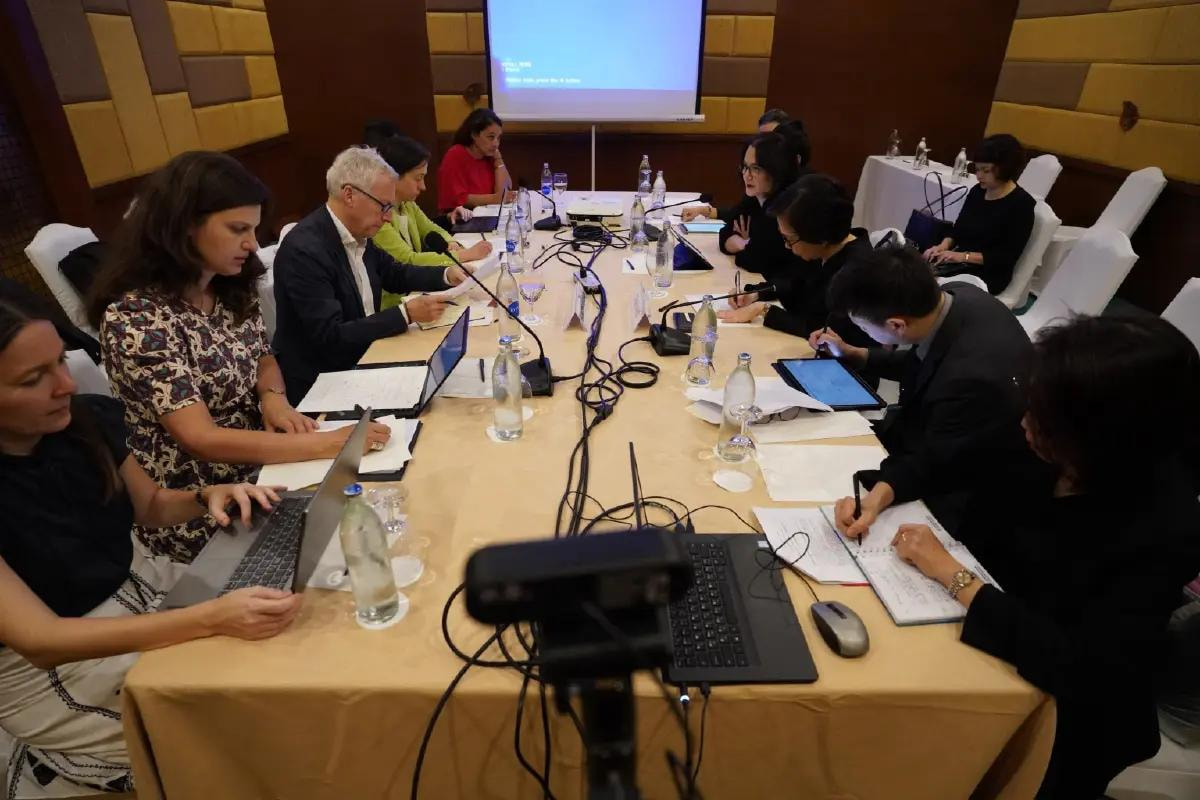
Doha: Qatar defence cooperation is moving from polite aspiration to a working agenda, and the European Union appears determined to keep it moving even after Gulf tensions forced the postponement of the EU-GCC summit that had been set for 24 October 2026. The clearest signal came from Antonino Maggiore, the new EU ambassador to Qatar, who set out a two-track plan in an interview recorded in Doha on 10 November.
The first track is industrial. Brussels wants a platform that connects private defence companies in Europe and the Gulf, so that procurement conversations no longer depend only on capital-to-capital deals. The second track is regulatory, with the EU presenting its common defence-industrial policies to Qatar and the wider Gulf Cooperation Council. Both tracks treat Qatar defence cooperation as an extension of the Union’s own effort to build a single defence market at home.
A seminar on defence technology and artificial intelligence, scheduled for Doha on 3 December 2026, will be the first practical test of Qatar defence cooperation under this model. The choice of theme is telling. Artificial intelligence, drones and air defence dominate the European debate on readiness, and Gulf states have spent heavily on exactly these capabilities after years of missile and drone threats in their neighbourhood.
The EU is not starting from zero. France, Italy, Spain and Germany already run substantial bilateral defence relationships with Doha, from combat aircraft to naval vessels. The open question is whether Qatar defence cooperation at Union level can add value on top of those national ties rather than compete with them. A Brussels-level framework could offer common standards, joint research and predictable export rules, but member states will guard their own sales jealously.
Politics will shape the pace as much as industry. The ambassador praised Qatar’s mediation between Washington and Tehran and stressed a shared position on freedom of navigation in the Strait of Hormuz, a route whose disruption has already tightened European energy markets this year. He also conceded that EU capitals remain divided over Gaza, a split that limits how far Brussels can speak with one voice in the region.
The diplomatic calendar offers further openings. Luigi Di Maio, the EU Special Representative for the Gulf, has visited Doha, and Transport Commissioner Apostolos Tzitzikostas is expected at the Doha Forum in December. Brussels also hopes to make progress over the coming year on visa liberalisation for Qatari citizens and on a strategic partnership agreement, both of which would give Qatar defence cooperation a firmer legal home.
The broader logic is clear enough. Europe wants partners who can finance, buy and co-develop equipment while sharing its interest in open sea lanes. Qatar wants diversified security relationships that do not rest on a single patron. A postponed summit has not changed either calculation, and the ambassador argued that the objectives themselves had not been postponed.
Whether Qatar defence cooperation becomes a model for the Gulf will depend on delivery after the December seminar. If Brussels can turn an industry platform and a technology dialogue into concrete joint projects, it will have shown that the Union can act as a security partner in the Gulf in its own right, not merely as the sum of four national arms relationships.
Mogadishu: El Niño anticipatory aid worth €13.5 million is the European Commission’s latest bet that money spent before a disaster strikes saves more lives than money spent afterwards. Announced on 6 November 2026 from the EU’s emergency reserves, the package targets Eastern and Southern Africa ahead of a 2026-2027 El Niño that forecasters warn may be the strongest on record.
Within this El Niño anticipatory aid package, Somalia receives the largest share, €6 million, for preparing evacuation sites, delivering emergency cash and scaling up health and nutrition services. Kenya gets €1 million for disaster preparedness, cash assistance, shelter and nutrition in its most exposed areas. Uganda receives €1 million to respond to food insecurity that is already under way, while €5.5 million goes to anticipatory and early action across Southern Africa and the Indian Ocean region.
The logic behind El Niño anticipatory aid is simple and well tested. Humanitarian agencies have learned from droughts and floods in the Horn of Africa that cash delivered before harvests fail lets families keep livestock, avoid debt and stay in their homes. Aid that arrives after the shock usually costs more and achieves less, because households have already sold the assets that would have helped them recover.
Hadja Lahbib, Commissioner for Preparedness and Crisis Management, framed the decision in those terms. She argued that nobody can stop El Niño from arriving but that its impact can be limited, and she pointed to warning signs already visible on the ground, from withering crops to drying water sources. Her message was that early action is not charity but risk management.
Somalia shows why that matters. The country has endured repeated cycles of drought followed by flash floods, and the Juba and Shabelle river basins flood easily when heavy rains arrive. Displacement camps around Mogadishu and Baidoa host hundreds of thousands of people with little protection against either extreme. Preparing evacuation sites now could prevent a repeat of earlier crises in which flooding forced mass displacement within days.
The sums are modest, however, and that is the weakness of this round of El Niño anticipatory aid. Thirteen and a half million euros spread across three countries and an entire southern region will not match the scale of a record El Niño. Humanitarian budgets are also under pressure across donor countries, and the EU’s 2027 budget talks have exposed how tight the margins for crisis response have become.
Timing gives the decision diplomatic weight. The Commission linked climate resilience to COP31 in Antalya, where African governments are pressing for adaptation finance that reaches communities rather than ministries. A visible round of El Niño anticipatory aid lets Brussels argue that its humanitarian and climate policies are converging, and it strengthens the Union’s case as a reliable partner for the African Union and the Intergovernmental Authority on Development.
The real test will come in the coming months, as the rains arrive or fail. If El Niño anticipatory aid helps Somali, Kenyan and Ugandan families ride out the season without losing their livelihoods, it will make a strong case for moving far more of the EU’s humanitarian budget from response to prevention.