November 23, 2026
LATEST
Dutch Chip Equipment Export Curbs Cloud the EU-China Trade ThawCanada’s Associate Membership Model Tempts Japan, Korea and AustraliaAustralia Seals Horizon Europe Association as Trade Deal StallsChinese Overcapacity Fight Needs Horizontal Trade Tools, MEPs InsistCernavodă Nuclear Plant Overhaul Gets €400 Million EIB BoostGrounded Flights Mark Belgium National Strike on MondayArmenian Researchers Triple Their Horizon Europe Haul to €10.78mMultimodal Booking Rules Face a Blocking Minority Before 30 NovemberGrid Permitting Deal Caps Rooftop Solar Approvals at Three MonthsWinter Relief for Ukraine Leans on Generators, Buses and BridgesBlack Sea Security Hub Draws €50 Million From a Ten-Partner TableEDPS Europol Ruling Denies Privacy Watchdog Standing to SueUnpaid Carers Await a European Care Deal Promised for 2027Second EU-UK Summit Seals Food, Carbon and Youth PactsDigital Markets Act Compliance Is Cosmetic, BEUC Warns GatekeepersBanking Competitiveness Report Heads to a 1 December ECON ShowdownAviation Emissions Trading Plan Meets Gulf Pushback at ICAO MontrealEPPO Powers Expansion Wins Backing in Joint Committee VoteOceanEye Alliance Reaches 33 Members After COP31 PushRussian Athletes Divide EU Sport Ministers Over Visa CurbsDutch Chip Equipment Export Curbs Cloud the EU-China Trade ThawCanada’s Associate Membership Model Tempts Japan, Korea and AustraliaAustralia Seals Horizon Europe Association as Trade Deal StallsChinese Overcapacity Fight Needs Horizontal Trade Tools, MEPs InsistCernavodă Nuclear Plant Overhaul Gets €400 Million EIB BoostGrounded Flights Mark Belgium National Strike on MondayArmenian Researchers Triple Their Horizon Europe Haul to €10.78mMultimodal Booking Rules Face a Blocking Minority Before 30 NovemberGrid Permitting Deal Caps Rooftop Solar Approvals at Three MonthsWinter Relief for Ukraine Leans on Generators, Buses and BridgesBlack Sea Security Hub Draws €50 Million From a Ten-Partner TableEDPS Europol Ruling Denies Privacy Watchdog Standing to SueUnpaid Carers Await a European Care Deal Promised for 2027Second EU-UK Summit Seals Food, Carbon and Youth PactsDigital Markets Act Compliance Is Cosmetic, BEUC Warns GatekeepersBanking Competitiveness Report Heads to a 1 December ECON ShowdownAviation Emissions Trading Plan Meets Gulf Pushback at ICAO MontrealEPPO Powers Expansion Wins Backing in Joint Committee VoteOceanEye Alliance Reaches 33 Members After COP31 PushRussian Athletes Divide EU Sport Ministers Over Visa Curbs

Black Sea Security Hub Draws €50 Million From a Ten-Partner Table

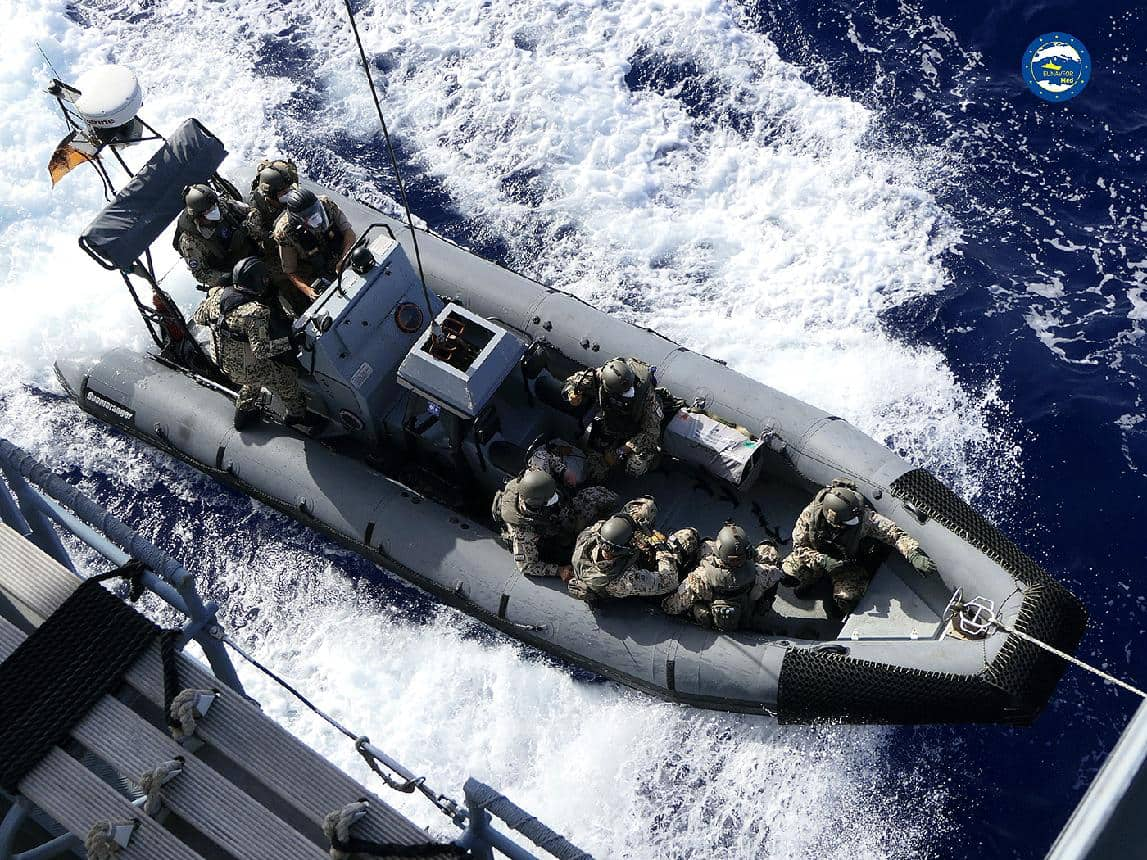
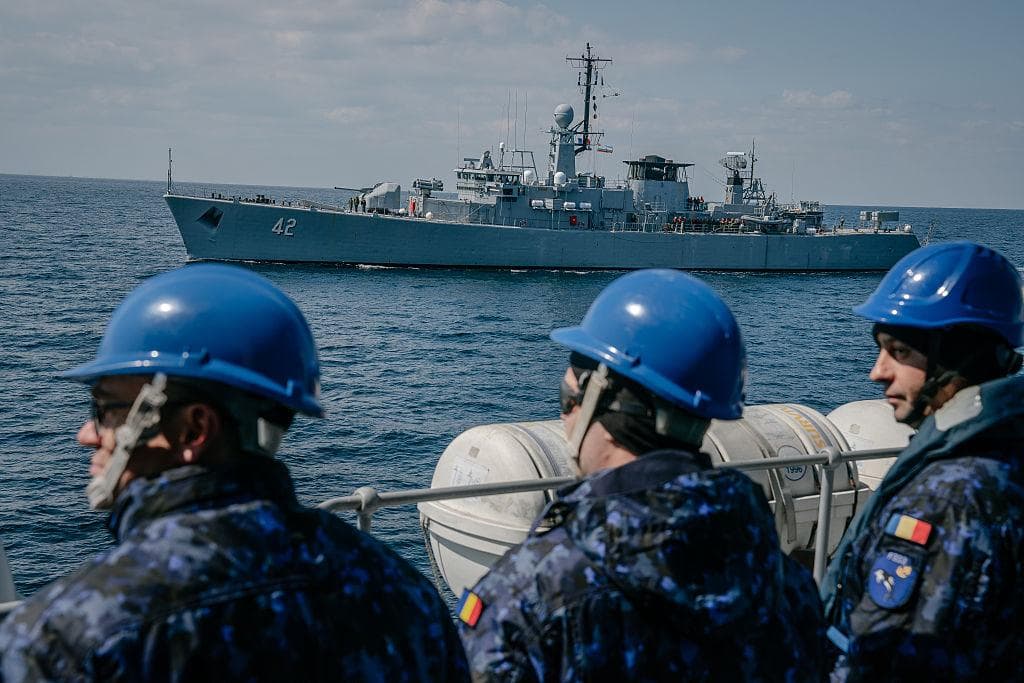
Varna: Black Sea security now has a dedicated European budget line and a physical address, after EU foreign ministers and ten partner countries agreed in Brussels on 16 November 2026 to fast-track a Black Sea Maritime Security Hub co-hosted by Bulgaria and Romania. The Commission will put €50 million into establishing the hub, plus two further tranches of €10 million each for Bulgarian and Romanian maritime search and rescue.

High Representative Kaja Kallas co-chaired the meeting with Enlargement Commissioner Marta Kos and International Partnerships Commissioner Jozef Síkela. Around the table sat Armenia, Azerbaijan, Kazakhstan, Kyrgyzstan, Moldova, Tajikistan, Türkiye, Turkmenistan, Ukraine and Uzbekistan. It was the second such gathering, after a first round in Luxembourg in October 2025.

The guest list explains the ambition. Brussels no longer treats Black Sea security as a narrow naval question for the coastal states. It links the sea to the Caspian, the South Caucasus and Central Asia, and it frames the whole space as one corridor where shipping, energy and data cables either flow safely or stop.

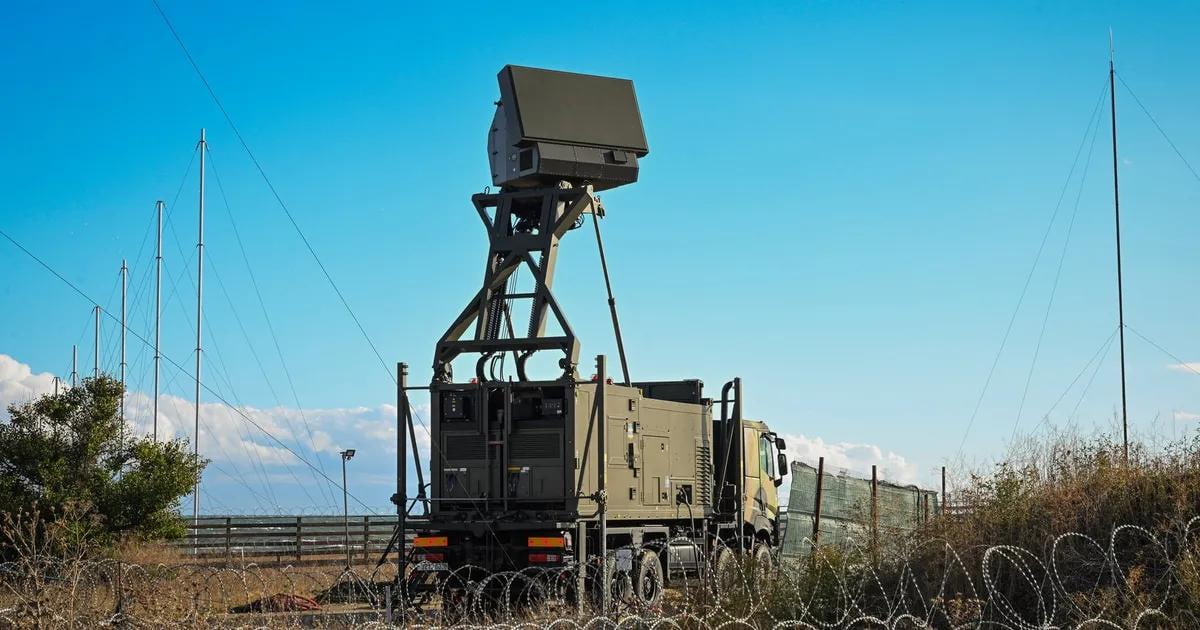
The threat picture for Black Sea security has sharpened in 2026. The Commission pointed to drone attacks on civilian ships and drone incursions on land, while Russia’s shadow fleet keeps moving sanctioned oil along the same routes. Ministers discussed early risk detection, protection of critical underwater and offshore infrastructure, hybrid threats and mine clearance, and they encouraged European work on counter-drone capabilities.

Kallas tied the agenda to food. Attacks at sea, she argued, make it harder to put food on plates across the world, not least in Africa. That framing matters, because Ukraine’s grain still leaves through Odesa and the Solidarity Lanes, and every strike on a merchant vessel raises insurance costs from Constanța to Alexandria.

The hub is the most concrete deliverable on Black Sea security so far. Its value will depend less on the building than on the data it pools. Coastal states, NATO allies and Ukraine already run their own surveillance, and a shared picture of vessel movements, drone tracks and seabed activity would let them act before an incident rather than after it. Ministers also agreed to swap lessons between the Baltic and the Black Sea, where cable sabotage has taught Nordic navies hard lessons.

Kos made the economic case with one line, saying that excessive dependencies make us vulnerable. The Middle Corridor, which runs from Central Asia across the Caspian to the South Caucasus and on through Türkiye and the Black Sea, carries the EU’s goal to triple trade flows and cut freight transit times by 2030. None of that works without Black Sea security on the final sea leg.

Black Sea security also faces clear limits. €50 million buys coordination, sensors and training, not a fleet. The Montreux Convention restricts warship access through the Turkish Straits, so Ankara’s cooperation is indispensable, and Türkiye guards its own role jealously. Georgia, a Black Sea state whose government has drifted from Brussels, did not appear on the partner list.

The South Caucasus and Central Asian partners also want something tangible in return. Armenian and Kazakh officials have pressed for faster border crossings, simpler customs and real projects backed by banks and private investors. If Black Sea security improves while Global Gateway money for ports and rail stays slow, the partnership will feel lopsided.

The calendar now sets the test. The co-chairs plan to reconvene in a year, and Bulgaria will host a Regional Connectivity Summit in Sofia in 2027. By then the hub should be operational and sharing data with Kyiv, Chișinău and Ankara. If it is, Black Sea security will have moved from communiqué language to a working European instrument, and the corridor beyond it will look far more bankable.