Chișinău: Moldova air defence has moved to the centre of the country’s security relationship with Brussels, as drone incursions from the war next door test a small state with a thin military budget. The shift was clear at the fifth EU-Moldova High-Level Political and Security Dialogue, held in Chișinău on 5 November 2026.
Olof Skoog, Deputy Secretary-General for Political Affairs at the European External Action Service, co-chaired the meeting with Valeriu Mija, State Secretary at Moldova’s foreign ministry. Deputy Prime Minister and Foreign Minister Mihai Popșoi opened the session, stressing resilience against cyberattacks and disinformation and the government’s steady move towards full alignment with the EU’s Common Foreign and Security Policy.
The headline figure is cumulative rather than new. Since 2021 the European Peace Facility has allocated €317 million to Moldova’s defence and security reform, with a growing share aimed at air surveillance and Moldova air defence. No fresh military package and no binding security guarantee came out of the dialogue, a point Moldovan commentators were quick to note.
The framework for Moldova air defence support is the EU-Moldova Security and Defence Partnership signed in 2024, the first of its kind with a candidate country. It links equipment deliveries to institutional reform, crisis-management capacity and the work of the EU Partnership Mission in Moldova, a civilian mission focused on hybrid threats and foreign information manipulation and interference.
That pairing is deliberate. Moldova’s most persistent threats are not tanks but drones straying across its airspace, energy blackmail, vote-buying networks and coordinated online campaigns. Investing in Moldova air defence without parallel work on cyber security and information integrity would leave the softer flanks exposed, and Brussels has chosen to fund both through separate toolboxes.
The dialogue also returned to Transnistria. The EU reiterated its support for a settlement that respects Moldova’s sovereignty and territorial integrity, language that becomes more pointed as Chișinău advances in accession talks while a Russian military presence remains on the left bank of the Dniester.
Accession adds a second layer of leverage. The Commission’s latest enlargement assessment found that Moldova had met the conditions to move ahead with its remaining negotiating clusters, while October saw €157 million disbursed under Moldova’s Growth Plan, a separate economic stream. Security spending and reform money now travel on parallel tracks towards the same destination.
The open question is scale. Peace Facility allocations are spread across Ukraine, the Western Balkans, Africa and the Eastern Neighbourhood, and the fund’s replenishment remains contested among member states. For Moldova air defence, that means planning around multi-year capability goals with funding approved one tranche at a time.
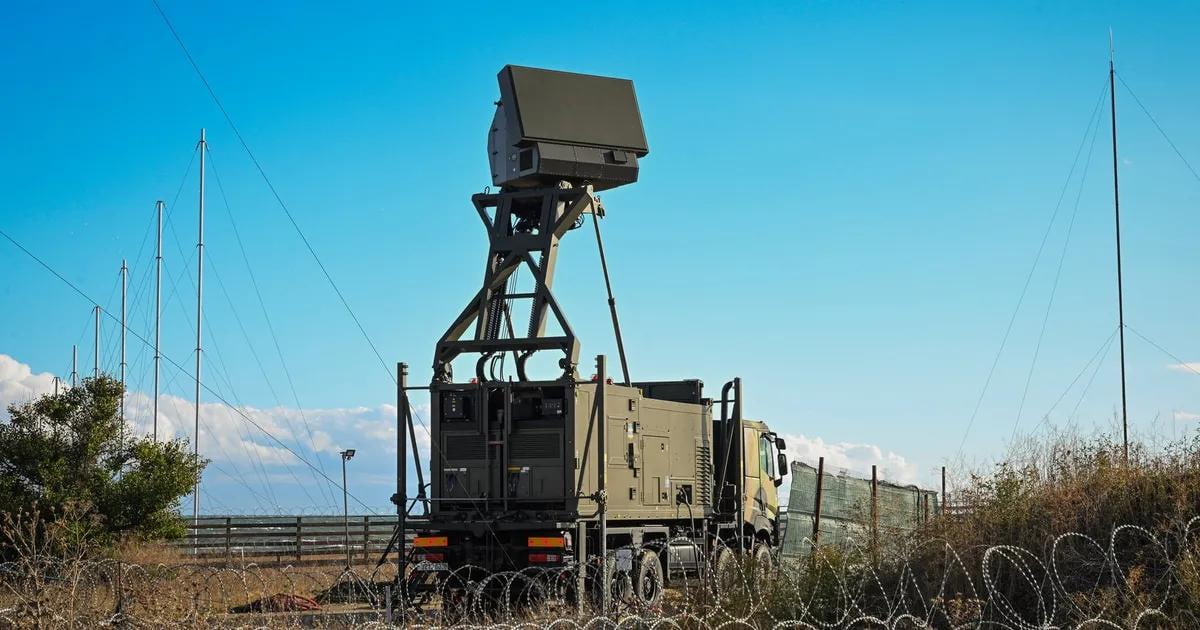
For Chișinău the lesson of 2026 is that political alignment with Brussels is necessary but not sufficient. Credible Moldova air defence, backed by radar coverage, interceptors and trained crews, is what will reassure investors, voters and the negotiators who must eventually close the accession chapters on security and foreign policy.