
The European Union’s Pact on Migration and Asylum begins to apply on 12 June, after a decade of crisis-by-crisis improvisation. Three weeks out, the official line is that implementation is “largely on track”. The fine print, and the senior officials willing to speak frankly about it, tells a tighter story.
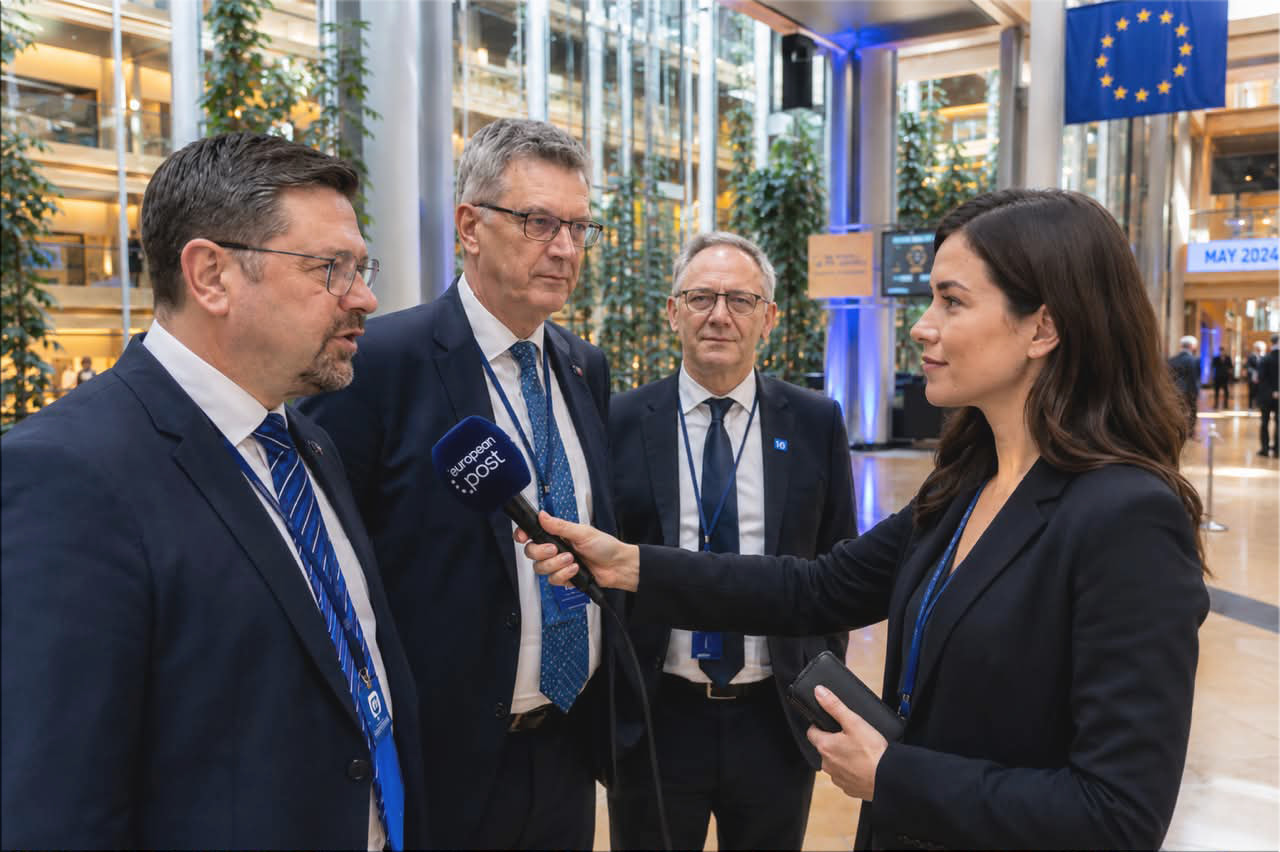
Three weeks, that is what stands between the European Union and 12 June 2026, the day the Pact on Migration and Asylum stops being a press release and starts being law in twenty-seven legal systems at once. I cornered a senior Commission source on the way out of the hemicycle this week and asked the obvious question: is it going to work?
His answer was the most honest thing I have heard in months. “It will apply,” he said, choosing the word carefully. “Whether it works in June is a different question.”
That, in a sentence, is where we are.
The Commission published its sixth implementation report on 8 May, and the official line is that things are “largely on track”. The fine print, as ever, tells a tighter story. Only eleven member states have reported that they will be fully connected to the Eurodac biometric database by the deadline. Sixteen others say they expect to get there. Fifteen have the reception facilities and staffing to run screening at the border. Eleven do not. Behind those numbers sits the difference between an arrival being identified, processed and routed through the right procedure within seven days, and the same person disappearing into the administrative fog that has defined the last decade.
Pressed on this, a second voice, an EU diplomat from a southern capital that will be on the receiving end of the solidarity pool, was less polished. “We have built the most ambitious common asylum architecture in our history,” she said, “and we are about to switch it on while half the lights in the building are still being wired.” Her arithmetic was direct: €420 million and 21,000 places, the headline figure that Greece, Italy, Spain and Cyprus will be allowed to draw against. Then she turned to everything that money cannot buy: lawyers in Nicosia, monitors in Valletta, group homes for unaccompanied minors in Athens and Brussels.
Those gaps are where the Pact will be tested first.
She is not wrong to fix on the gaps. The package bundles ten laws together, and the Eurodac connection rate is only the most measurable of them. Free legal counselling during the administrative phase of asylum procedures, which the system requires, is still unavailable in Cyprus, Greece, Hungary, Estonia, Latvia and Italy. The independent fundamental rights monitoring mechanism, designed to keep an eye on screening and border procedures, has yet to be finalised in Belgium, Hungary, Italy and Malta. Reception standards for unaccompanied minors remain a problem in Cyprus, Belgium, the Netherlands and Greece. Those gaps are where the Pact will be tested first.
A third contact turned the conversation to what the public notices: returns. He is a Council civil servant who has lived inside this file longer than most ministers, and he is not given to drama. Commissioner Magnus Brunner has spent the spring pressing cabinets on the Returns Regulation and on the readiness of the smart borders system before summer. The political appetite, he said, has moved decisively. The “return hubs” idea, processing rejected asylum-seekers outside the bloc, was eighteen months ago the kind of proposal that would have ended a career. Now it sits in Council conclusions in print, and governments are racing to get there first.
“The centre of gravity has shifted,” he said. “The question is no longer whether we do this. It is whether we do it within the law we just wrote for ourselves.”
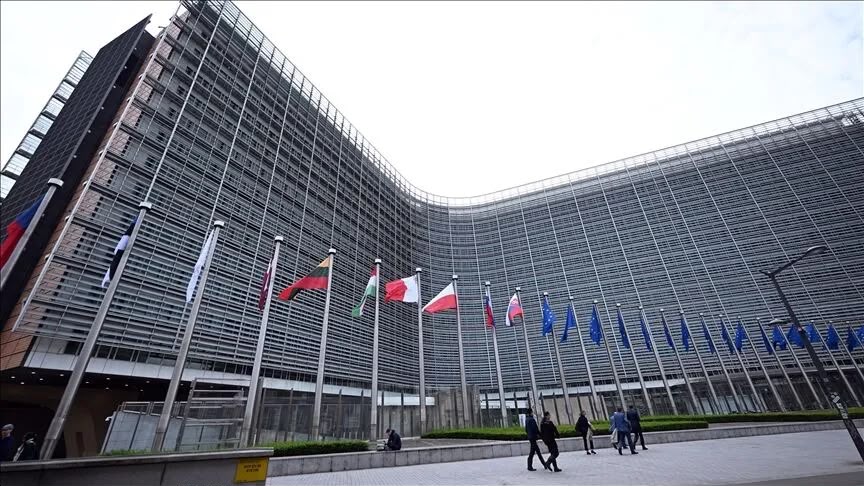
That last line deserves to be put on a plaque somewhere in the Berlaymont. The Pact was sold to MEPs and to voters as the answer to a decade of patchwork management run capital by capital, hour by hour. It was meant to replace improvisation with rules. Buried inside it, though, sits the Crisis and Force Majeure Regulation, which lets member states diverge from those obligations in cases of “crisis, instrumentalisation and force majeure”, terms the legislators declined to define with any precision. The political class wrote itself an escape hatch, and three weeks from application we still do not know who decides when to open it.
The day the Pact applies is the day, the harder argument begins.
There is a public-opinion story underneath all of this that Brussels has finally stopped pretending it cannot see. Migration has been a top-three voter concern in most member states for three years running. Hard-right governments in Rome, Budapest and increasingly The Hague have been allowed to set the tempo, and the centre has spent that period catching up. The Pact is its attempt to keep ownership of the file. Whether it succeeds will depend less on what the law says and more on whether the eleven cabinets that are not yet ready get there before the first bad week at the border.
So here is what 12 June will prove. It will not prove that the system works, only that the system exists. After a decade, that is not nothing. But the people I spoke to this week were unanimous on one point, and they did not need to be unnamed to say it: the day the Pact applies is the day the harder argument begins.
ABOUT THE AUTHOR
Anna Kovacs is the Policy Correspondent and Senior Analyst, covering migration, justice and home affairs across the EU institutions.