Nagoya: Japan’s car industry is pressing Brussels to soften the Made in Europe rules that could shut Japanese-built vehicles out of European electric vehicle support. The dispute centres on the Industrial Accelerator Act, which the European Commission proposed in March 2026 to rebuild industrial capacity across the bloc.
The draft act ties public procurement and support schemes to production inside the EU. For electric and plug-in hybrid cars, it sets a 70 percent local-content requirement. On 16 October, Germany and France agreed a joint framework that tightens these Made in Europe rules for cars to the 27 member states, leaving partners such as the United Kingdom optional.
That reading of the Made in Europe rules alarmed Tokyo. Imports from Japan and South Korea would lose access to EV subsidies and public tenders. Company-car fleets, which account for a large share of new registrations in Europe and often depend on tax incentives, are a particular concern for Japanese brands.
Prime Minister Sanae Takaichi raised the issue with Chancellor Friedrich Merz at their summit in Tokyo on 28 October. The two leaders agreed to deepen cooperation on defence, advanced technology, artificial intelligence and economic security. Takaichi nevertheless made clear that Japan expects fair treatment as a trusted partner. Trade minister Ryosei Akazawa had already said on 20 October that Japan would press the EU to revise the plan.
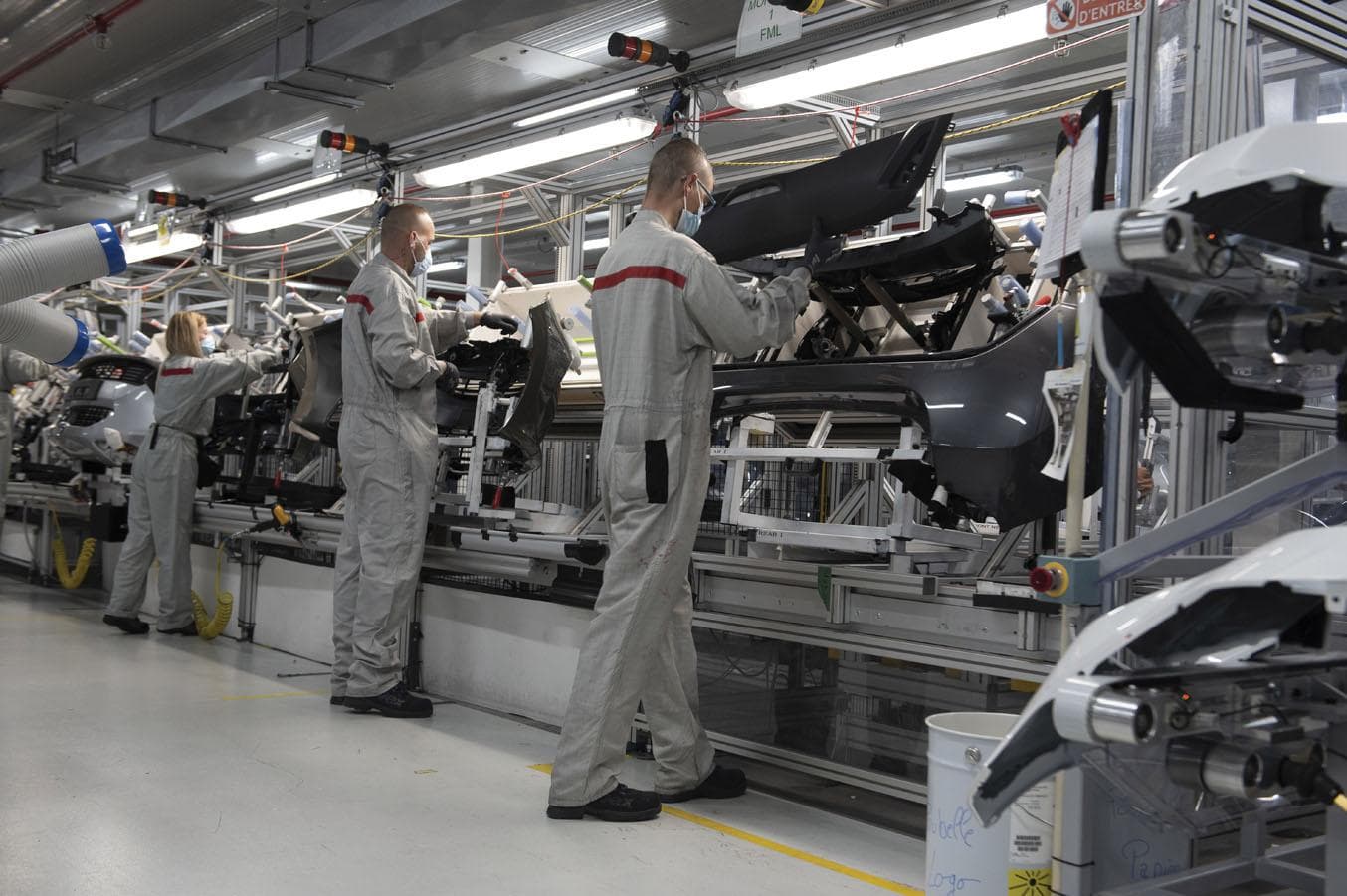
Japanese industry has built its case on investment figures. At a Strasbourg event in October, the Japan Automobile Manufacturers Association said its members run 13 production sites and 19 research centres in Europe. These operations support about 162,000 jobs and produce roughly 620,000 vehicles a year. Toyota alone reports about 12 billion euros invested and 25,000 employees in Europe.
Several MEPs have backed that argument. Adam Bielan, who chairs Parliament’s delegation for relations with Japan, said the goal should be more Japanese investment in Europe, not less. Toyota Motor Europe has also urged the EU to count Japan, Türkiye and the United Kingdom as Made in Europe for the purposes of the act.
The debate exposes a tension at the heart of EU industrial policy. Brussels designed the Made in Europe rules mainly to counter subsidised Chinese competition in batteries and electric cars. Yet a strict geographic test also hits allies with whom the EU shares an Economic Partnership Agreement and a commitment to economic security.
On the Made in Europe rules, Japanese officials reportedly see little chance of overturning the Franco-German compromise in the Council. They now aim to influence the trilogue negotiations between the Commission, Parliament and member states. Options include a trusted partner clause, reciprocity tests or credit for vehicles assembled in Europe with Japanese components.
The EU wants member states to settle their position this month, but nothing is final. The final text will show whether Brussels can protect its industrial base without alienating partners in Tokyo and Seoul. How the EU calibrates its Made in Europe rules will shape Japanese investment decisions in European car plants for the rest of the decade.