August 10, 2026
LATEST
Europe’s Air Quality Improves but WHO Limits LoomTwelve New EU Medicines Win a Green Light from EMAFIFA Agent Rules Must Answer to Europe’s CourtsTachograph Rules Now Reach Vans Crossing Europe’s BordersNature Restoration Plans Come Due as a Hard Deadline NearsBrussels Opens a State Aid Probe Into Spain’s Renewables PayoutBrussels Extends Its Tariff Suspension on US Goods IndefinitelyFarmers Win Stronger Contract Rights Across the EU Supply ChainEurope Finally Locks In Its 348-Satellite Answer to StarlinkPlatform Work Rules Face a National Scramble Before DecemberDuty-Free Parcels Reach the End of the Line for EU ShoppersAfter Nine Years, Europe and Australia Seal a Trade PactBeijing Answers Europe’s Russia Sanctions in KindOne Year On, the EU-Japan Alliance Faces Its First TestEurope’s Chip Ambitions Still Run Through Taiwan’s FabsWhy South Korea Bet Its Research Future on Europe’s ProgrammeEurope and Japan Deepen Their Economic Alliance as Rivals CircleFive Joint Defence Projects Launch Europe’s Military ShieldElectrification Plan Aims to Make Europe First Electro ContinentHorizon Europe Budget Fight Heats Up as Ministers Push BackEurope’s Air Quality Improves but WHO Limits LoomTwelve New EU Medicines Win a Green Light from EMAFIFA Agent Rules Must Answer to Europe’s CourtsTachograph Rules Now Reach Vans Crossing Europe’s BordersNature Restoration Plans Come Due as a Hard Deadline NearsBrussels Opens a State Aid Probe Into Spain’s Renewables PayoutBrussels Extends Its Tariff Suspension on US Goods IndefinitelyFarmers Win Stronger Contract Rights Across the EU Supply ChainEurope Finally Locks In Its 348-Satellite Answer to StarlinkPlatform Work Rules Face a National Scramble Before DecemberDuty-Free Parcels Reach the End of the Line for EU ShoppersAfter Nine Years, Europe and Australia Seal a Trade PactBeijing Answers Europe’s Russia Sanctions in KindOne Year On, the EU-Japan Alliance Faces Its First TestEurope’s Chip Ambitions Still Run Through Taiwan’s FabsWhy South Korea Bet Its Research Future on Europe’s ProgrammeEurope and Japan Deepen Their Economic Alliance as Rivals CircleFive Joint Defence Projects Launch Europe’s Military ShieldElectrification Plan Aims to Make Europe First Electro ContinentHorizon Europe Budget Fight Heats Up as Ministers Push Back
August 10, 2026
LATEST
Europe’s Air Quality Improves but WHO Limits LoomTwelve New EU Medicines Win a Green Light from EMAFIFA Agent Rules Must Answer to Europe’s CourtsTachograph Rules Now Reach Vans Crossing Europe’s BordersNature Restoration Plans Come Due as a Hard Deadline NearsBrussels Opens a State Aid Probe Into Spain’s Renewables PayoutBrussels Extends Its Tariff Suspension on US Goods IndefinitelyFarmers Win Stronger Contract Rights Across the EU Supply ChainEurope Finally Locks In Its 348-Satellite Answer to StarlinkPlatform Work Rules Face a National Scramble Before DecemberDuty-Free Parcels Reach the End of the Line for EU ShoppersAfter Nine Years, Europe and Australia Seal a Trade PactBeijing Answers Europe’s Russia Sanctions in KindOne Year On, the EU-Japan Alliance Faces Its First TestEurope’s Chip Ambitions Still Run Through Taiwan’s FabsWhy South Korea Bet Its Research Future on Europe’s ProgrammeEurope and Japan Deepen Their Economic Alliance as Rivals CircleFive Joint Defence Projects Launch Europe’s Military ShieldElectrification Plan Aims to Make Europe First Electro ContinentHorizon Europe Budget Fight Heats Up as Ministers Push BackEurope’s Air Quality Improves but WHO Limits LoomTwelve New EU Medicines Win a Green Light from EMAFIFA Agent Rules Must Answer to Europe’s CourtsTachograph Rules Now Reach Vans Crossing Europe’s BordersNature Restoration Plans Come Due as a Hard Deadline NearsBrussels Opens a State Aid Probe Into Spain’s Renewables PayoutBrussels Extends Its Tariff Suspension on US Goods IndefinitelyFarmers Win Stronger Contract Rights Across the EU Supply ChainEurope Finally Locks In Its 348-Satellite Answer to StarlinkPlatform Work Rules Face a National Scramble Before DecemberDuty-Free Parcels Reach the End of the Line for EU ShoppersAfter Nine Years, Europe and Australia Seal a Trade PactBeijing Answers Europe’s Russia Sanctions in KindOne Year On, the EU-Japan Alliance Faces Its First TestEurope’s Chip Ambitions Still Run Through Taiwan’s FabsWhy South Korea Bet Its Research Future on Europe’s ProgrammeEurope and Japan Deepen Their Economic Alliance as Rivals CircleFive Joint Defence Projects Launch Europe’s Military ShieldElectrification Plan Aims to Make Europe First Electro ContinentHorizon Europe Budget Fight Heats Up as Ministers Push Back

OPEKEPE Subsidy Probe Snares Twenty More After Crete Sweep

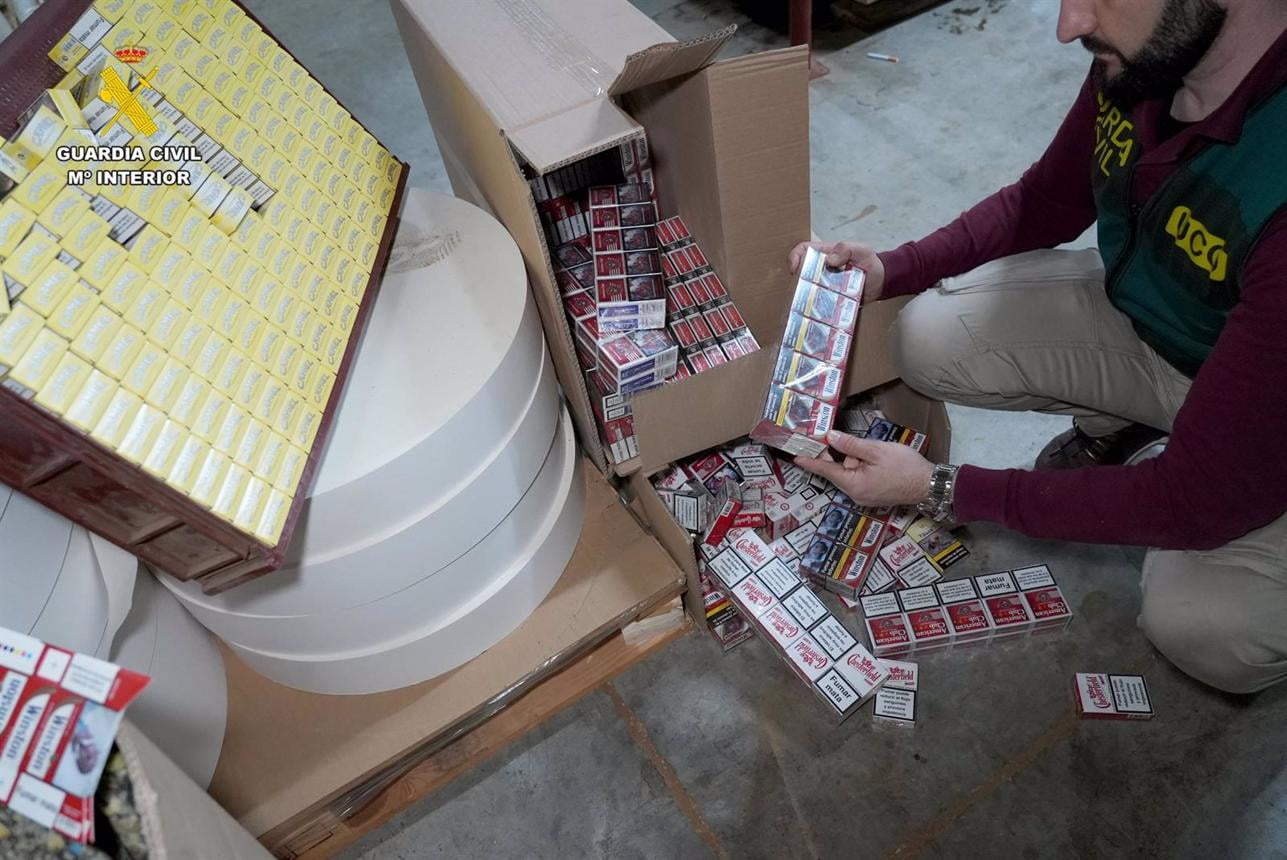
Athens: The European Public Prosecutor’s Office hauled twenty more suspects through its Athens office on 27 May in connection with the OPEKEPE agricultural subsidy fraud probe, lengthening a case that has come to symbolise the EU’s expanding appetite for going after misused common agricultural policy money. The arrests followed an operation conducted on 25 May, two days earlier, with police investigators executing warrants linked to subsidies routed through the Greek paying agency for direct CAP support. Prosecutors in Athens told reporters the alleged illegal proceeds in this segment of the investigation exceed three million euro, a comparatively modest sum that disguises a structural pattern the office says has affected pasture and grazing-land subsidy claims across multiple regional units, with Crete as the geographic centre.

OPEKEPE is the Greek acronym for the country’s paying agency for guarantee and rural development funds. The agency channels billions in EU direct payments and rural development support each year, with the legacy challenge of validating land claims in a fragmented agricultural geography. The Office has been opening case files on the OPEKEPE perimeter since it became operational in 2021, and the Athens caseload has grown faster than most of the agency’s national delegations. The May arrests fold into a broader investigation that has reached into local administration, with elected officials in Cretan municipalities among those who have appeared before investigators in earlier waves.

The mechanic the prosecutors describe is familiar from CAP fraud literature but rarely seen at this concentration. Suspects allegedly submitted pasture and grazing-land claims for parcels they did not control, or for areas whose eligibility under direct payment rules they had no entitlement to declare. Once the claims passed initial automated checks, the subsidy disbursements moved through the OPEKEPE pipeline and were collected by intermediaries, with the funds redirected through corporate vehicles that masked the original beneficiary. The EU’s geospatial aid application system has caught many such schemes earlier in the cycle, but the OPEKEPE caseload pre-dates the most recent verification upgrades, and the case has rolled forward through documentation rather than through real-time spotting.

The Greek strand has political weight beyond its euro figure. Annual reports from the Office have argued for several years running that CAP fraud is structurally easier to commit than other forms of EU funds misuse, because the payment pipelines are denser, the eligibility logic richer in exceptions, and the geographic monitoring stack uneven across Member States. Reform proposals tabled inside AGRI Council working parties have circled around digitising the dossier checks, harmonising land-parcel registers and obliging real-time data exchange between paying agencies. The Commission’s recent simplification omnibus, while focused on cutting red tape for compliant farmers, also tightens several of the verification handles the OPEKEPE case has exposed.

Twenty-two suspects had already been brought into the case in earlier waves, with the May 27 group adding fresh names but, according to office statements, no senior public officials beyond those previously named. The Athens office has not signalled when the investigation will close or whether it will move to indictment phase before the end of the year. For policymakers, the case offers grist for the larger conversation about how the post-2027 CAP architecture will integrate anti-fraud controls. The preferred answer from the prosecutors is straightforward. The more digitised the eligibility checks, the smaller the room for the pattern the OPEKEPE files keep documenting.