August 10, 2026
LATEST
Europe’s Air Quality Improves but WHO Limits LoomTwelve New EU Medicines Win a Green Light from EMAFIFA Agent Rules Must Answer to Europe’s CourtsTachograph Rules Now Reach Vans Crossing Europe’s BordersNature Restoration Plans Come Due as a Hard Deadline NearsBrussels Opens a State Aid Probe Into Spain’s Renewables PayoutBrussels Extends Its Tariff Suspension on US Goods IndefinitelyFarmers Win Stronger Contract Rights Across the EU Supply ChainEurope Finally Locks In Its 348-Satellite Answer to StarlinkPlatform Work Rules Face a National Scramble Before DecemberDuty-Free Parcels Reach the End of the Line for EU ShoppersAfter Nine Years, Europe and Australia Seal a Trade PactBeijing Answers Europe’s Russia Sanctions in KindOne Year On, the EU-Japan Alliance Faces Its First TestEurope’s Chip Ambitions Still Run Through Taiwan’s FabsWhy South Korea Bet Its Research Future on Europe’s ProgrammeEurope and Japan Deepen Their Economic Alliance as Rivals CircleFive Joint Defence Projects Launch Europe’s Military ShieldElectrification Plan Aims to Make Europe First Electro ContinentHorizon Europe Budget Fight Heats Up as Ministers Push BackEurope’s Air Quality Improves but WHO Limits LoomTwelve New EU Medicines Win a Green Light from EMAFIFA Agent Rules Must Answer to Europe’s CourtsTachograph Rules Now Reach Vans Crossing Europe’s BordersNature Restoration Plans Come Due as a Hard Deadline NearsBrussels Opens a State Aid Probe Into Spain’s Renewables PayoutBrussels Extends Its Tariff Suspension on US Goods IndefinitelyFarmers Win Stronger Contract Rights Across the EU Supply ChainEurope Finally Locks In Its 348-Satellite Answer to StarlinkPlatform Work Rules Face a National Scramble Before DecemberDuty-Free Parcels Reach the End of the Line for EU ShoppersAfter Nine Years, Europe and Australia Seal a Trade PactBeijing Answers Europe’s Russia Sanctions in KindOne Year On, the EU-Japan Alliance Faces Its First TestEurope’s Chip Ambitions Still Run Through Taiwan’s FabsWhy South Korea Bet Its Research Future on Europe’s ProgrammeEurope and Japan Deepen Their Economic Alliance as Rivals CircleFive Joint Defence Projects Launch Europe’s Military ShieldElectrification Plan Aims to Make Europe First Electro ContinentHorizon Europe Budget Fight Heats Up as Ministers Push Back
August 10, 2026
LATEST
Europe’s Air Quality Improves but WHO Limits LoomTwelve New EU Medicines Win a Green Light from EMAFIFA Agent Rules Must Answer to Europe’s CourtsTachograph Rules Now Reach Vans Crossing Europe’s BordersNature Restoration Plans Come Due as a Hard Deadline NearsBrussels Opens a State Aid Probe Into Spain’s Renewables PayoutBrussels Extends Its Tariff Suspension on US Goods IndefinitelyFarmers Win Stronger Contract Rights Across the EU Supply ChainEurope Finally Locks In Its 348-Satellite Answer to StarlinkPlatform Work Rules Face a National Scramble Before DecemberDuty-Free Parcels Reach the End of the Line for EU ShoppersAfter Nine Years, Europe and Australia Seal a Trade PactBeijing Answers Europe’s Russia Sanctions in KindOne Year On, the EU-Japan Alliance Faces Its First TestEurope’s Chip Ambitions Still Run Through Taiwan’s FabsWhy South Korea Bet Its Research Future on Europe’s ProgrammeEurope and Japan Deepen Their Economic Alliance as Rivals CircleFive Joint Defence Projects Launch Europe’s Military ShieldElectrification Plan Aims to Make Europe First Electro ContinentHorizon Europe Budget Fight Heats Up as Ministers Push BackEurope’s Air Quality Improves but WHO Limits LoomTwelve New EU Medicines Win a Green Light from EMAFIFA Agent Rules Must Answer to Europe’s CourtsTachograph Rules Now Reach Vans Crossing Europe’s BordersNature Restoration Plans Come Due as a Hard Deadline NearsBrussels Opens a State Aid Probe Into Spain’s Renewables PayoutBrussels Extends Its Tariff Suspension on US Goods IndefinitelyFarmers Win Stronger Contract Rights Across the EU Supply ChainEurope Finally Locks In Its 348-Satellite Answer to StarlinkPlatform Work Rules Face a National Scramble Before DecemberDuty-Free Parcels Reach the End of the Line for EU ShoppersAfter Nine Years, Europe and Australia Seal a Trade PactBeijing Answers Europe’s Russia Sanctions in KindOne Year On, the EU-Japan Alliance Faces Its First TestEurope’s Chip Ambitions Still Run Through Taiwan’s FabsWhy South Korea Bet Its Research Future on Europe’s ProgrammeEurope and Japan Deepen Their Economic Alliance as Rivals CircleFive Joint Defence Projects Launch Europe’s Military ShieldElectrification Plan Aims to Make Europe First Electro ContinentHorizon Europe Budget Fight Heats Up as Ministers Push Back

Organic Farmers Stand To Save Millions Under Simpler Rules

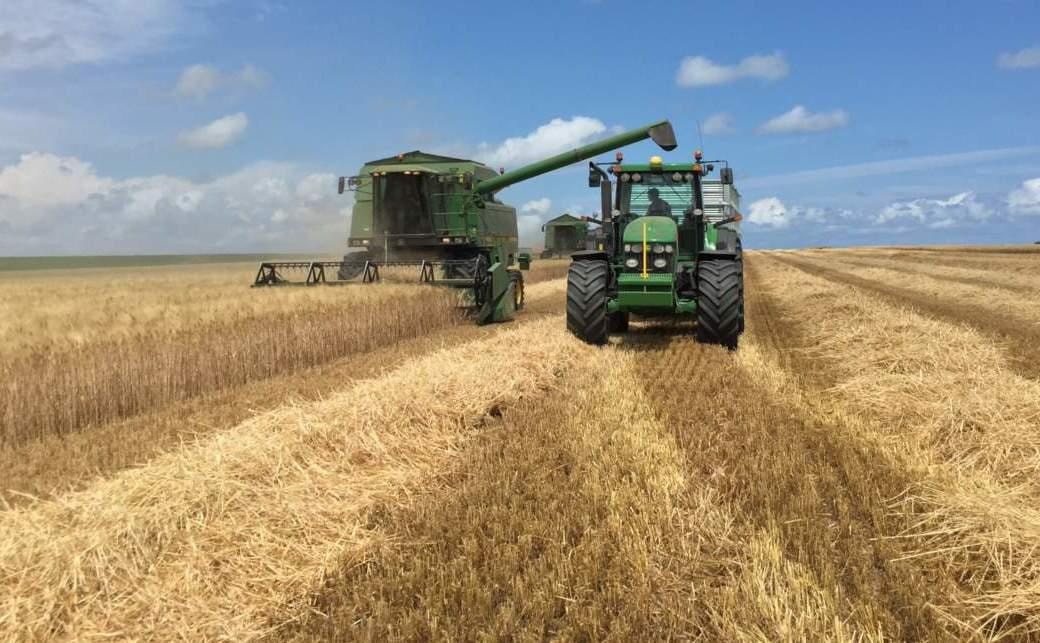
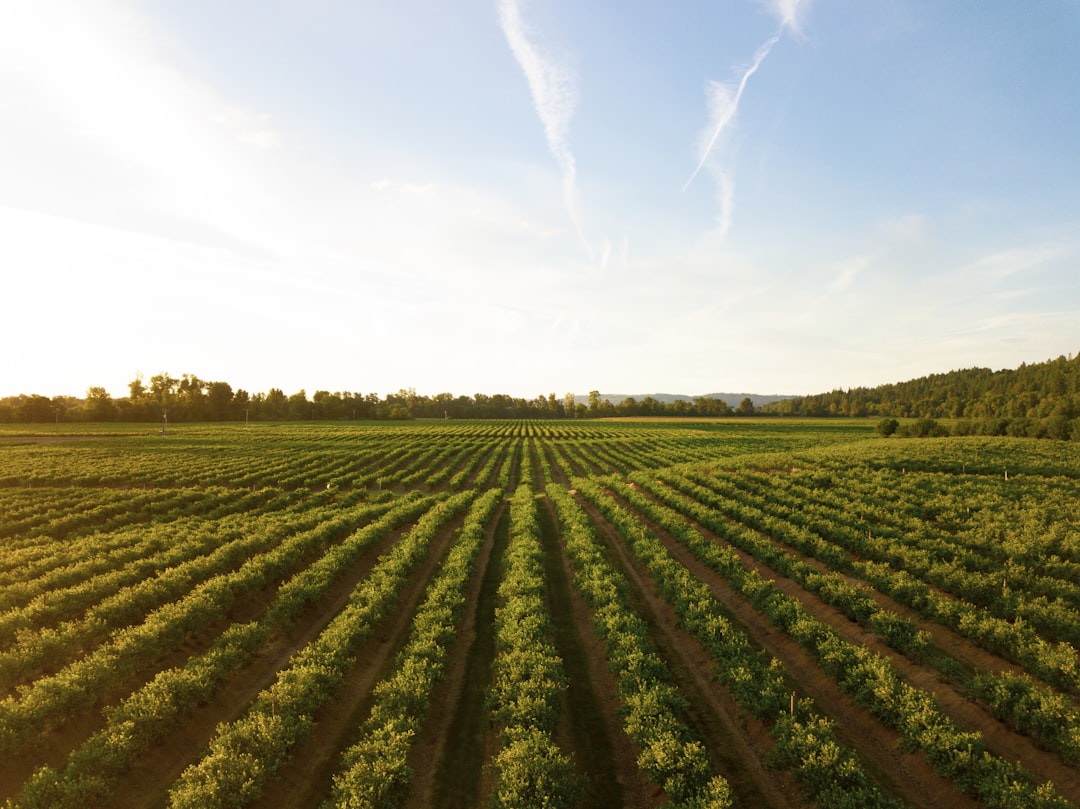
Graz: In the rolling pastures of Styria, where organic production has spread faster than in almost any other corner of Europe, small growers have long complained that the paperwork demanded of them bears little relation to the size of their farms. A reform now moving through the EU’s legislative machinery promises to ease that burden, and the numbers attached to it are not trivial.

On 11 May, representatives of member-state governments meeting in the Special Committee on Agriculture agreed a common negotiating position on updating the bloc’s rules for organic production and labelling. The stated aim is to make the regime simpler to follow and clearer to interpret while sustaining the steady expansion of the organic sector. The Council estimates the changes would cut direct administrative costs by €47.8 million a year — €45.9 million in savings for farmers and other operators, and a further €1.9 million for the administrations that oversee them.

Much of the relief is targeted at the smallest players. The Council wants to simplify the rules for small operators through exemptions from certification and adjustments to turnover thresholds, on the logic that the cost of compliance falls hardest on those least able to absorb it. Small online retailers selling pre-packed organic products would, under certain conditions, be exempt from certification altogether — a recognition that the existing framework was written before e-commerce reshaped how organic goods reach consumers.

The position also tackles the thorny question of imports and labelling. Products arriving from countries whose organic systems are recognised as equivalent to the EU’s would still be able to describe themselves as organic and to carry their own national organic logo. But they could not use the EU’s own organic logo unless they meet additional requirements — on living soil, animal welfare and processing methods, among others — that go beyond mere equivalence. The distinction is intended to protect the value of the EU label without slamming the door on imported goods.

Trade continuity is another priority. The organic rules of eleven non-EU countries, including Argentina, Canada, New Zealand and the United States, are currently recognised as equivalent to EU standards, but that recognition is set to expire on 31 December 2026. To avoid an abrupt disruption to organic trade, the Council proposes extending it by a full decade, to the end of 2036, giving exporters and importers a long runway of legal certainty.

The agreement is a negotiating mandate, not a finished law. Talks between the Council presidency and the European Parliament are expected to begin as soon as possible, and the institutions are aiming to reach a deal before the end of the year — partly so that the third-country recognition can be extended in time. Should they succeed, the practical effect for a Styrian smallholder or a Spanish exporter would be fewer forms, clearer labels and a regime that, for once, scales with the size of the operation rather than against it. For a sector that has grown on the strength of consumer trust, the test will be whether simpler rules can be achieved without diluting the standards that built that trust in the first place.