August 11, 2026
LATEST
Rail Passengers Win Full Rights on Multi-Leg TripsEuropean Universities Face a Budget and Reform TestTobacco Rules Face a Sweeping Reset as Vaping SurgesRiyadh Summit Tests Europe’s New Bet on the GulfEurope Pours Millions Into a Sudan Crisis It Cannot ReachBrussels Braces for a Bruising Fight Over Its New Space Act RulesEurope Pushes Households To Turn Savings Into Investment PowerCohesion Funds Pivot Toward Defence and Housing in Big RewireGas Customers Win Free Choice of Supplier Under New EU RulesEuro Inflation Hits 2.9% and Revives the Case for Rate RisesNearly 600 Million in EU Funds Flagged for Recovery by OLAFDigital VAT Overhaul Enters Its Operational Phase Across EuropeEurope’s Migration Pact Starts to Bite as Solidarity Rules ApplyData Flows Now Bind New Zealand Closer to EuropeBeijing’s Magnet Curbs Put Europe’s Factories on NoticeEurope Struggles to Make Its North Korea Sanctions BiteA Green Shipping Corridor Links Korea and EuropeEurope Retires Its China EV Tariffs for a Fragile Price FloorWhy Tokyo Has Become Europe’s Closest Security Partner in AsiaAir Passenger Rights Get Their First Overhaul in Two DecadesRail Passengers Win Full Rights on Multi-Leg TripsEuropean Universities Face a Budget and Reform TestTobacco Rules Face a Sweeping Reset as Vaping SurgesRiyadh Summit Tests Europe’s New Bet on the GulfEurope Pours Millions Into a Sudan Crisis It Cannot ReachBrussels Braces for a Bruising Fight Over Its New Space Act RulesEurope Pushes Households To Turn Savings Into Investment PowerCohesion Funds Pivot Toward Defence and Housing in Big RewireGas Customers Win Free Choice of Supplier Under New EU RulesEuro Inflation Hits 2.9% and Revives the Case for Rate RisesNearly 600 Million in EU Funds Flagged for Recovery by OLAFDigital VAT Overhaul Enters Its Operational Phase Across EuropeEurope’s Migration Pact Starts to Bite as Solidarity Rules ApplyData Flows Now Bind New Zealand Closer to EuropeBeijing’s Magnet Curbs Put Europe’s Factories on NoticeEurope Struggles to Make Its North Korea Sanctions BiteA Green Shipping Corridor Links Korea and EuropeEurope Retires Its China EV Tariffs for a Fragile Price FloorWhy Tokyo Has Become Europe’s Closest Security Partner in AsiaAir Passenger Rights Get Their First Overhaul in Two Decades
August 11, 2026
LATEST
Rail Passengers Win Full Rights on Multi-Leg TripsEuropean Universities Face a Budget and Reform TestTobacco Rules Face a Sweeping Reset as Vaping SurgesRiyadh Summit Tests Europe’s New Bet on the GulfEurope Pours Millions Into a Sudan Crisis It Cannot ReachBrussels Braces for a Bruising Fight Over Its New Space Act RulesEurope Pushes Households To Turn Savings Into Investment PowerCohesion Funds Pivot Toward Defence and Housing in Big RewireGas Customers Win Free Choice of Supplier Under New EU RulesEuro Inflation Hits 2.9% and Revives the Case for Rate RisesNearly 600 Million in EU Funds Flagged for Recovery by OLAFDigital VAT Overhaul Enters Its Operational Phase Across EuropeEurope’s Migration Pact Starts to Bite as Solidarity Rules ApplyData Flows Now Bind New Zealand Closer to EuropeBeijing’s Magnet Curbs Put Europe’s Factories on NoticeEurope Struggles to Make Its North Korea Sanctions BiteA Green Shipping Corridor Links Korea and EuropeEurope Retires Its China EV Tariffs for a Fragile Price FloorWhy Tokyo Has Become Europe’s Closest Security Partner in AsiaAir Passenger Rights Get Their First Overhaul in Two DecadesRail Passengers Win Full Rights on Multi-Leg TripsEuropean Universities Face a Budget and Reform TestTobacco Rules Face a Sweeping Reset as Vaping SurgesRiyadh Summit Tests Europe’s New Bet on the GulfEurope Pours Millions Into a Sudan Crisis It Cannot ReachBrussels Braces for a Bruising Fight Over Its New Space Act RulesEurope Pushes Households To Turn Savings Into Investment PowerCohesion Funds Pivot Toward Defence and Housing in Big RewireGas Customers Win Free Choice of Supplier Under New EU RulesEuro Inflation Hits 2.9% and Revives the Case for Rate RisesNearly 600 Million in EU Funds Flagged for Recovery by OLAFDigital VAT Overhaul Enters Its Operational Phase Across EuropeEurope’s Migration Pact Starts to Bite as Solidarity Rules ApplyData Flows Now Bind New Zealand Closer to EuropeBeijing’s Magnet Curbs Put Europe’s Factories on NoticeEurope Struggles to Make Its North Korea Sanctions BiteA Green Shipping Corridor Links Korea and EuropeEurope Retires Its China EV Tariffs for a Fragile Price FloorWhy Tokyo Has Become Europe’s Closest Security Partner in AsiaAir Passenger Rights Get Their First Overhaul in Two Decades

Booking One Train Ticket Across Europe Edges Closer To Reality

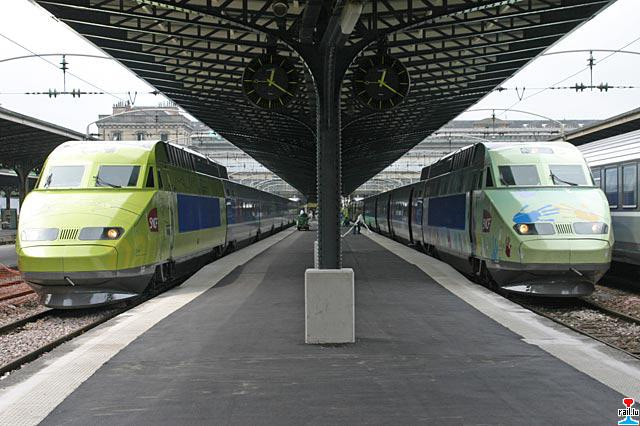
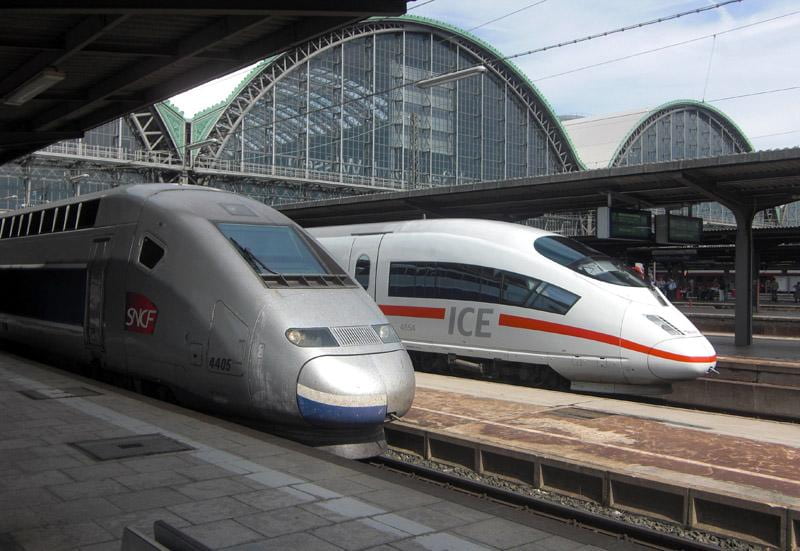
Lyon: Anyone who has tried to cross the continent by rail knows the quiet absurdity of the current system. A single journey that passes through three countries can require three separate bookings on three separate websites, each with its own rules, and a missed connection caused by a late first train often leaves the passenger with no protection at all on the second. A proposal the Commission set out in mid-May aims to dismantle that fragmentation, promising what it calls one journey, one ticket and full rights.

At the centre of the plan is the through-ticket, a single booking that combines services from different rail operators into one purchase. Today the technical and commercial barriers to such tickets are formidable. Operators guard their fare data, booking platforms cannot always see each other’s services, and there is no shared framework for who bears responsibility when a chain of trains breaks down. The Commission wants to open up access to that data so that ticketing platforms can find, compare and sell combined journeys, turning a patchwork of national systems into something closer to the seamless experience travellers already expect from aviation.

The passenger-rights dimension is where the proposal bites hardest. Under the current rules, the protections a traveller enjoys, the right to assistance, rerouting or compensation when things go wrong, can evaporate at a border or between operators, precisely the moments when journeys are most likely to fail. The new framework would attach those rights to the journey as a whole rather than to each leg, so a passenger holding a single through-ticket would be looked after even if the disruption began with another company’s delayed service. For the traveller it removes the cruel logic by which the railway disclaims responsibility at the very point of failure.

The motivation is not only convenience. The Union has staked much of its transport decarbonisation strategy on persuading people out of short-haul flights and onto trains, and the friction of cross-border booking is one of the most cited reasons travellers do not make that switch. If a Berlin-to-Barcelona trip can be bought as easily and as confidently as a flight, the climate case for rail stops being an act of faith and becomes a practical choice. The proposal is therefore as much an environmental instrument as a consumer one.

Resistance is likely to come from incumbent operators wary of surrendering control over their fare data and their direct relationship with customers. National rail companies have built lucrative booking channels and may see open access as an erosion of their commercial advantage. The Commission’s task will be to convince them, and the member states that often own them, that a larger overall market for rail travel outweighs the loss of a captive one.

The text now begins its journey through the Parliament and the Council, where the details of data access and liability will be fought over clause by clause. Past efforts to harmonise rail ticketing have foundered on exactly these points. Whether this attempt fares better will determine if the promise of a single European ticket finally leaves the platform.