August 10, 2026
LATEST
Europe Courts Central Asia to Break Its Reliance on Russian TransitMercosur Deal Takes Effect in Limbo as Judges Weigh Its FateEurope’s Air Quality Improves but WHO Limits LoomTwelve New EU Medicines Win a Green Light from EMAFIFA Agent Rules Must Answer to Europe’s CourtsTachograph Rules Now Reach Vans Crossing Europe’s BordersNature Restoration Plans Come Due as a Hard Deadline NearsBrussels Opens a State Aid Probe Into Spain’s Renewables PayoutBrussels Extends Its Tariff Suspension on US Goods IndefinitelyFarmers Win Stronger Contract Rights Across the EU Supply ChainEurope Finally Locks In Its 348-Satellite Answer to StarlinkPlatform Work Rules Face a National Scramble Before DecemberDuty-Free Parcels Reach the End of the Line for EU ShoppersAfter Nine Years, Europe and Australia Seal a Trade PactBeijing Answers Europe’s Russia Sanctions in KindOne Year On, the EU-Japan Alliance Faces Its First TestEurope’s Chip Ambitions Still Run Through Taiwan’s FabsWhy South Korea Bet Its Research Future on Europe’s ProgrammeEurope and Japan Deepen Their Economic Alliance as Rivals CircleFive Joint Defence Projects Launch Europe’s Military ShieldEurope Courts Central Asia to Break Its Reliance on Russian TransitMercosur Deal Takes Effect in Limbo as Judges Weigh Its FateEurope’s Air Quality Improves but WHO Limits LoomTwelve New EU Medicines Win a Green Light from EMAFIFA Agent Rules Must Answer to Europe’s CourtsTachograph Rules Now Reach Vans Crossing Europe’s BordersNature Restoration Plans Come Due as a Hard Deadline NearsBrussels Opens a State Aid Probe Into Spain’s Renewables PayoutBrussels Extends Its Tariff Suspension on US Goods IndefinitelyFarmers Win Stronger Contract Rights Across the EU Supply ChainEurope Finally Locks In Its 348-Satellite Answer to StarlinkPlatform Work Rules Face a National Scramble Before DecemberDuty-Free Parcels Reach the End of the Line for EU ShoppersAfter Nine Years, Europe and Australia Seal a Trade PactBeijing Answers Europe’s Russia Sanctions in KindOne Year On, the EU-Japan Alliance Faces Its First TestEurope’s Chip Ambitions Still Run Through Taiwan’s FabsWhy South Korea Bet Its Research Future on Europe’s ProgrammeEurope and Japan Deepen Their Economic Alliance as Rivals CircleFive Joint Defence Projects Launch Europe’s Military Shield
August 10, 2026
LATEST
Europe Courts Central Asia to Break Its Reliance on Russian TransitMercosur Deal Takes Effect in Limbo as Judges Weigh Its FateEurope’s Air Quality Improves but WHO Limits LoomTwelve New EU Medicines Win a Green Light from EMAFIFA Agent Rules Must Answer to Europe’s CourtsTachograph Rules Now Reach Vans Crossing Europe’s BordersNature Restoration Plans Come Due as a Hard Deadline NearsBrussels Opens a State Aid Probe Into Spain’s Renewables PayoutBrussels Extends Its Tariff Suspension on US Goods IndefinitelyFarmers Win Stronger Contract Rights Across the EU Supply ChainEurope Finally Locks In Its 348-Satellite Answer to StarlinkPlatform Work Rules Face a National Scramble Before DecemberDuty-Free Parcels Reach the End of the Line for EU ShoppersAfter Nine Years, Europe and Australia Seal a Trade PactBeijing Answers Europe’s Russia Sanctions in KindOne Year On, the EU-Japan Alliance Faces Its First TestEurope’s Chip Ambitions Still Run Through Taiwan’s FabsWhy South Korea Bet Its Research Future on Europe’s ProgrammeEurope and Japan Deepen Their Economic Alliance as Rivals CircleFive Joint Defence Projects Launch Europe’s Military ShieldEurope Courts Central Asia to Break Its Reliance on Russian TransitMercosur Deal Takes Effect in Limbo as Judges Weigh Its FateEurope’s Air Quality Improves but WHO Limits LoomTwelve New EU Medicines Win a Green Light from EMAFIFA Agent Rules Must Answer to Europe’s CourtsTachograph Rules Now Reach Vans Crossing Europe’s BordersNature Restoration Plans Come Due as a Hard Deadline NearsBrussels Opens a State Aid Probe Into Spain’s Renewables PayoutBrussels Extends Its Tariff Suspension on US Goods IndefinitelyFarmers Win Stronger Contract Rights Across the EU Supply ChainEurope Finally Locks In Its 348-Satellite Answer to StarlinkPlatform Work Rules Face a National Scramble Before DecemberDuty-Free Parcels Reach the End of the Line for EU ShoppersAfter Nine Years, Europe and Australia Seal a Trade PactBeijing Answers Europe’s Russia Sanctions in KindOne Year On, the EU-Japan Alliance Faces Its First TestEurope’s Chip Ambitions Still Run Through Taiwan’s FabsWhy South Korea Bet Its Research Future on Europe’s ProgrammeEurope and Japan Deepen Their Economic Alliance as Rivals CircleFive Joint Defence Projects Launch Europe’s Military Shield

Must Every EU Country Recognise A Gender Change Granted Abroad

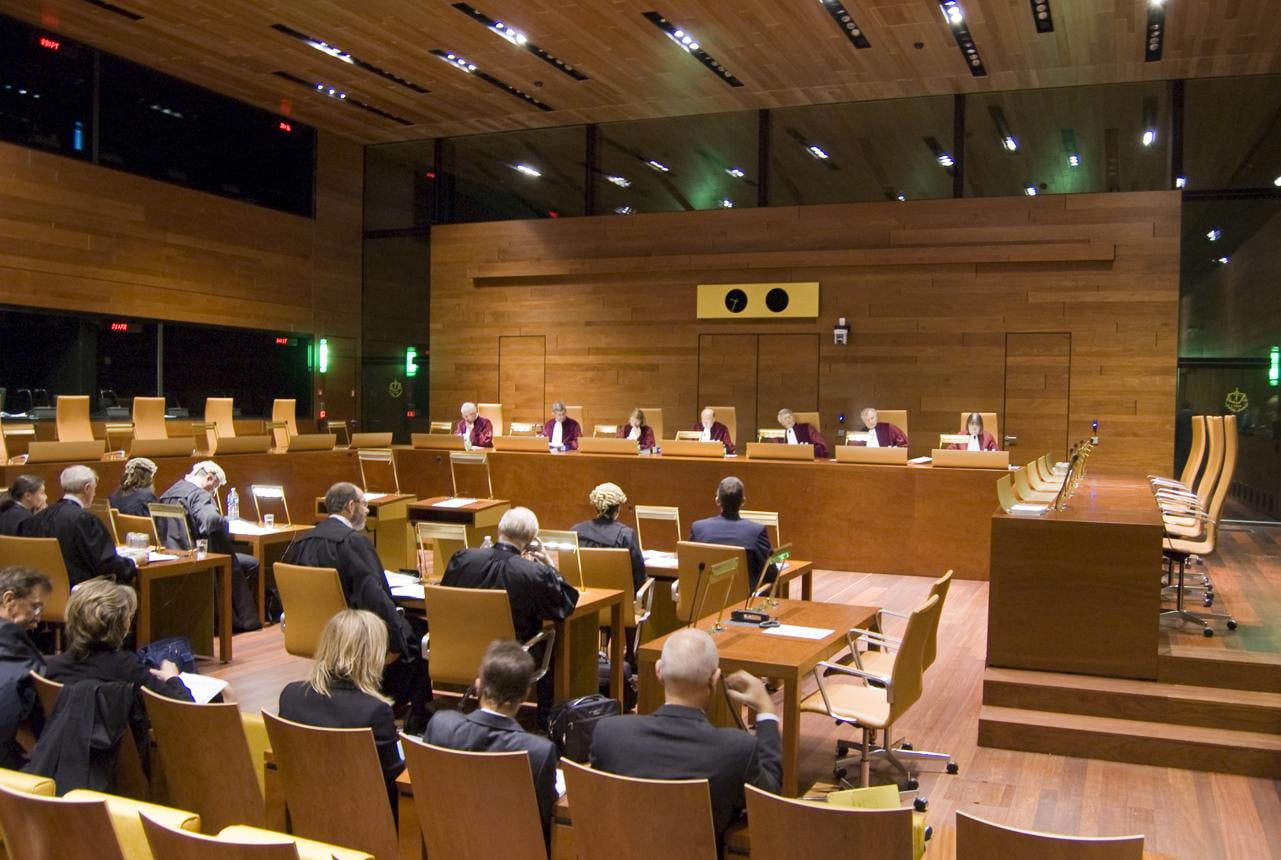
Plovdiv: A ruling from the Court of Justice has handed the Union one of its more consequential answers on what free movement actually obliges a member state to do. The judges held that a country which offers its citizens no functioning route to legal gender recognition cannot simply ignore a change of gender that one of its nationals lawfully obtained while living in another member state. The absence of any such procedure, the Court found, is incompatible with the Treaties’ guarantee of free movement and with the Charter’s protection of private and family life.

The reasoning rests on a principle the Court has built up case by case over the past decade, far from the politics of identity. When a citizen exercises the right to move and reside elsewhere in the Union, the legal status they acquire there should travel home with them. The Court applied that logic to surnames established abroad and to marriages contracted abroad, and it has now applied it to a recorded gender. A person who is one identity on the documents of the country where they built their life, and another on the documents of the country where they hold citizenship, is left in a contradiction that frustrates the very mobility the Treaties promise.

What makes the judgment land heavily is that it reaches countries which have no domestic recognition process at all. Several member states still lack a clear legal pathway, leaving the question to ad hoc court decisions or to nothing. For them, the ruling is not a tweak but an instruction, a mechanism must exist, at least for citizens returning with a status conferred elsewhere. National parliaments that had avoided the subject now face a deadline set not by their own politics but by Luxembourg.

The Court was careful about the limits of what it decided. It did not dictate the substantive conditions a country may attach to recognition for people who never left, nor did it sweep away every national safeguard. Its holding is anchored in cross-border movement, the territory where Union law is at its strongest. Yet the practical gravity is hard to confine to that frame. Once a state must honour a gender change validly made in another member state, maintaining a total domestic void becomes legally precarious and administratively absurd.

The decision also illustrates a recurring feature of European integration, in which rights expand less through grand legislation that capitals could veto than through the quiet accumulation of judgments interpreting freedoms everyone already signed up to. Free movement, conceived as an economic guarantee for workers and goods, keeps proving capacious enough to carry questions of personal status its drafters never debated. Critics see judicial overreach into matters that belong to national legislatures and electorates, while defenders see a court doing exactly its job, which is to stop one member state’s silence from dissolving rights a citizen lawfully gained in another.

For the individuals at the centre of these cases, the abstraction falls away. The ruling means that a passport, an identity card and a civil register entry can finally agree with one another across a border. For the governments still without a procedure, it means the long deferral is over, and that the design of a recognition process, however they choose to draw it, is no longer optional.