August 10, 2026
LATEST
Europe’s Air Quality Improves but WHO Limits LoomTwelve New EU Medicines Win a Green Light from EMAFIFA Agent Rules Must Answer to Europe’s CourtsTachograph Rules Now Reach Vans Crossing Europe’s BordersNature Restoration Plans Come Due as a Hard Deadline NearsBrussels Opens a State Aid Probe Into Spain’s Renewables PayoutBrussels Extends Its Tariff Suspension on US Goods IndefinitelyFarmers Win Stronger Contract Rights Across the EU Supply ChainEurope Finally Locks In Its 348-Satellite Answer to StarlinkPlatform Work Rules Face a National Scramble Before DecemberDuty-Free Parcels Reach the End of the Line for EU ShoppersAfter Nine Years, Europe and Australia Seal a Trade PactBeijing Answers Europe’s Russia Sanctions in KindOne Year On, the EU-Japan Alliance Faces Its First TestEurope’s Chip Ambitions Still Run Through Taiwan’s FabsWhy South Korea Bet Its Research Future on Europe’s ProgrammeEurope and Japan Deepen Their Economic Alliance as Rivals CircleFive Joint Defence Projects Launch Europe’s Military ShieldElectrification Plan Aims to Make Europe First Electro ContinentHorizon Europe Budget Fight Heats Up as Ministers Push BackEurope’s Air Quality Improves but WHO Limits LoomTwelve New EU Medicines Win a Green Light from EMAFIFA Agent Rules Must Answer to Europe’s CourtsTachograph Rules Now Reach Vans Crossing Europe’s BordersNature Restoration Plans Come Due as a Hard Deadline NearsBrussels Opens a State Aid Probe Into Spain’s Renewables PayoutBrussels Extends Its Tariff Suspension on US Goods IndefinitelyFarmers Win Stronger Contract Rights Across the EU Supply ChainEurope Finally Locks In Its 348-Satellite Answer to StarlinkPlatform Work Rules Face a National Scramble Before DecemberDuty-Free Parcels Reach the End of the Line for EU ShoppersAfter Nine Years, Europe and Australia Seal a Trade PactBeijing Answers Europe’s Russia Sanctions in KindOne Year On, the EU-Japan Alliance Faces Its First TestEurope’s Chip Ambitions Still Run Through Taiwan’s FabsWhy South Korea Bet Its Research Future on Europe’s ProgrammeEurope and Japan Deepen Their Economic Alliance as Rivals CircleFive Joint Defence Projects Launch Europe’s Military ShieldElectrification Plan Aims to Make Europe First Electro ContinentHorizon Europe Budget Fight Heats Up as Ministers Push Back
August 10, 2026
LATEST
Europe’s Air Quality Improves but WHO Limits LoomTwelve New EU Medicines Win a Green Light from EMAFIFA Agent Rules Must Answer to Europe’s CourtsTachograph Rules Now Reach Vans Crossing Europe’s BordersNature Restoration Plans Come Due as a Hard Deadline NearsBrussels Opens a State Aid Probe Into Spain’s Renewables PayoutBrussels Extends Its Tariff Suspension on US Goods IndefinitelyFarmers Win Stronger Contract Rights Across the EU Supply ChainEurope Finally Locks In Its 348-Satellite Answer to StarlinkPlatform Work Rules Face a National Scramble Before DecemberDuty-Free Parcels Reach the End of the Line for EU ShoppersAfter Nine Years, Europe and Australia Seal a Trade PactBeijing Answers Europe’s Russia Sanctions in KindOne Year On, the EU-Japan Alliance Faces Its First TestEurope’s Chip Ambitions Still Run Through Taiwan’s FabsWhy South Korea Bet Its Research Future on Europe’s ProgrammeEurope and Japan Deepen Their Economic Alliance as Rivals CircleFive Joint Defence Projects Launch Europe’s Military ShieldElectrification Plan Aims to Make Europe First Electro ContinentHorizon Europe Budget Fight Heats Up as Ministers Push BackEurope’s Air Quality Improves but WHO Limits LoomTwelve New EU Medicines Win a Green Light from EMAFIFA Agent Rules Must Answer to Europe’s CourtsTachograph Rules Now Reach Vans Crossing Europe’s BordersNature Restoration Plans Come Due as a Hard Deadline NearsBrussels Opens a State Aid Probe Into Spain’s Renewables PayoutBrussels Extends Its Tariff Suspension on US Goods IndefinitelyFarmers Win Stronger Contract Rights Across the EU Supply ChainEurope Finally Locks In Its 348-Satellite Answer to StarlinkPlatform Work Rules Face a National Scramble Before DecemberDuty-Free Parcels Reach the End of the Line for EU ShoppersAfter Nine Years, Europe and Australia Seal a Trade PactBeijing Answers Europe’s Russia Sanctions in KindOne Year On, the EU-Japan Alliance Faces Its First TestEurope’s Chip Ambitions Still Run Through Taiwan’s FabsWhy South Korea Bet Its Research Future on Europe’s ProgrammeEurope and Japan Deepen Their Economic Alliance as Rivals CircleFive Joint Defence Projects Launch Europe’s Military ShieldElectrification Plan Aims to Make Europe First Electro ContinentHorizon Europe Budget Fight Heats Up as Ministers Push Back

Can Tokyo And Brussels Build A Chip Shield Without America

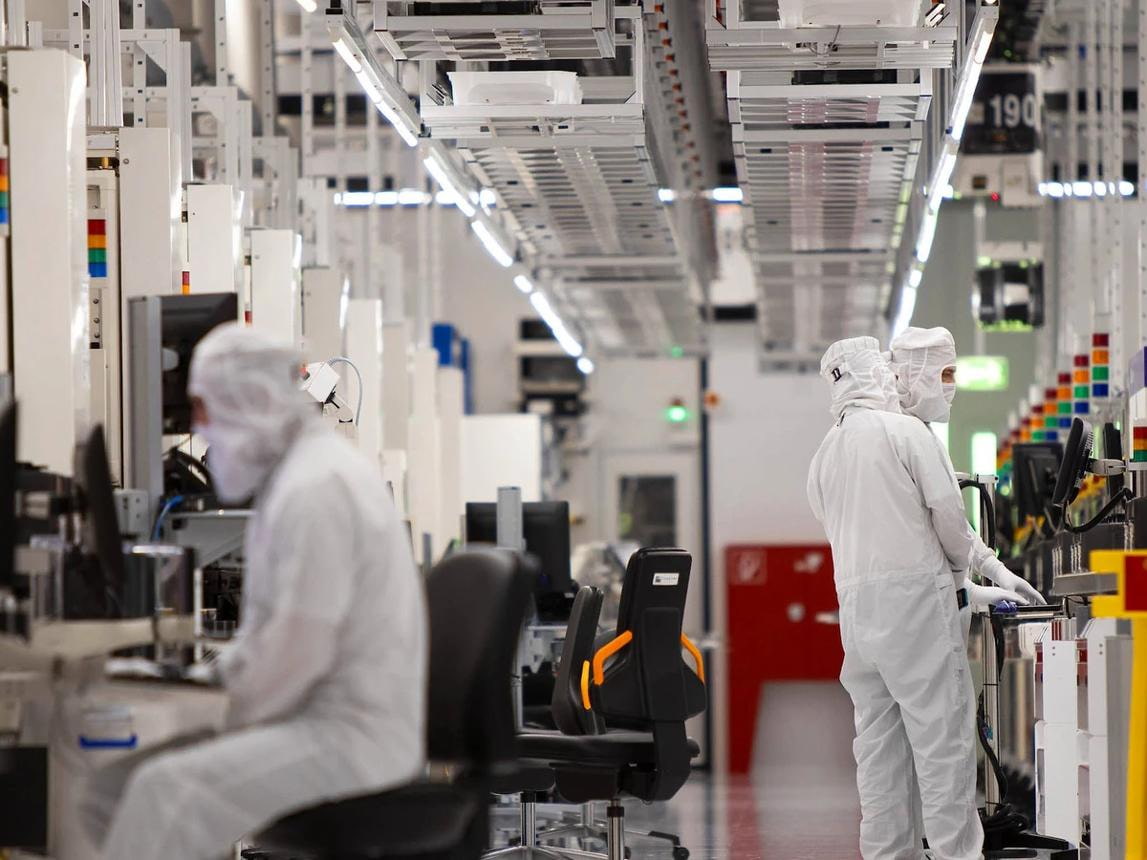
Tokyo: The fourth meeting of the EU-Japan Digital Partnership Council, held in Brussels on 5 May 2026, produced little drama and a great deal of quiet significance. Beneath the familiar language of cooperation on data, artificial intelligence and digital identity sat a more pointed agenda: how two technological powers, each anxious about its dependence on others, can pool their strengths in semiconductors before the next supply shock forces their hands.

The centrepiece is a Memorandum of Cooperation on semiconductors that both sides reaffirmed this spring. Its most practical element is an Early Warning Mechanism, a channel for sharing intelligence about looming disruptions to chip supply, whether caused by geopolitics, export controls or natural disaster. The idea is unglamorous but valuable. Much of the damage from the chip shortages earlier this decade came not from absolute scarcity but from a lack of visibility, with buyers and governments discovering bottlenecks only after they had bitten. A shared radar between Europe and Japan extends each side’s field of view across two continents.

The strategic context is impossible to miss. Both Brussels and Tokyo have watched the United States wield export controls and subsidy programmes with growing assertiveness, and both have felt the discomfort of being junior partners in a contest they did not choose. Cooperation between them is partly a hedge: a way to preserve options should the transatlantic or trans-Pacific relationship with Washington grow more transactional. The phrase heard repeatedly at the 9th Digital Policy Dialogue in March, that the partners would address challenges posed by non-market policies and supply-chain dependencies in critical sectors, was diplomatic code aimed at more than one capital.

The complementarity is genuine. Japan retains formidable strength in semiconductor materials, manufacturing equipment and specialty chemicals, the unglamorous inputs without which no fabrication plant can run. Europe holds a near-monopoly through a single firm in the lithography machines that print the most advanced circuits, and it brings research depth in next-generation chip designs. Neither can build a complete supply chain alone; together they cover far more of it. Extending that logic into quantum technologies and artificial intelligence, as the council agreed to do, widens the bet.

Yet ambition and delivery remain far apart. Memoranda and dialogues generate communiqués more readily than fabrication capacity. The hard questions, who funds joint research, how intellectual property is shared, whether either side would actually divert scarce supply to the other in a crisis, are exactly the ones that cooperation frameworks tend to defer. There is also the matter of scale. Even combined, European and Japanese chip ambitions are modest beside the sums being committed in the United States and China.

What the partnership offers is not autonomy but resilience, a thickening of ties that makes both sides less brittle. In a field defined by concentration and chokepoints, that is no small thing. The test over the coming year will be whether the Early Warning Mechanism is ever used in anger, and whether the warm words about quantum and AI translate into laboratories and supply contracts rather than another round of well-photographed handshakes.