October 5, 2026
LATEST
Air Passenger Rights Deal Keeps The Three-Hour Delay RuleEuro Area Unemployment Rate Holds At 6.4 percent Since FebruaryParcel Customs Duty Of €3 Squeezes Cheap Imports To 2028Addictive Design Takes Centre Stage In The Digital Fairness ActPanama And Viet Nam Face The EU Tax Blacklist Review In OctoberEU Accession Roadmaps Wait For A Review Delayed Until 6 OctoberAffordable housing plan meets its Strasbourg momentPsychosocial risks directive vote tests MEPs on burnoutCounterfeit medicines online reach the Strasbourg agendaBurnham Reopens The Brexit Debate Before The November EU-UK SummitPriority Dispatch For Renewables Faces A Commission Rethink After 2030EUDI Wallet Deadline Gives Member States Until December To DeliverSkills Portability Act Puts Diplomas In Every EU Digital WalletCOP31 EU Position Demands Tripled Renewables And A Fossil Fuel ExitPhilippines Trade Deal Sets A 2027 Signing Date As GSP+ FadesBrazil Meat Ban Tests Mercosur Trust Over Antimicrobial RulesMexico Trade Agreement Waits On Ratification To Cut EU TariffsStrait of Hormuz Sanctions Give Kallas A Naval Mandate To FillEU-Morocco Agreement Meets Scrutiny Over Western Sahara GoodsLobito Corridor Funding Tests Europe’s Copper And Cobalt StrategyAir Passenger Rights Deal Keeps The Three-Hour Delay RuleEuro Area Unemployment Rate Holds At 6.4 percent Since FebruaryParcel Customs Duty Of €3 Squeezes Cheap Imports To 2028Addictive Design Takes Centre Stage In The Digital Fairness ActPanama And Viet Nam Face The EU Tax Blacklist Review In OctoberEU Accession Roadmaps Wait For A Review Delayed Until 6 OctoberAffordable housing plan meets its Strasbourg momentPsychosocial risks directive vote tests MEPs on burnoutCounterfeit medicines online reach the Strasbourg agendaBurnham Reopens The Brexit Debate Before The November EU-UK SummitPriority Dispatch For Renewables Faces A Commission Rethink After 2030EUDI Wallet Deadline Gives Member States Until December To DeliverSkills Portability Act Puts Diplomas In Every EU Digital WalletCOP31 EU Position Demands Tripled Renewables And A Fossil Fuel ExitPhilippines Trade Deal Sets A 2027 Signing Date As GSP+ FadesBrazil Meat Ban Tests Mercosur Trust Over Antimicrobial RulesMexico Trade Agreement Waits On Ratification To Cut EU TariffsStrait of Hormuz Sanctions Give Kallas A Naval Mandate To FillEU-Morocco Agreement Meets Scrutiny Over Western Sahara GoodsLobito Corridor Funding Tests Europe’s Copper And Cobalt Strategy
October 5, 2026
LATEST
Air Passenger Rights Deal Keeps The Three-Hour Delay RuleEuro Area Unemployment Rate Holds At 6.4 percent Since FebruaryParcel Customs Duty Of €3 Squeezes Cheap Imports To 2028Addictive Design Takes Centre Stage In The Digital Fairness ActPanama And Viet Nam Face The EU Tax Blacklist Review In OctoberEU Accession Roadmaps Wait For A Review Delayed Until 6 OctoberAffordable housing plan meets its Strasbourg momentPsychosocial risks directive vote tests MEPs on burnoutCounterfeit medicines online reach the Strasbourg agendaBurnham Reopens The Brexit Debate Before The November EU-UK SummitPriority Dispatch For Renewables Faces A Commission Rethink After 2030EUDI Wallet Deadline Gives Member States Until December To DeliverSkills Portability Act Puts Diplomas In Every EU Digital WalletCOP31 EU Position Demands Tripled Renewables And A Fossil Fuel ExitPhilippines Trade Deal Sets A 2027 Signing Date As GSP+ FadesBrazil Meat Ban Tests Mercosur Trust Over Antimicrobial RulesMexico Trade Agreement Waits On Ratification To Cut EU TariffsStrait of Hormuz Sanctions Give Kallas A Naval Mandate To FillEU-Morocco Agreement Meets Scrutiny Over Western Sahara GoodsLobito Corridor Funding Tests Europe’s Copper And Cobalt StrategyAir Passenger Rights Deal Keeps The Three-Hour Delay RuleEuro Area Unemployment Rate Holds At 6.4 percent Since FebruaryParcel Customs Duty Of €3 Squeezes Cheap Imports To 2028Addictive Design Takes Centre Stage In The Digital Fairness ActPanama And Viet Nam Face The EU Tax Blacklist Review In OctoberEU Accession Roadmaps Wait For A Review Delayed Until 6 OctoberAffordable housing plan meets its Strasbourg momentPsychosocial risks directive vote tests MEPs on burnoutCounterfeit medicines online reach the Strasbourg agendaBurnham Reopens The Brexit Debate Before The November EU-UK SummitPriority Dispatch For Renewables Faces A Commission Rethink After 2030EUDI Wallet Deadline Gives Member States Until December To DeliverSkills Portability Act Puts Diplomas In Every EU Digital WalletCOP31 EU Position Demands Tripled Renewables And A Fossil Fuel ExitPhilippines Trade Deal Sets A 2027 Signing Date As GSP+ FadesBrazil Meat Ban Tests Mercosur Trust Over Antimicrobial RulesMexico Trade Agreement Waits On Ratification To Cut EU TariffsStrait of Hormuz Sanctions Give Kallas A Naval Mandate To FillEU-Morocco Agreement Meets Scrutiny Over Western Sahara GoodsLobito Corridor Funding Tests Europe’s Copper And Cobalt Strategy

Brazil Meat Ban Tests Mercosur Trust Over Antimicrobial Rules

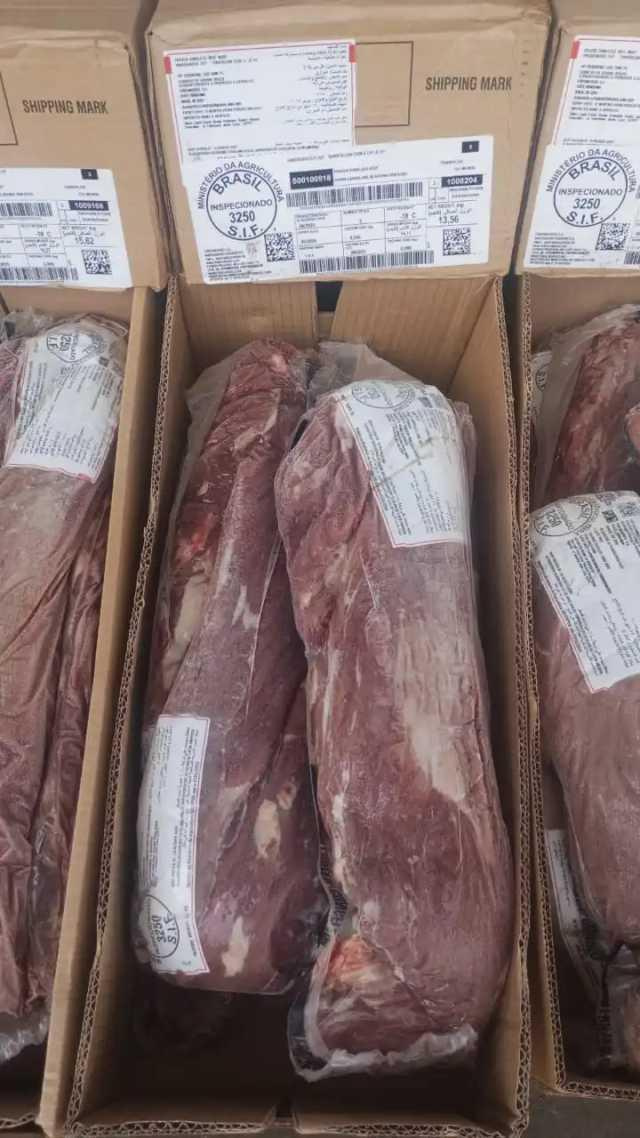
Brasília: The Brazil meat ban took effect on 3 September 2026 and turned the first summer of the EU-Mercosur interim trade agreement into a test of regulatory trust. Brazil missed the Commission’s list of third countries cleared to export animal products, and that omission triggered a suspension covering beef, poultry, eggs, honey, aquaculture products, equine meat and casings.

The legal logic is simple, and the politics are not. EU rules forbid antimicrobials for growth promotion and reserve certain medicines for human use. Commission spokesperson Eva Hrncirova said Brazil lacked the required guarantees, and the Commission says exports can resume once Brazil demonstrates compliance across the entire lifetime of the animals. The Brazil meat ban traces back to an expert vote in May, so officials had months to prepare the ground.

Timing explains why the Brazil meat ban draws so much attention. The EU-Mercosur interim agreement began provisional application on 1 May 2026, and it opens quotas of 99,000 tonnes of beef and 180,000 tonnes of poultry at reduced tariffs. For Brazilian exporters, those quotas were the prize of a negotiation that lasted more than twenty-five years. Instead of a market opening, they met a veterinary checklist.

The audit picture is uneven. Inspections of poultry and honey continue on the basis of written guarantees that Brazil supplied, while beef cannot advance until Brasília documents controls across the full cattle lifecycle. Brazil’s ambassador to the EU, Pedro Miguel da Costa e Silva, pointed to ongoing technical discussions, yet those talks did not prevent the suspension. Tracing medicine use across a herd’s whole life is a heavier task than promising to comply.

The measure also feeds a domestic argument in Europe. The farm coalition ECVC says Brazilian poultry imports rose nearly 50% in the first half of 2026 compared with the same period of 2025, and it calls provisional application without a European Parliament vote a democratic scandal. It also warns that the agreement’s rebalancing mechanism could let Brazil challenge the Brazil meat ban. That reading is the coalition’s claim, while the Commission presents the suspension as ordinary food-safety enforcement.

My reading is that the Brazil meat ban strengthens the Commission’s hand more than it weakens the Mercosur deal. By applying a pre-existing rule to a new trading partner, Brussels shows European farmers that standards survive market opening. For Brasília, the same signal clarifies the price of access, because compliance is a precondition rather than a bargaining chip. Whether the rebalancing clause ever matters depends on whether either side describes the suspension as a trade barrier or a sanitary measure.

The next milestone is technical, not diplomatic. If Brazil delivers lifecycle documentation and the audits close, the Brazil meat ban can lift product by product, starting with poultry and honey. If it does not, the dispute will shape how Europeans judge Mercosur, a deal that Brazil’s parliament ratified on 5 March 2026 and that Uruguay and Argentina have also approved.