
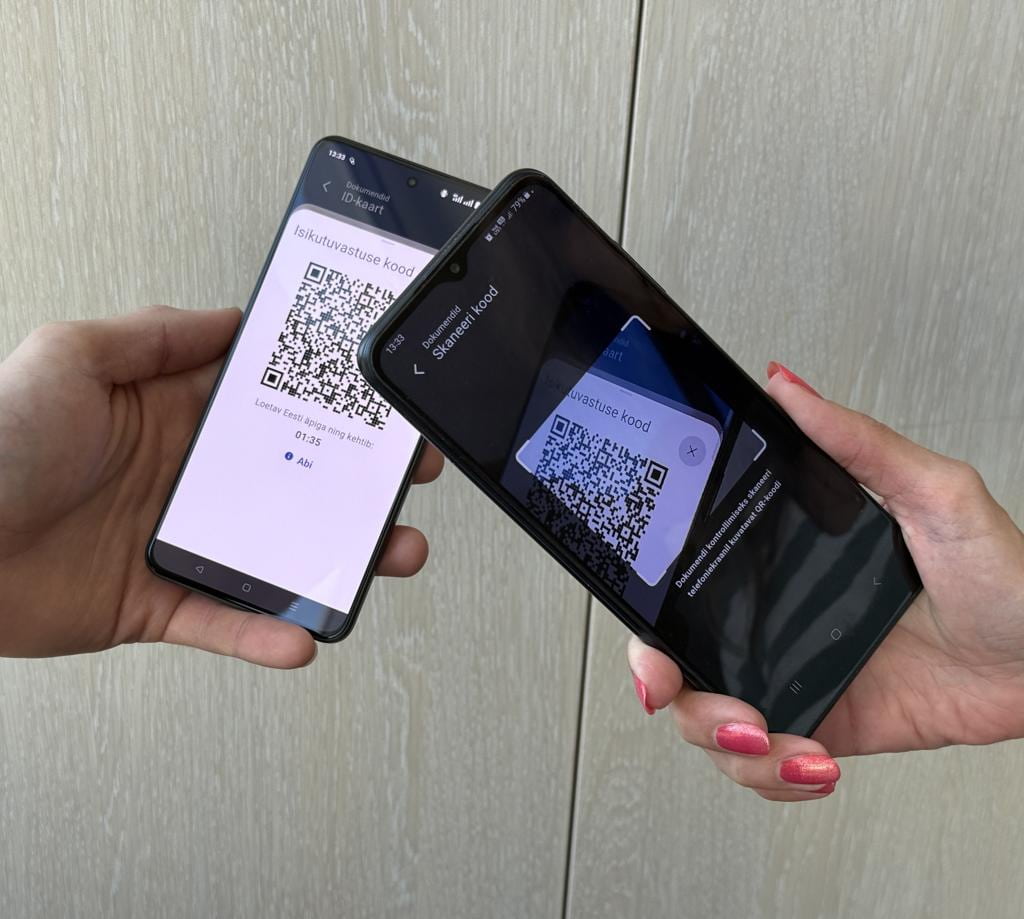
Tallinn: The EUDI wallet deadline arrives at the end of December 2026, when every EU member state must offer citizens, residents and businesses at least one European Digital Identity Wallet under Regulation (EU) 2024/1183. The 24-month countdown started on 24 December 2024, when the first implementing acts entered into force.
Estonia, whose national electronic identity system long predates the EU framework, now faces the same EUDI wallet deadline as the 26 other capitals. The regulation turns what was voluntary under the 2014 eIDAS Regulation into a binding duty to provide a wallet, issued either by public authorities or by recognised private entities.
The Commission has spent two years building the rulebook. Five implementing regulations adopted in December 2024 cover personal identification data, core functionalities, the trust framework, certification and technical protocols. Four more followed on 7 May 2025 on relying party registration, certified wallet listings, security breach procedures and identity matching.
Businesses should plan now. Companies that must verify customer identity, such as banks and telecoms, will need to accept the wallet once member states launch it, so they have little time to adapt their onboarding systems. The EUDI wallet deadline therefore acts as a countdown for the private sector as well as for governments, even though sector-specific use cases are still being defined.
The framework is still moving. Commission Implementing Regulation (EU) 2026/1731, which took effect on 11 August 2026, revised the technical standards and specifications for the core framework. Development, certification and deployment continue across member states, while practical use cases await the involvement of banks, telecoms and other sectors.
The legal text sets clear expectations. It requires a “safe, reliable and privacy-respecting means of digital identification” that works across borders and is accepted by registered relying parties. Those legally obliged to identify customers must accept the wallet, and users keep control over what data they share.
Citizens also get practical features. The wallets will be open-source, and creating qualified electronic signatures for non-professional use will be free of charge. The wallet is meant to hold national identity data alongside credentials such as driving licences, diplomas and bank accounts, which gives the EUDI wallet deadline real weight for everyday services.
Brussels already wants the wallet to carry more. The Commission’s Fair Labour Mobility package of 15 September 2026 proposes that social security documents and professional qualifications sit in the wallet within three years of the new rules entering into force. That proposal only works if member states meet the EUDI wallet deadline with a product people can actually use.
Progress so far looks uneven. EU Perspectives reported in January that the wallet was slowly entering its rollout phase, and the Commission says expansion of use cases still depends on sector-specific involvement. The European Digital Identity Cooperation Group supports implementation and develops the Union Toolbox of technical standards that national projects follow.
Three months remain before the EUDI wallet deadline expires. Governments that miss it will face questions from the Commission, and businesses that must accept the wallet will need clear technical guidance in 2026 and beyond.

