The Airbus EIB loan has become the latest flashpoint in transatlantic trade relations, and the European Investment Bank shows no sign of retreat. EIB President Nadia Calviño told Bloomberg Television on 9 November 2026 that the €3 billion financing for Airbus SE is “absolutely plain vanilla” and that the bank has sent every relevant document to the European Commission.
Her comments answer a pointed request from Washington. In October, US Trade Representative Jamieson Greer asked for details of the deal, warned that it could strain transatlantic trade ties and said he hoped for a quick resolution. The EIB has now handed the question to the Commission, which Calviño described as the competent authority on trade policy.
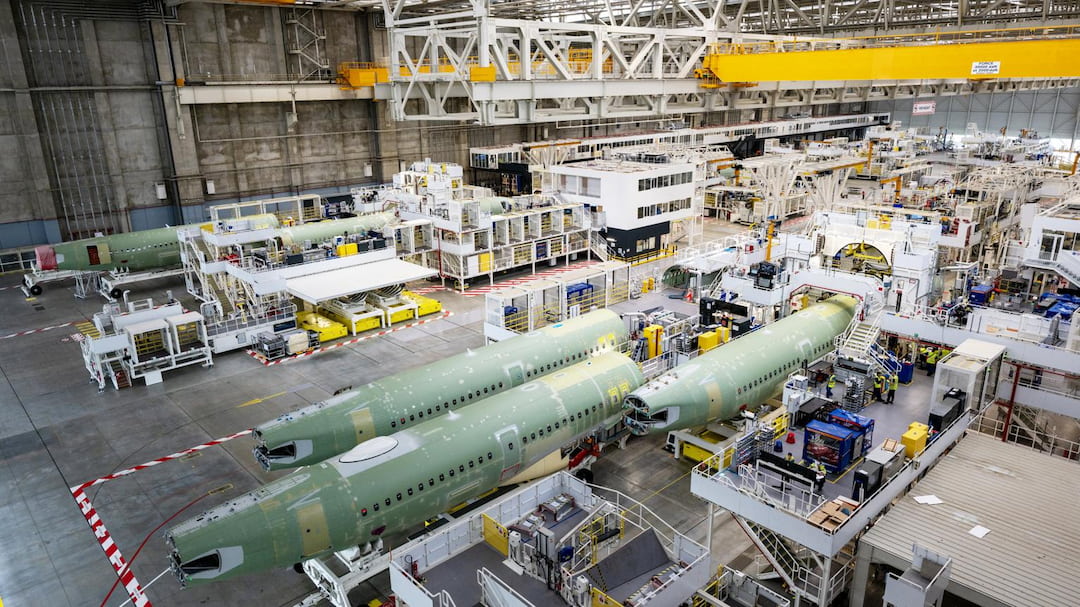
The bank approved the Airbus EIB loan in June 2026 to fund long-term research and development at Airbus, covering technology for commercial aircraft and defence. It is the largest financing the EIB has ever approved for a single corporate borrower, and Airbus has already drawn a first tranche.
At the time, Calviño presented the deal as proof that Europe is reclaiming strategic autonomy. Airbus chief financial officer Thomas Toepfer added in July that the money came “completely at market rates”, a phrase aimed squarely at subsidy critics on both sides of the Atlantic.
Washington’s concern draws on a long and bitter history. The United States and the EU fought for 17 years at the World Trade Organization over public support for Airbus and Boeing, and both sides won rulings against the other. A truce agreed in June 2021 suspended retaliatory tariffs for five years, but the underlying dispute never disappeared.
Any public lending to Airbus therefore lands on sensitive ground. Under WTO subsidy rules, a loan on better-than-market terms can count as a subsidy, so the defence of the Airbus EIB loan rests on showing that Airbus pays what a private lender would charge. Calviño’s decision to share the paperwork with the Commission signals confidence that the numbers will hold up.
For the EU, the Airbus EIB loan sits at the centre of a wider economic security agenda. Brussels wants European champions in aerospace, defence and dual-use technology, and the EIB has widened its own lending rules to back more security and defence projects. A US challenge to one landmark deal could chill that whole strategy.
The Commission now owns the file. It must reply to Greer on the Airbus EIB loan without suggesting that EU development finance needs Washington’s blessing. A defensive answer risks a fresh tariff threat at a delicate moment for EU-US trade, while silence could invite a formal complaint.
The episode also tests the bank’s governance. EU member states own the EIB, and its board signs off on large operations, so a US challenge indirectly questions choices made by 27 national shareholders. That gives finance ministers a direct stake in how the Commission responds.
Investors and rival manufacturers will watch the next step closely. If the Commission can show that the Airbus EIB loan followed genuine market terms, it strengthens the case for public banks to back strategic industry in 2026 and beyond; if it cannot, Europe’s economic security push could collide head-on with its trade commitments.