November 12, 2026
LATEST
Single Platform Copyright Licence Covers Uploads, Court SaysPlahotniuc Sanctions Annulment Stands After EU Court VerdictWarsaw Hosts EU-Ukraine Investment Conference as Kos Pushes ReformsEmergency Oil Stocks Fall Below Legal Minimum in 13 EU CountriesProxy Voting for MEPs Wins 578 Votes but New Fathers Stay ExcludedSummit Security Zone Will Shut Schuman Streets for Two DaysAirbus EIB Loan Draws US Scrutiny as Calviño Stands FirmZoonotic Avian Influenza Plan Links Farm and Human HealthGambia Presidential Election Draws EU Observers Across the CountryUK-EU Agri-Food Deal Nears Summit as British Farmers Seek GuaranteesMarine Protected Areas Shield Under 1 percent of EU Waters, Auditors WarnProtect What Matters Campaign Brings EU Defence Case to Ten StatesAgricultural Output Value Climbs to €562.5 Billion in Record 2025ENISA Cybersecurity Report Finds Response Teams LaggingEIC Work Programme 2027 Puts €1.8 Billion Into Deep TechLeaders Put AI Sovereignty at the Centre of Friday TalksWomen in Farming Platform Meets in Brussels to Tackle Funding GapsBeating Cancer Plan Review Tests EPP Unity on Tobacco and AlcoholEl Niño Anticipatory Aid Puts Somalia First in EU Crisis PlanningQatar Defence Cooperation Gives Brussels a Gulf Opening After DelaySingle Platform Copyright Licence Covers Uploads, Court SaysPlahotniuc Sanctions Annulment Stands After EU Court VerdictWarsaw Hosts EU-Ukraine Investment Conference as Kos Pushes ReformsEmergency Oil Stocks Fall Below Legal Minimum in 13 EU CountriesProxy Voting for MEPs Wins 578 Votes but New Fathers Stay ExcludedSummit Security Zone Will Shut Schuman Streets for Two DaysAirbus EIB Loan Draws US Scrutiny as Calviño Stands FirmZoonotic Avian Influenza Plan Links Farm and Human HealthGambia Presidential Election Draws EU Observers Across the CountryUK-EU Agri-Food Deal Nears Summit as British Farmers Seek GuaranteesMarine Protected Areas Shield Under 1 percent of EU Waters, Auditors WarnProtect What Matters Campaign Brings EU Defence Case to Ten StatesAgricultural Output Value Climbs to €562.5 Billion in Record 2025ENISA Cybersecurity Report Finds Response Teams LaggingEIC Work Programme 2027 Puts €1.8 Billion Into Deep TechLeaders Put AI Sovereignty at the Centre of Friday TalksWomen in Farming Platform Meets in Brussels to Tackle Funding GapsBeating Cancer Plan Review Tests EPP Unity on Tobacco and AlcoholEl Niño Anticipatory Aid Puts Somalia First in EU Crisis PlanningQatar Defence Cooperation Gives Brussels a Gulf Opening After Delay

Emergency Oil Stocks Fall Below Legal Minimum in 13 EU Countries

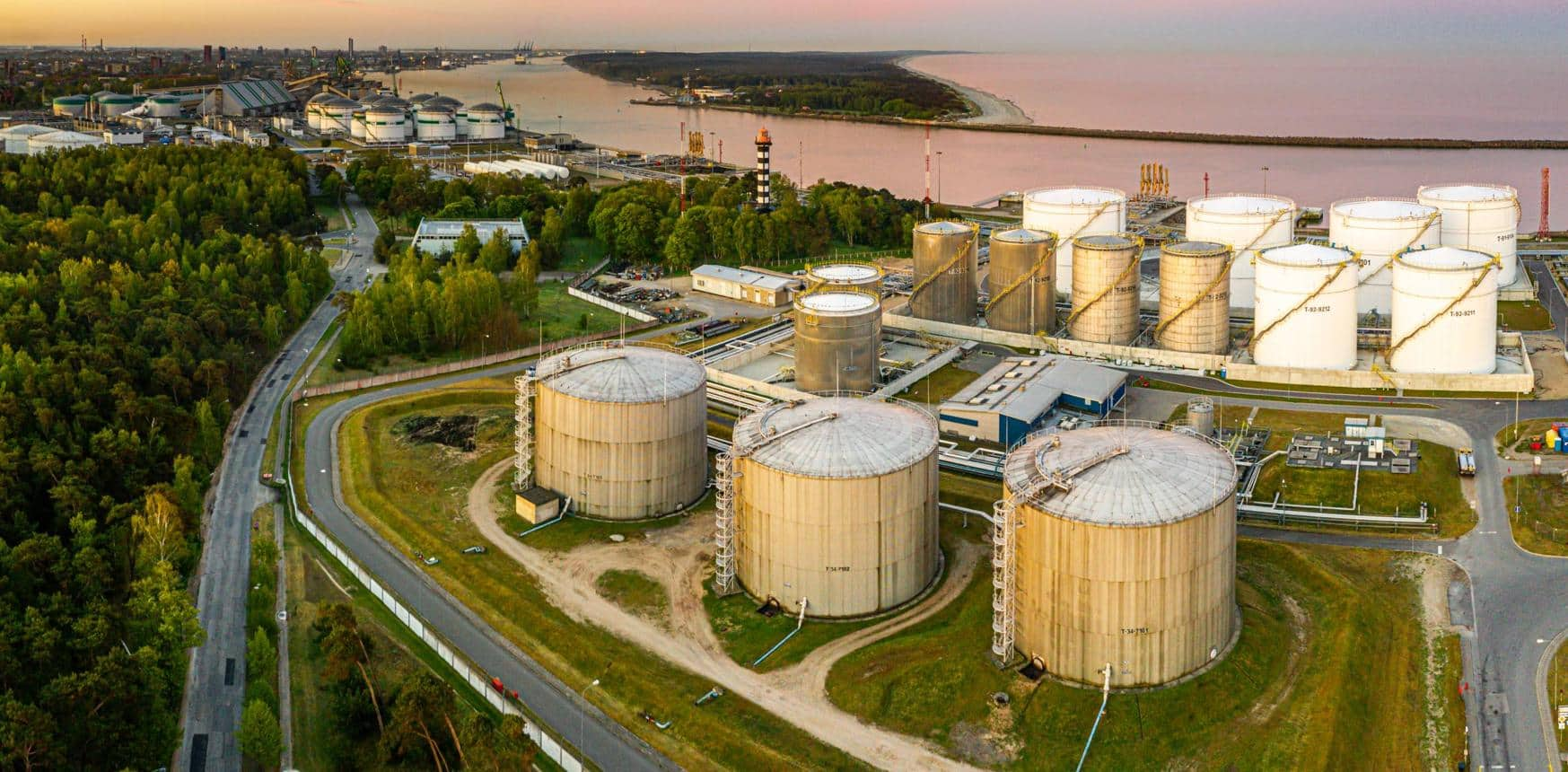
Vilnius: Emergency oil stocks across the European Union fell to 103.5 million tonnes in July 2026, Eurostat reported on 12 November, with 13 member states, Lithuania among them, holding less than their legal minimum. The total marks a 2.5% drop from June and a 4.2% fall from July 2025.

According to the Eurostat release, the countries below their minimum emergency oil stocks level were Bulgaria, Czechia, Ireland, Croatia, Italy, Cyprus, Latvia, Lithuania, Austria, Portugal, the Netherlands, Malta and Romania. The list covers almost half the bloc and spans large importers as well as small island markets.

Crude oil made up 43.7 million tonnes of the July total. Gas and diesel oil accounted for 36.5 million tonnes, while gasoline added 9.8 million tonnes. Holdings averaged about 108.5 million tonnes in 2025, dipped to 105.5 million in December, recovered early this year and have drifted lower since March 2026.

Commercial holdings moved the other way. Companies held 52.5 million tonnes in July, up 5.7% on June and 10.6% on a year earlier. Germany led on both measures, with 20.0 million tonnes of emergency oil stocks and 11.2 million tonnes of commercial stocks, ahead of France, Spain and Italy on emergency holdings.

In six countries, commercial stocks made up more than half of total holdings. The Netherlands topped that list at 70.7%, followed by Hungary at 58.9%, Croatia at 54.9%, Sweden at 52.2%, and Denmark and Lithuania at 51.9% each.

The drawdown follows a turbulent year for oil markets. The EU joined the International Energy Agency’s March release of 400 million barrels after the US-Israeli war against Iran began on 28 February, and it supplied roughly a fifth of that total. Energy Commissioner Dan Jørgensen told Euronews on 1 October that another release remained possible.

“We’ve used it before, and we’ll likely use it again,” Jørgensen said, adding that the bloc coordinates through the EU and the IEA but that “this is a decision of each member state.” Washington has also pressed Europe to free up more diesel, and US Treasury Secretary Scott Bessent urged European partners to “accelerate delivery on their existing commitments.”

Council Directive 2009/119/EC sets the legal floor. It requires each member state to keep emergency oil stocks equal to at least 90 days of average daily net imports or 61 days of average daily inland consumption, whichever is greater. The IEA coordinates collective releases among its members, while national agencies or obliged companies hold the barrels.

The Commission is now preparing a revision of the Oil Stocks Directive as part of a wider energy security package. The Hormuz crisis exposed gaps in how capitals manage and refill their reserves, and Commission officials held workshops with national experts on the rewrite in July 2026.

For Vilnius and the 12 other capitals below the line, the July figures put refilling emergency oil stocks firmly on the winter agenda. Each replenished tonne costs money at today’s prices, yet a thinner buffer leaves Europe more exposed if supply from the Gulf tightens again.