November 21, 2026
LATEST
Serbia EU Accession Gets a Second Wind After the Student List WinSyria Association Agreement Revived With Conditions on RightsDemining in Armenia Gains a Second EU Remote-Controlled UnitIntegrated Border Management Review Shapes Rules to 2032Civil Protection Mechanism Reform Wins Council BackingEl Niño Preparedness Money of €13.5 Million Puts Somalia at the FrontDomestic Lenders Hold 69% of EU Government Debt in Czechia and SwedenErasmus+ 2027 Call Puts €5.3 Billion Behind Teachers and UK ReturnMobile Satellite Services Deal Moves 2 GHz Fees to CapitalsBoone and Brunnermeier Enter the ECB Executive Board RacePlastic Waste Export Ban Shuts Non-OECD Doors Until 2029Ukrainian Local Authorities Win a Formal Voice in EU Accession TalksLargest Ukraine Facility Disbursement Rewards 20 Kyiv Reform StepsNigeria Power Sector Talks Push EU Partners Toward Grid InvestmentShared Mediterranean Maritime Security Gets a Brussels Forum at LastEU-Japan Financial Regulation Talks Put AI and Cyber Risk on the TableEU-Korea Green Partnership Turns to Carbon Pricing and Offshore WindMoldova Air Defence Draws €317 Million From the Peace FacilityUkraine Peace Talks Team Pairs the E5 With Brussels, Not One EnvoyHungary Recovery Fund Wins Nod as 126 of 127 Targets Are MetSerbia EU Accession Gets a Second Wind After the Student List WinSyria Association Agreement Revived With Conditions on RightsDemining in Armenia Gains a Second EU Remote-Controlled UnitIntegrated Border Management Review Shapes Rules to 2032Civil Protection Mechanism Reform Wins Council BackingEl Niño Preparedness Money of €13.5 Million Puts Somalia at the FrontDomestic Lenders Hold 69% of EU Government Debt in Czechia and SwedenErasmus+ 2027 Call Puts €5.3 Billion Behind Teachers and UK ReturnMobile Satellite Services Deal Moves 2 GHz Fees to CapitalsBoone and Brunnermeier Enter the ECB Executive Board RacePlastic Waste Export Ban Shuts Non-OECD Doors Until 2029Ukrainian Local Authorities Win a Formal Voice in EU Accession TalksLargest Ukraine Facility Disbursement Rewards 20 Kyiv Reform StepsNigeria Power Sector Talks Push EU Partners Toward Grid InvestmentShared Mediterranean Maritime Security Gets a Brussels Forum at LastEU-Japan Financial Regulation Talks Put AI and Cyber Risk on the TableEU-Korea Green Partnership Turns to Carbon Pricing and Offshore WindMoldova Air Defence Draws €317 Million From the Peace FacilityUkraine Peace Talks Team Pairs the E5 With Brussels, Not One EnvoyHungary Recovery Fund Wins Nod as 126 of 127 Targets Are Met

EU-Korea Green Partnership Turns to Carbon Pricing and Offshore Wind

Seoul: The EU-Korea Green Partnership is entering a more technical and more consequential phase, with carbon markets, offshore wind and adaptation finance replacing broad declarations of intent. The shift emerged from the eighth EU-Republic of Korea Working Group on Energy, Environment and Climate, which met in Seoul on 20 October 2026.

Officials from the European Commission and Korean ministries reviewed progress under the EU-Korea Green Partnership, launched in 2023. Both sides acknowledged that the energy shock linked to the Gulf crisis and disruption around the Strait of Hormuz had sharpened the case for a faster clean energy transition, not weakened it.

The European side set out its own trajectory. The Union says it remains on course for its 2030 targets, is anchoring a new 2040 objective in the revised European Climate Law and is reworking the EU Emissions Trading System. Korea presented progress on its 2030 nationally determined contribution, the revision of its own emissions trading scheme and a recently adopted green transition strategy.

Carbon pricing is the most promising thread in the EU-Korea Green Partnership. Seoul asked for technical cooperation on market design, an area where Brussels has two decades of experience, including painful lessons on over-allocation and price collapse. Closer alignment would also help Korean steel, chemical and battery exporters prepare for the EU Carbon Border Adjustment Mechanism, which rewards producers that already pay a credible carbon price at home.

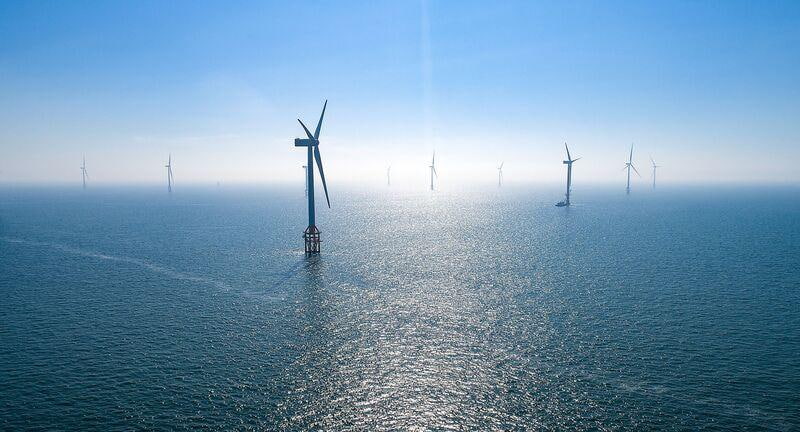
Energy cooperation is moving in the same direction. Korea joined the Electrify Now initiative at its launch in June 2026, and the working group discussed offshore wind, where Korean shipbuilders and cable makers see openings in European supply chains and European developers see a growing Korean market. Industrial decarbonisation and clean technology were flagged for further exploration.

The EU-Korea Green Partnership also reaches beyond energy. The two sides agreed to consider cooperation on climate adaptation and sustainable finance, and compared positions on biodiversity ahead of the CBD COP17 meeting in Yerevan, on a global plastics treaty and on the UN Water Conference. Korea also promoted Busan’s bid to host the 2028 UN Ocean Conference.

Both delegations issued a joint call for urgent climate action ahead of COP31 in Antalya. That message matters because Korea and the EU are among the few advanced economies with operating carbon markets and legally binding mid-century goals, giving them a shared interest in defending ambition against calls to loosen the multilateral rulebook.

The limits are real. No new agreement was signed in Seoul, and the EU-Korea Green Partnership still relies on working groups and dialogues rather than joint funding. Korea’s coal phase-out timeline and the EU’s own debate on free allowances will test how far either side can push the other.

Still, the direction is clear. If the EU-Korea Green Partnership can turn carbon-market cooperation and offshore wind into concrete projects in 2027, it would offer a template for how Brussels works with like-minded Indo-Pacific economies on climate, industry and energy security at the same time.