
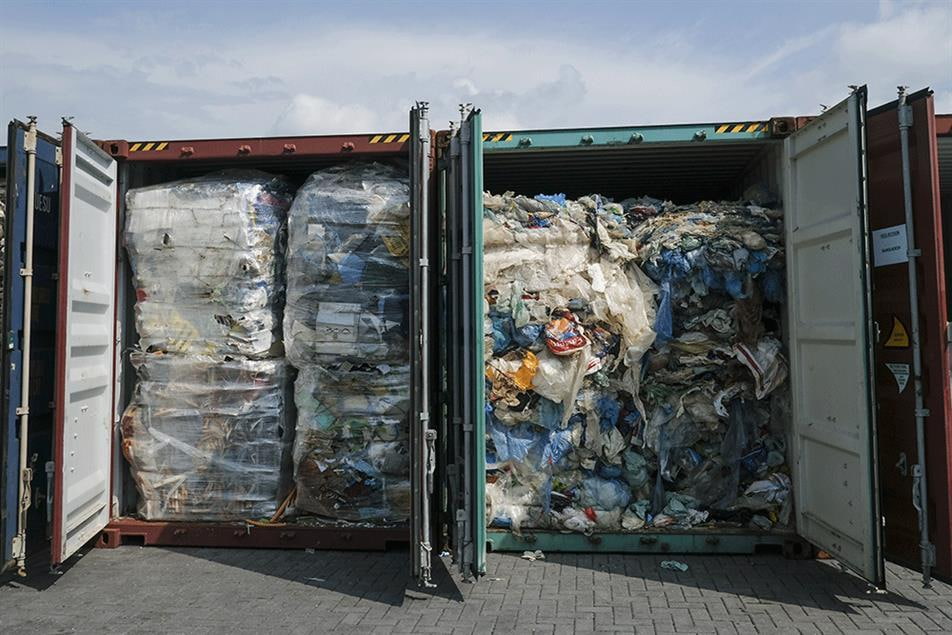
The EU plastic waste export ban took effect on 21 November 2026, ending shipments of European plastic scrap to countries outside the OECD. The European Commission confirmed the start date on Friday 20 November, and the measure now binds every exporter in the single market under the revised Waste Shipments Regulation, Regulation (EU) 2024/1157.
The plastic waste export ban will run until at least 21 May 2029. After that date, non-OECD countries may apply to receive such waste again, but only if they can prove they manage it in an environmentally sound way. Until then, plastic scrap that once travelled to Southeast Asia must find a home in Europe or in OECD economies.
The figures show why the plastic waste export ban matters. The EU generates roughly 40 million tonnes of plastic waste every year and exports between 1 and 1.5 million tonnes of it. In 2025, about half of those plastic exports went to non-OECD destinations. Malaysia took around 276,000 tonnes, Indonesia 215,000 tonnes and Vietnam 137,000 tonnes, while the United Kingdom absorbed 108,000 tonnes.
Türkiye remains the single largest buyer. It received 510,000 tonnes of EU plastic waste in 2025, out of 1.4 million tonnes exported in total. As an OECD member, Türkiye falls outside the new prohibition, yet the Commission has not given it a clean bill of health. A September 2026 assessment found that Ankara had tightened legislation and raised fines, but it flagged weak data transparency, thin enforcement information and unclear governance.
That assessment points to the second half of the policy. Exports to OECD countries remain legal, but they now face closer scrutiny. The Commission monitors these flows and can check whether a receiving country really recycles what it imports, rather than burning or dumping it.
The plastic waste export ban also forms the first step in a wider shift. From 21 May 2027, the EU will stop exporting most waste to non-OECD countries unless they ask to stay on an authorised list. In September, the Commission published a draft list after 32 countries submitted requests to keep receiving EU waste. A consultation closed on 16 October, and the first official list is due by the end of 2026, with updates at least every two years.
The scale of that broader change is large. The EU exported 32 million tonnes of waste in 2025, and about 40% of it went to non-OECD countries. Ferrous scrap, paper and textiles will all feel the pressure once the 2027 rule applies.
For recyclers inside the bloc, the plastic waste export ban creates both a burden and an opening. Volumes that once left Rotterdam or Antwerp on container ships must now feed European sorting and reprocessing plants. The Commission set out measures in December 2025 to strengthen the single market for recycled plastics, and industry groups will now test whether demand for recycled content can keep pace with supply.
Environmental groups have long argued that Europe shifted the cost of its consumption onto poorer countries with weaker controls. Agence Europe described the measure as an effort to stop the EU pushing the environmental burden of its waste onto third countries. Critics in the waste trade warn that tighter rules could raise disposal costs and encourage illegal shipments, which places a heavy load on customs and environmental inspectors.
The coming months will show whether member states enforce the plastic waste export ban with real inspections and penalties. If they do, the rule could force Europe to treat plastic scrap as a resource to process at home rather than a problem to ship abroad.


