Abuja: Nigeria power sector cooperation with the European Union is moving from workshops towards the harder question of who pays for new transmission lines. On 20 November 2026, Voice of Nigeria reported that an EU delegation led by Massimo De Luca, the EU’s Head of Partnership, had visited the Nigerian Independent System Operator (NISO) to explore investment opportunities across the national grid.
The agenda was broad. Both sides discussed generation, transmission and distribution, technical training, solar and wind power, embedded generation, metering and revenue protection, and integration with regional markets. NISO chief executive Abdu Mohammed Bello joined virtually, while Shehu Abba-Aliyu, Executive Director for System Planning, led the Nigerian side in the room.
De Luca said Brussels wants to move from mainly technical assistance towards concrete investment under the Global Gateway strategy. That strategy pools EU member states, European financial institutions and private operators behind projects in partner countries. For the Nigeria power sector, the shift matters because the country has never lacked studies. It has lacked bankable projects that private lenders trust.
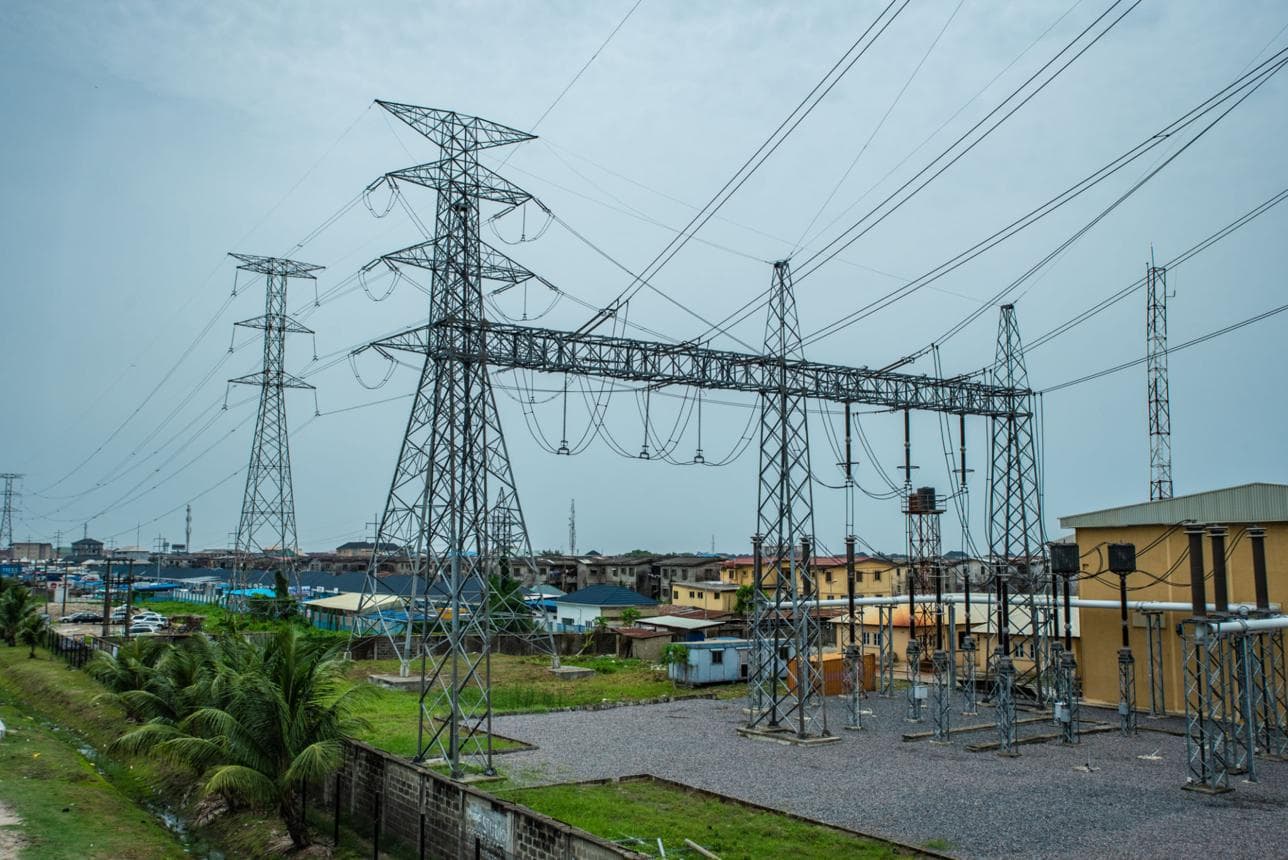
NISO is itself a product of reform. The Electricity Act 2023 created the operator to run the national grid independently, separating system operation from the ownership of transmission assets. The operator now has a draft framework for private investment in transmission, and it wants European help to turn that framework into something financiers will back.
Abba-Aliyu also asked the EU to work alongside the Nigerian Electricity Regulatory Commission, since tariffs and licensing remain the regulator’s domain. Any European money for the Nigeria power sector will depend on rules that NERC, not NISO, ultimately sets and enforces.
Regional integration offers a second reason for European interest in the Nigeria power sector. NISO ran a synchronisation test with the West African Power Pool on 4 November 2025 that lasted more than four hours, a milestone for a region where national grids have long operated in isolation. The EU has also sponsored three Nigerian engineers on a five-day visit to Ghana to study renewables and battery storage.
For Europe, the Nigeria power sector is a test of whether Global Gateway can compete on delivery rather than on slogans. Chinese contractors have financed and built much of West Africa’s energy infrastructure over two decades, often faster than European lenders could close a deal. A grid operator that openly asks for a financing framework offers exactly the opening the EU’s investment strategy was designed to seize.
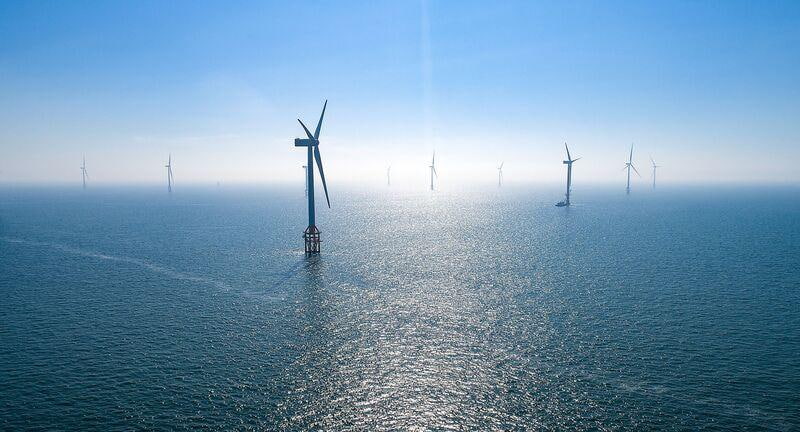
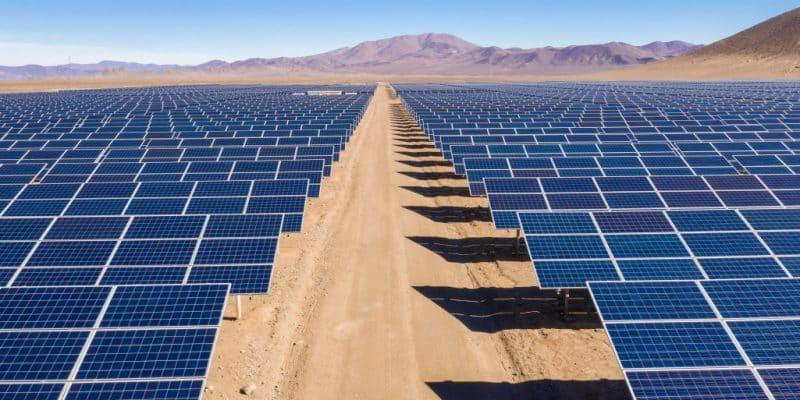
The climate stakes are just as concrete. Nigeria’s grid suffers frequent collapses, and millions of households and firms rely on diesel and petrol generators. Every megawatt of reliable grid power, especially from solar and wind, displaces some of that costly and polluting self-generation. Better metering and revenue protection would also strengthen distribution companies, which remain the weakest link in the chain.
No funding figure emerged from the visit, and both sides simply reaffirmed their commitment to continued collaboration. That caution makes sense for now, but it cannot last long. If the EU wants a lasting place in the Nigeria power sector, the next step must be a named transmission project, a financing structure backed by European guarantees and a timetable that NISO and the regulator can defend at home.