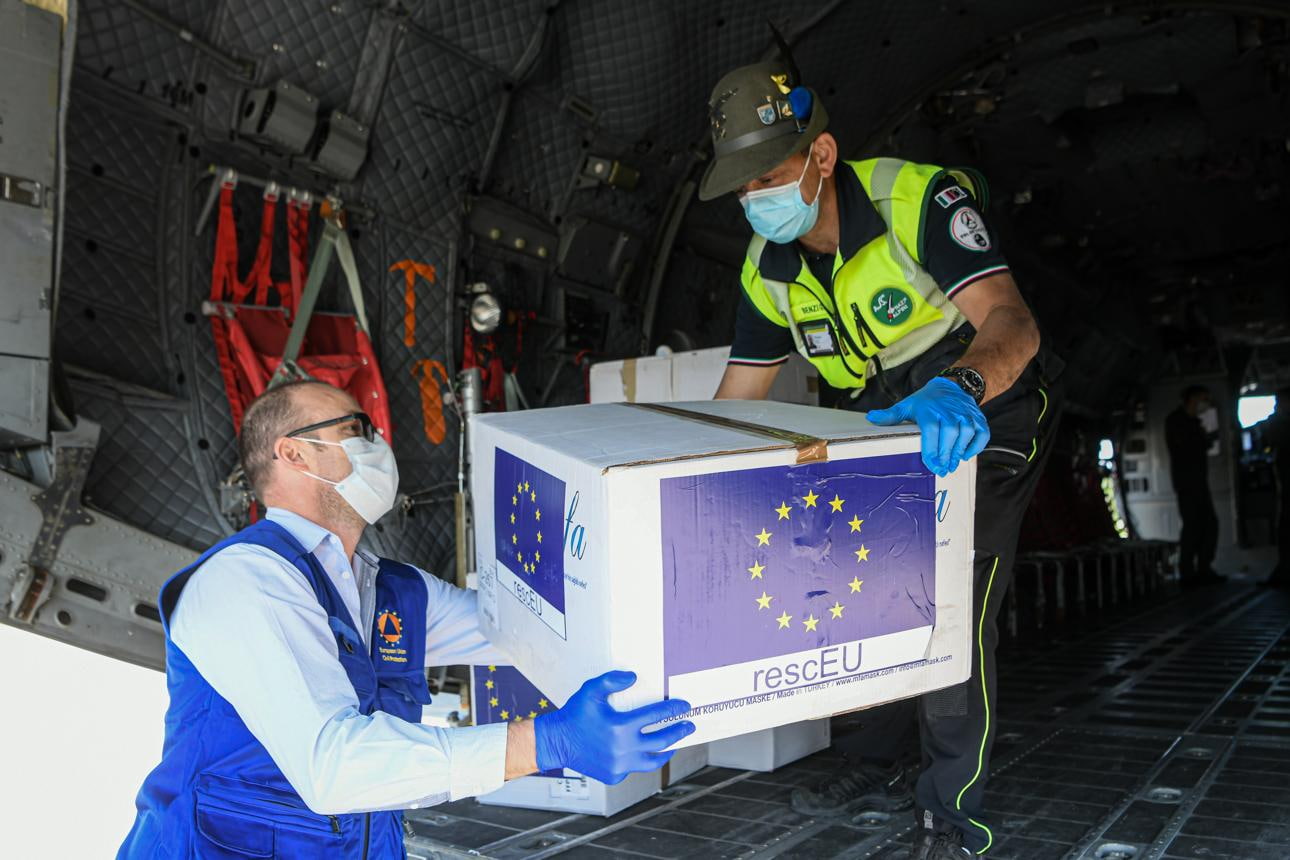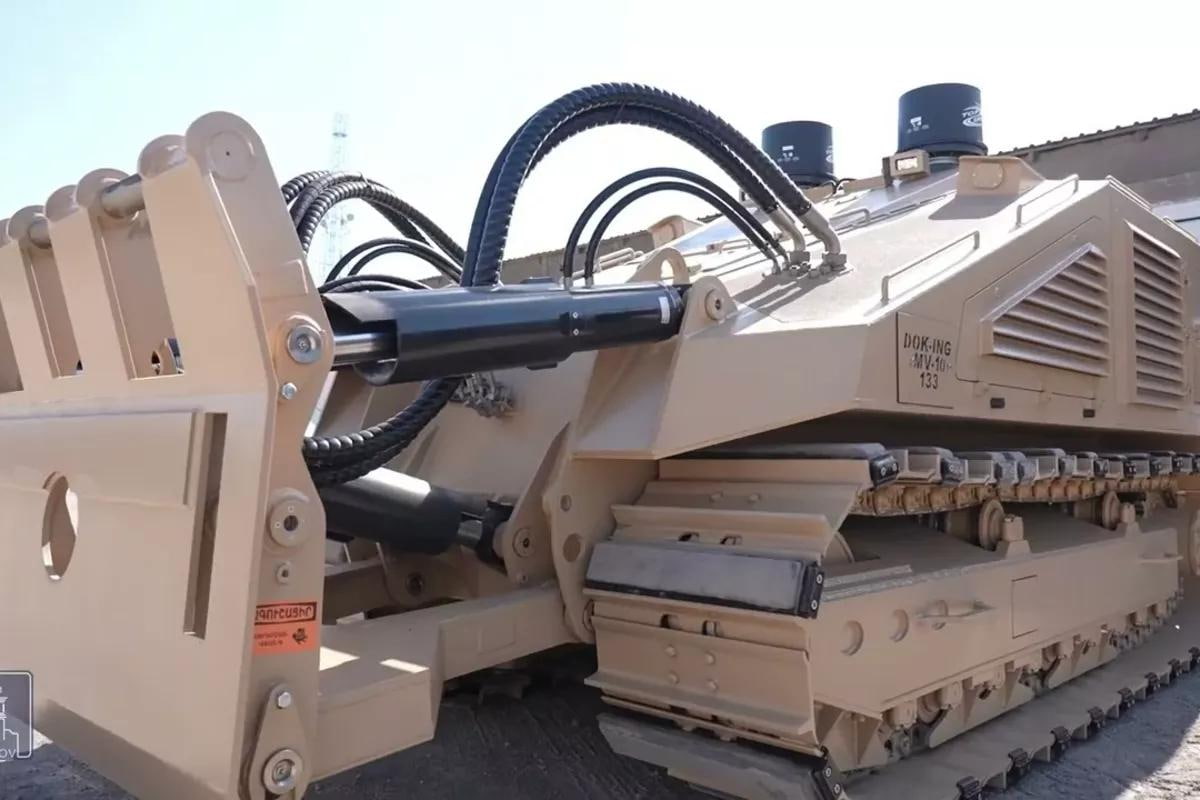
Demining in Armenia received a fresh boost after the European Union handed a second remotely operated clearance machine to the country’s Centre for Humanitarian Demining and Expertise. The EU Delegation in Yerevan announced the handover of the compact MV-4 vehicle on 20 November 2026, a week after EU Ambassador Vassilis Maragos unveiled it with the centre’s leadership on 13 November.
The new unit complements a larger MV-10 machine that the EU donated in July 2026. Operators steer both vehicles by remote control, which keeps deminers at a safe distance while flails and tillers detonate or expose mines and unexploded ordnance buried in fields and roadsides.
Speed and safety drive the EU’s investment in demining in Armenia. Manual clearance remains slow and dangerous work, and the EU Delegation described the detection and neutralisation of landmines as a time-consuming task. Machines can process large areas of farmland quickly, leaving specialist teams to verify the ground and handle the most sensitive finds.
The equipment forms part of a wider package. The EU also funds training for Armenian deminers and partly covers the centre’s operating costs on an interim basis, and it plans to supply two ambulances for demining teams in spring 2027. Together these steps turn demining in Armenia from a one-off donation into a sustained capacity-building effort.
Strategic context explains why Brussels cares. Decades of conflict with Azerbaijan left mines and explosive remnants along border areas and in former front-line zones, and contamination still blocks farming, grazing and reconstruction in some villages. Clearing that land allows border communities to resume normal economic life, which in turn supports stability in a fragile region.
The handover also fits a broader shift in EU policy towards the South Caucasus. The EU Mission in Armenia, a civilian monitoring operation, has patrolled the border since 2023, and the Union has expanded security cooperation with Yerevan through the European Peace Facility. Humanitarian mine action offers a low-risk, high-visibility way to show support without stepping into the unresolved political dispute.
Questions remain about the scale of demining in Armenia. Two machines and a training programme cannot clear contaminated land quickly on their own, and the cost of full clearance will run far beyond the current package. International partners, including UN agencies and other donors, will need to coordinate closely to avoid gaps and overlaps in surveys and field operations.
Sustainability presents another test for demining in Armenia. Interim funding for operating costs helps the centre today, but Armenia will need a durable national budget line to keep machines maintained, crews certified and survey data up to date once EU support tapers off. Donors often find it easier to fund equipment than to pay for the long tail of maintenance and staff.
Even so, the direction is clear. Every hectare released for farming or housing reduces the daily risk faced by rural families and strengthens trust between citizens and institutions. For Brussels, steady investment in demining in Armenia offers a practical way to back peace on the ground while diplomats work on the treaty that would end the conflict for good.