November 9, 2026
LATEST
Consumer Enforcement Reform Rides With Digital Fairness ActAtlantic Hake and Sea Bream Face Cuts in 2027 Fishing Quotas2027 EU Budget Talks Race Towards Treaty Deadline of 16 NovemberEU Civil Protection Mechanism Targets Ukraine Energy EmergencyEurogroup Defence Spending Call Pushes Governments to Reorder BudgetsKallas Tells London EU UK Defence Cooperation Must Come FirstGeorgia Democratic Backsliding Pushes Tbilisi Toward EU ShowdownWater Resilience Strategy Faces Its Year-End Delivery TestNvidia General Court Ruling Tests EU Merger Referral PowerChips Act 2.0 Shifts Europe’s Chip Bet From Supply To DemandDigital Fairness Act Proposal Due This Quarter As Dark Patterns LastCouncil Splits Over EU Space Act Scope As Parliament Position WaitsOLAF Customs Fraud Probe Tracks 197 Million Euros Across Five StatesFAST-EU Pilot Offers Trial Sponsors A 70-Day Review RouteCommission Proposes EU Preparedness Day For 23 October 2027Non-Household Electricity Prices Fall 5.4% As Nordics ClimbFrontex Mandate Overhaul Would Double Border Corps And Add ReturnsJoint Defence Projects Win Council Backing For Drones And Air ShieldCOP31 Antalya Puts Europe’s Climate Diplomacy to a Hard TestIndia EU Trade Deal Heads to December Signing With Customs TestConsumer Enforcement Reform Rides With Digital Fairness ActAtlantic Hake and Sea Bream Face Cuts in 2027 Fishing Quotas2027 EU Budget Talks Race Towards Treaty Deadline of 16 NovemberEU Civil Protection Mechanism Targets Ukraine Energy EmergencyEurogroup Defence Spending Call Pushes Governments to Reorder BudgetsKallas Tells London EU UK Defence Cooperation Must Come FirstGeorgia Democratic Backsliding Pushes Tbilisi Toward EU ShowdownWater Resilience Strategy Faces Its Year-End Delivery TestNvidia General Court Ruling Tests EU Merger Referral PowerChips Act 2.0 Shifts Europe’s Chip Bet From Supply To DemandDigital Fairness Act Proposal Due This Quarter As Dark Patterns LastCouncil Splits Over EU Space Act Scope As Parliament Position WaitsOLAF Customs Fraud Probe Tracks 197 Million Euros Across Five StatesFAST-EU Pilot Offers Trial Sponsors A 70-Day Review RouteCommission Proposes EU Preparedness Day For 23 October 2027Non-Household Electricity Prices Fall 5.4% As Nordics ClimbFrontex Mandate Overhaul Would Double Border Corps And Add ReturnsJoint Defence Projects Win Council Backing For Drones And Air ShieldCOP31 Antalya Puts Europe’s Climate Diplomacy to a Hard TestIndia EU Trade Deal Heads to December Signing With Customs Test

Democracy Shield Report Reaches the Plenary With Sharper Teeth

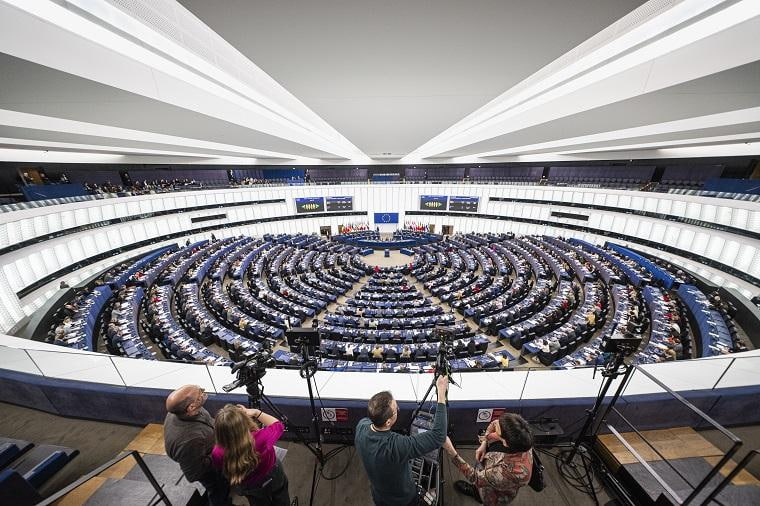
Parliament spent a year examining how well the Union defends itself against foreign interference and information manipulation, and the answer it produced lands in plenary during the session running from 14 to 17 September. The Democracy Shield report arrives with recommendations considerably harder than the ones its first draft contained.

The special committee adopted the text on 23 June by 20 votes to nine, with two abstentions. Thomas Tobé of the European People’s Party wrote the original draft. The amendment process reshaped it, and the version heading to the floor argues that soft policy tools no longer match the scale of the problem.

The central demand concerns institutional architecture. Members support creating an EU centre for democratic resilience, but they refuse to accept it as an informal coordination body. They want it established through a binding legal act, with defined operational parameters, a dedicated budget line and a governance structure that includes all member states. That last condition matters, because interference campaigns exploit the gaps between national responses more effectively than they penetrate any single system.

The distinction between a communication and a regulation runs through the whole file. The Commission originally framed the European Democracy Shield as a package of initiatives rather than a legislative instrument. Parliament’s special committee effectively rejects that framing and asks for legal obligations, funding certainty and accountability that survives a change of political priorities in Berlaymont.

Members also address sanctions, support for independent media and protection for the people who track disinformation networks. Researchers and journalists working on foreign influence operations face legal harassment and personal threats, and the report treats their protection as infrastructure rather than as a courtesy. The committee links this to the wider rule of law debate, on the argument that a member state which weakens its own press has already lost part of its defensive capacity.

None of this binds anyone. Own-initiative reports carry political weight and nothing more, and the Commission answers them at its own pace. Parliament’s leverage lies in timing. The plenary vote falls in the same week that Ursula von der Leyen delivers her State of the Union address in Strasbourg on 16 September, and members will use the report to press for commitments in the legislative programme that follows.

The session carries several related items. Members will vote on advancing the Union’s work against hybrid threats, on the effects of social media and the wider online environment on young people, and on the EU youth strategy. Taken together, those files sketch a Parliament that treats information integrity, platform accountability and democratic resilience as one policy area rather than three.

Whether the Commission answers with legislation remains genuinely uncertain. Building a resilience centre through a binding act requires a legal basis, a budget negotiation and the agreement of governments that disagree about how much authority Brussels should hold over national information space. The legislative train record shows how slowly this file has moved so far. A strong plenary majority next week would raise the political cost of leaving it there.