October 13, 2026
LATEST
Electric And Hybrid Cars Lift EU Exports To €64.7 Billion In 2025Active Farmer Definition Splits Capitals Before CAP DealEquality And Competitiveness Conclusions Face An EPSCO Vote Next WeekCommission Seeks Feedback On Methane Reporting Templates For EnergyEU-India Trade Deal Heads Toward A Year-End SignatureMoldova EU Accession Talks Turn To Fundamentals BenchmarksDemocratic Resilience Conclusions Test Ministers In LuxembourgDigital Networks Act Would Switch Off Copper By 2035Return Hubs Move From Idea To Law In EU Migration ReformEuro Area Inflation Hits 3.8 percent As Energy Costs SurgeSpace Rules Clash As EU Space Act Heads For Late 2026 TriloguesFirst-Time EU Asylum Applications Fall 29 percent To 37,075 In JuneBaltic Sea Fishing Quotas 2027 Cut Cod By-Catch And Lift SpratEU-Kazakhstan Partnership Bets On Corridors, Flights And AirbusSingle Market Roadmap Reaches Leaders With Clock RunningSchengen Visas For Russians Face A Tighter Visa CodeIrish Box Cuts EU Long-Term Budget By €141 BillionCircular Economy Act Slips To 11 November After Scrutiny Board DoubtsBosnia and Herzegovina EU Accession Waits On Post-Election DealsEU-Philippines Trade Deal Now Needs Legal Text Before Winter Sets InElectric And Hybrid Cars Lift EU Exports To €64.7 Billion In 2025Active Farmer Definition Splits Capitals Before CAP DealEquality And Competitiveness Conclusions Face An EPSCO Vote Next WeekCommission Seeks Feedback On Methane Reporting Templates For EnergyEU-India Trade Deal Heads Toward A Year-End SignatureMoldova EU Accession Talks Turn To Fundamentals BenchmarksDemocratic Resilience Conclusions Test Ministers In LuxembourgDigital Networks Act Would Switch Off Copper By 2035Return Hubs Move From Idea To Law In EU Migration ReformEuro Area Inflation Hits 3.8 percent As Energy Costs SurgeSpace Rules Clash As EU Space Act Heads For Late 2026 TriloguesFirst-Time EU Asylum Applications Fall 29 percent To 37,075 In JuneBaltic Sea Fishing Quotas 2027 Cut Cod By-Catch And Lift SpratEU-Kazakhstan Partnership Bets On Corridors, Flights And AirbusSingle Market Roadmap Reaches Leaders With Clock RunningSchengen Visas For Russians Face A Tighter Visa CodeIrish Box Cuts EU Long-Term Budget By €141 BillionCircular Economy Act Slips To 11 November After Scrutiny Board DoubtsBosnia and Herzegovina EU Accession Waits On Post-Election DealsEU-Philippines Trade Deal Now Needs Legal Text Before Winter Sets In
October 13, 2026
LATEST
Electric And Hybrid Cars Lift EU Exports To €64.7 Billion In 2025Active Farmer Definition Splits Capitals Before CAP DealEquality And Competitiveness Conclusions Face An EPSCO Vote Next WeekCommission Seeks Feedback On Methane Reporting Templates For EnergyEU-India Trade Deal Heads Toward A Year-End SignatureMoldova EU Accession Talks Turn To Fundamentals BenchmarksDemocratic Resilience Conclusions Test Ministers In LuxembourgDigital Networks Act Would Switch Off Copper By 2035Return Hubs Move From Idea To Law In EU Migration ReformEuro Area Inflation Hits 3.8 percent As Energy Costs SurgeSpace Rules Clash As EU Space Act Heads For Late 2026 TriloguesFirst-Time EU Asylum Applications Fall 29 percent To 37,075 In JuneBaltic Sea Fishing Quotas 2027 Cut Cod By-Catch And Lift SpratEU-Kazakhstan Partnership Bets On Corridors, Flights And AirbusSingle Market Roadmap Reaches Leaders With Clock RunningSchengen Visas For Russians Face A Tighter Visa CodeIrish Box Cuts EU Long-Term Budget By €141 BillionCircular Economy Act Slips To 11 November After Scrutiny Board DoubtsBosnia and Herzegovina EU Accession Waits On Post-Election DealsEU-Philippines Trade Deal Now Needs Legal Text Before Winter Sets InElectric And Hybrid Cars Lift EU Exports To €64.7 Billion In 2025Active Farmer Definition Splits Capitals Before CAP DealEquality And Competitiveness Conclusions Face An EPSCO Vote Next WeekCommission Seeks Feedback On Methane Reporting Templates For EnergyEU-India Trade Deal Heads Toward A Year-End SignatureMoldova EU Accession Talks Turn To Fundamentals BenchmarksDemocratic Resilience Conclusions Test Ministers In LuxembourgDigital Networks Act Would Switch Off Copper By 2035Return Hubs Move From Idea To Law In EU Migration ReformEuro Area Inflation Hits 3.8 percent As Energy Costs SurgeSpace Rules Clash As EU Space Act Heads For Late 2026 TriloguesFirst-Time EU Asylum Applications Fall 29 percent To 37,075 In JuneBaltic Sea Fishing Quotas 2027 Cut Cod By-Catch And Lift SpratEU-Kazakhstan Partnership Bets On Corridors, Flights And AirbusSingle Market Roadmap Reaches Leaders With Clock RunningSchengen Visas For Russians Face A Tighter Visa CodeIrish Box Cuts EU Long-Term Budget By €141 BillionCircular Economy Act Slips To 11 November After Scrutiny Board DoubtsBosnia and Herzegovina EU Accession Waits On Post-Election DealsEU-Philippines Trade Deal Now Needs Legal Text Before Winter Sets In

Digital Networks Act Would Switch Off Copper By 2035

The Digital Networks Act would replace the European Electronic Communications Code with a single regulation, and its most visible target is a deadline: copper networks switch off by 31 December 2035. The European Commission published the proposal on 22 January 2026, and it now sits with Parliament and Council ahead of trilogue talks. Telecom operators, satellite firms and cloud providers all have a stake in the outcome.

Choosing a regulation over a directive matters. A directive needs national transposition, which created the patchwork the Commission wants to end. A regulation applies directly in all 27 member states, so rules on authorisation and spectrum would read the same in Lisbon and Tallinn.

Authorisation becomes simpler. A provider would notify once in one member state and operate across the EU, using a harmonised template that BEREC would draw up, and capitals could not add extra notification requirements. Cybersecurity compliance would become a condition of authorisation. Satellite operators would get a single EU authorisation, supported by a European Table of Allocation of Satellite Frequencies.

Spectrum policy shifts toward investors. The proposal offers licences of unlimited duration subject to regular reviews, and it promotes sharing under a use-it-or-share-it approach. The Radio Spectrum Policy Board would replace the Radio Spectrum Policy Group. Operators have long argued that short licences deter network investment.

Industry reaction is divided. The proposal ties into the Digital Decade 2030 targets and the Commission’s aim of tech sovereignty, and bodies such as GSMA, CCIA and BEUC have entered the debate, with polarised views on how far the Digital Networks Act should go. Operators want scale and investment certainty, while consumer groups want to keep strong protections.

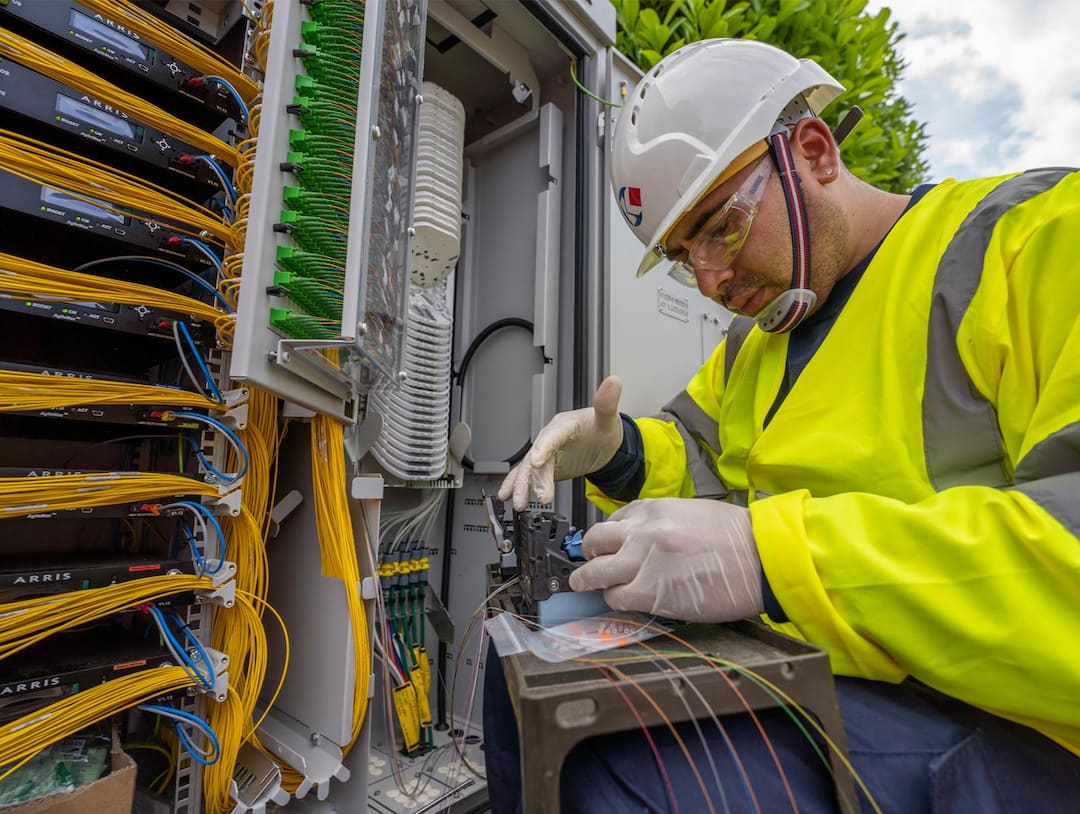
The copper sunset is the measure most customers will notice. Areas that meet sustainability criteria, including 95% fibre coverage of homes passed, could switch off copper earlier than the 2035 deadline. The Digital Networks Act therefore sets a clear end date while rewarding regions that build fibre faster.

Net neutrality remains practically unchanged, and the proposal makes no change to zero-rating rules. Internet access providers would file mandatory biennial reports instead of answering on request. The ex ante significant market power regime stays in place for wholesale access, including price controls, which will disappoint operators hoping for lighter regulation.

Cloud services are the most contested question. One analysis points to Article 9 as extending the general authorisation regime to cloud providers and content delivery networks, which would bring large digital platforms closer to telecom-style rules. Another summary of the proposal finds no cloud-specific provisions beyond supply chain security, so the Digital Networks Act may mean different things to different readers until the text settles.

On cooperation between network operators and large traffic generators, the Commission opts for a voluntary conciliation procedure backed by BEREC guidance. Content, application and cloud providers would take part in that dialogue. Both sides will test whether voluntary tools can settle disputes over who pays for network capacity.

A new Office for Digital Networks based in Riga would support BEREC and the Spectrum Board, and prepare an EU Preparedness Plan for Digital Infrastructures. The Commission also foresees about 40 implementing measures. With so much left to secondary legislation, the Digital Networks Act will face a long negotiation, and some provisions may not survive it.

For consumers, the change will arrive slowly. Implementation depends on about 40 implementing measures, guidance documents and reports, and national regulators must adapt to the new body. Anyone still on a copper line should expect operators to publish migration plans well before 2035 as the Digital Networks Act moves through the legislative process.