August 7, 2026
LATEST
Europe Locks Chinese Medical Devices Out of Its Public TendersHow Far Can Europe and Japan Take Their New Security Pact NowSeoul’s Gamble on Europe’s Research Money Is Starting to Pay OffEurope Freezes Its Retaliatory Tariffs on the US IndefinitelyAir Passenger Rights Get Their First Big Rewrite in 20 YearsFive Joint Defence Projects Win Brussels Backing and Shared CashTobacco Tax Overhaul Stalls as Governments Block UnanimityCritical Medicines Act Heads for Final Adoption This AutumnMoldova Accession Reaches Its Foreign-Policy ChapterMercosur Tariffs Fall as Europe’s Farmers Watch the GaugesWhy Europe’s Digital Fairness Act Worries Online RetailersErasmus+ Faces a Budget Fight Before Its 2028 RelaunchMedia Freedom Rules Turn One as Enforcement LagsPlatform Work Rules Push Member States Toward a December ReckoningSingle Ticket Plan Would Let One Booking Cover Europe by RailHungary Races an August Deadline to Unlock Its Recovery FundsCapitals Race a September Deadline to Restore NatureEuro-Zone Inflation Nudges Back Up as Energy Bills ClimbRed Bull Case Tests a New Frontier in EU AntitrustNew EU Packaging Rules Reach Shoppers as August Deadline HitsEurope Locks Chinese Medical Devices Out of Its Public TendersHow Far Can Europe and Japan Take Their New Security Pact NowSeoul’s Gamble on Europe’s Research Money Is Starting to Pay OffEurope Freezes Its Retaliatory Tariffs on the US IndefinitelyAir Passenger Rights Get Their First Big Rewrite in 20 YearsFive Joint Defence Projects Win Brussels Backing and Shared CashTobacco Tax Overhaul Stalls as Governments Block UnanimityCritical Medicines Act Heads for Final Adoption This AutumnMoldova Accession Reaches Its Foreign-Policy ChapterMercosur Tariffs Fall as Europe’s Farmers Watch the GaugesWhy Europe’s Digital Fairness Act Worries Online RetailersErasmus+ Faces a Budget Fight Before Its 2028 RelaunchMedia Freedom Rules Turn One as Enforcement LagsPlatform Work Rules Push Member States Toward a December ReckoningSingle Ticket Plan Would Let One Booking Cover Europe by RailHungary Races an August Deadline to Unlock Its Recovery FundsCapitals Race a September Deadline to Restore NatureEuro-Zone Inflation Nudges Back Up as Energy Bills ClimbRed Bull Case Tests a New Frontier in EU AntitrustNew EU Packaging Rules Reach Shoppers as August Deadline Hits
August 7, 2026
LATEST
Europe Locks Chinese Medical Devices Out of Its Public TendersHow Far Can Europe and Japan Take Their New Security Pact NowSeoul’s Gamble on Europe’s Research Money Is Starting to Pay OffEurope Freezes Its Retaliatory Tariffs on the US IndefinitelyAir Passenger Rights Get Their First Big Rewrite in 20 YearsFive Joint Defence Projects Win Brussels Backing and Shared CashTobacco Tax Overhaul Stalls as Governments Block UnanimityCritical Medicines Act Heads for Final Adoption This AutumnMoldova Accession Reaches Its Foreign-Policy ChapterMercosur Tariffs Fall as Europe’s Farmers Watch the GaugesWhy Europe’s Digital Fairness Act Worries Online RetailersErasmus+ Faces a Budget Fight Before Its 2028 RelaunchMedia Freedom Rules Turn One as Enforcement LagsPlatform Work Rules Push Member States Toward a December ReckoningSingle Ticket Plan Would Let One Booking Cover Europe by RailHungary Races an August Deadline to Unlock Its Recovery FundsCapitals Race a September Deadline to Restore NatureEuro-Zone Inflation Nudges Back Up as Energy Bills ClimbRed Bull Case Tests a New Frontier in EU AntitrustNew EU Packaging Rules Reach Shoppers as August Deadline HitsEurope Locks Chinese Medical Devices Out of Its Public TendersHow Far Can Europe and Japan Take Their New Security Pact NowSeoul’s Gamble on Europe’s Research Money Is Starting to Pay OffEurope Freezes Its Retaliatory Tariffs on the US IndefinitelyAir Passenger Rights Get Their First Big Rewrite in 20 YearsFive Joint Defence Projects Win Brussels Backing and Shared CashTobacco Tax Overhaul Stalls as Governments Block UnanimityCritical Medicines Act Heads for Final Adoption This AutumnMoldova Accession Reaches Its Foreign-Policy ChapterMercosur Tariffs Fall as Europe’s Farmers Watch the GaugesWhy Europe’s Digital Fairness Act Worries Online RetailersErasmus+ Faces a Budget Fight Before Its 2028 RelaunchMedia Freedom Rules Turn One as Enforcement LagsPlatform Work Rules Push Member States Toward a December ReckoningSingle Ticket Plan Would Let One Booking Cover Europe by RailHungary Races an August Deadline to Unlock Its Recovery FundsCapitals Race a September Deadline to Restore NatureEuro-Zone Inflation Nudges Back Up as Energy Bills ClimbRed Bull Case Tests a New Frontier in EU AntitrustNew EU Packaging Rules Reach Shoppers as August Deadline Hits

FIFA’s Agent Fee Cap Survives Europe’s Highest Court Challenge

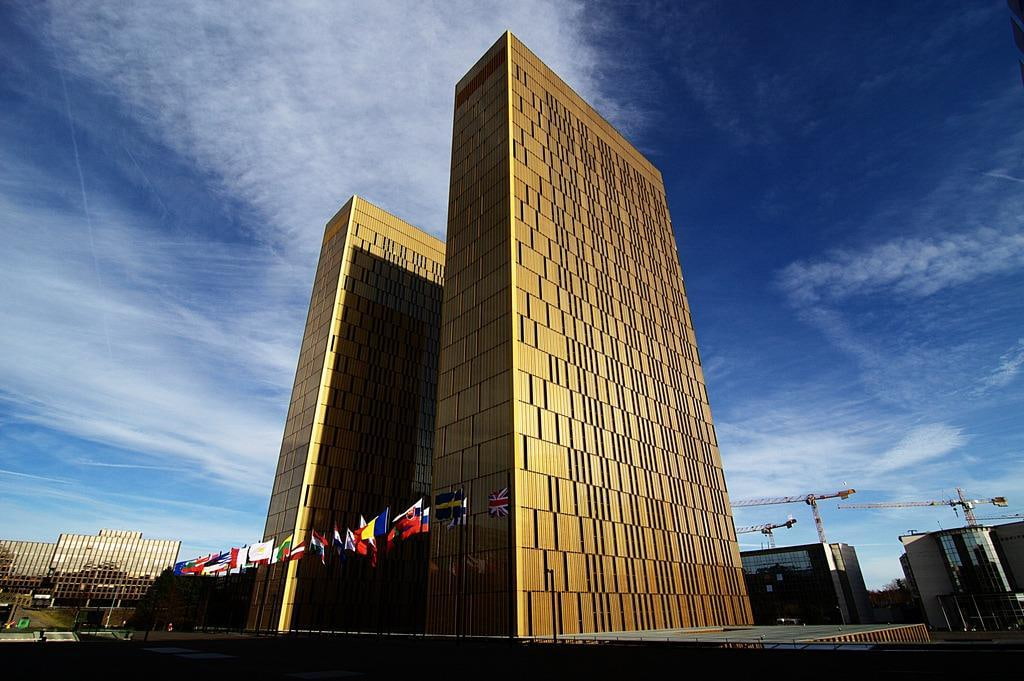
The Court of Justice of the European Union handed FIFA a partial victory this month, ruling that football’s world governing body may keep several of its most contested restrictions on football agents while abandoning others that clash with the single market. The judgment in Case C-209/23, delivered on 16 July 2026, settles years of legal skirmishing over how far a private sports federation can go in regulating a profession worth hundreds of millions of euros a year.

At the heart of the dispute sit the FIFA Football Agent Regulations, known as the FFAR. They impose a licensing exam, a cap on the commission agents may charge, a ban on representing more than one party in the same deal, and a rule that pushes clients rather than clubs to pay the fee. RRC Sports, a German agency, challenged the package before a national court, which sent the questions to Luxembourg.

The Court’s answer split neatly down the middle. Judges accepted that a licensing regime, the service-fee cap, the ban on multiple representation and the client-pays principle can, in principle, protect players, raise professional standards and keep transfers transparent. That reasoning hands FIFA the legal cover it wanted for the core of its reform.

The same ruling then drew a firm line. The Court held that other elements of the rulebook collide with EU competition law under Articles 101 and 102, with the freedom to provide services under Article 56, and with data-protection duties under the General Data Protection Regulation. A federation, the judges stressed, cannot use its private rule-making power to seize control of an entire market or to demand personal data beyond what its stated aims require.

For the agents who have fought the FFAR across national courts and arbitration panels, the decision opens real room to manoeuvre. Each contested provision must now pass a case-by-case proportionality test, and national judges will decide whether FIFA’s justifications hold in practice. FIFA itself welcomed the outcome, reading it as an endorsement of its licensing model.

The ruling matters far beyond football. It extends a line of case law, running through the Bosman and Super League decisions, that treats sport as an economic activity fully subject to EU law. Brussels institutions have grown ever more willing to test whether governing bodies wield their authority for the public good or for their own commercial advantage.

It also lands as the Commission weighs how EU rules should apply to the wider business of sport, from broadcasting deals to the governance of clubs. Lawyers expect a wave of follow-on litigation as agents probe which parts of the FFAR can still bite. Analysts at Inside World Football called the judgment a decision that leaves FIFA in limbo while handing agents fresh openings.

For now the fee cap survives, but its future rests with the national courts that must apply the Luxembourg test. FIFA has the principle it sought; its opponents have the openings they need. Europe’s judges, once again, have proved the decisive referee in a fight football could not settle on its own.