November 12, 2026
LATEST
Gambia Presidential Election Draws EU Observers Across the CountryUK-EU Agri-Food Deal Nears Summit as British Farmers Seek GuaranteesMarine Protected Areas Shield Under 1 percent of EU Waters, Auditors WarnProtect What Matters Campaign Brings EU Defence Case to Ten StatesAgricultural Output Value Climbs to €562.5 Billion in Record 2025ENISA Cybersecurity Report Finds Response Teams LaggingEIC Work Programme 2027 Puts €1.8 Billion Into Deep TechLeaders Put AI Sovereignty at the Centre of Friday TalksWomen in Farming Platform Meets in Brussels to Tackle Funding GapsBeating Cancer Plan Review Tests EPP Unity on Tobacco and AlcoholEl Niño Anticipatory Aid Puts Somalia First in EU Crisis PlanningQatar Defence Cooperation Gives Brussels a Gulf Opening After DelayMongolia Geographical Indications Talks Test a Third Neighbour BetWang Yi Courts Paris as EU-China Trade Ties Near a November TestSouth China Sea Code Deadline Leaves Europe Watching the Manila SummitBrussels Weighs a New Zealand Climate Complaint Under Its Trade PactGenerational Renewal in Farming Moves Up Irish Presidency AgendaOACPS-EU Joint Parliamentary Assembly Presses Brussels on Fair TradeEIB Investment Survey Shows 85% of EU Firms Kept on SpendingDSA Election Guidelines Bring Deepfake Labels to Video FeedsGambia Presidential Election Draws EU Observers Across the CountryUK-EU Agri-Food Deal Nears Summit as British Farmers Seek GuaranteesMarine Protected Areas Shield Under 1 percent of EU Waters, Auditors WarnProtect What Matters Campaign Brings EU Defence Case to Ten StatesAgricultural Output Value Climbs to €562.5 Billion in Record 2025ENISA Cybersecurity Report Finds Response Teams LaggingEIC Work Programme 2027 Puts €1.8 Billion Into Deep TechLeaders Put AI Sovereignty at the Centre of Friday TalksWomen in Farming Platform Meets in Brussels to Tackle Funding GapsBeating Cancer Plan Review Tests EPP Unity on Tobacco and AlcoholEl Niño Anticipatory Aid Puts Somalia First in EU Crisis PlanningQatar Defence Cooperation Gives Brussels a Gulf Opening After DelayMongolia Geographical Indications Talks Test a Third Neighbour BetWang Yi Courts Paris as EU-China Trade Ties Near a November TestSouth China Sea Code Deadline Leaves Europe Watching the Manila SummitBrussels Weighs a New Zealand Climate Complaint Under Its Trade PactGenerational Renewal in Farming Moves Up Irish Presidency AgendaOACPS-EU Joint Parliamentary Assembly Presses Brussels on Fair TradeEIB Investment Survey Shows 85% of EU Firms Kept on SpendingDSA Election Guidelines Bring Deepfake Labels to Video Feeds

Horizon Europe 2028-2034 Funding Clash Reaches Parliament

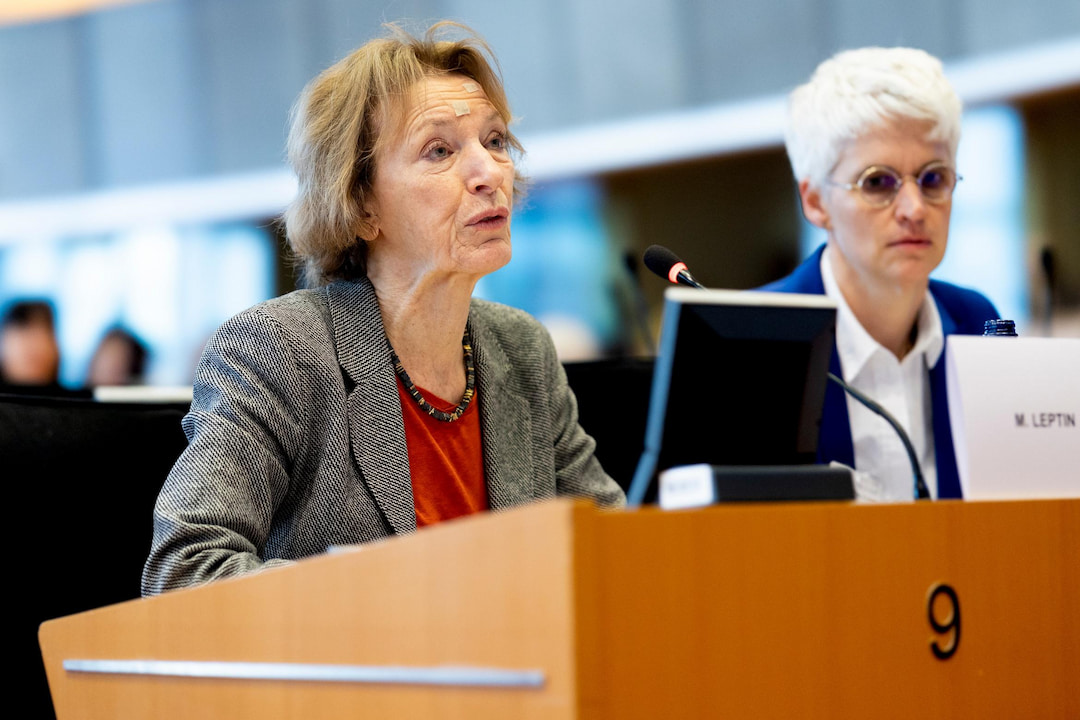
Horizon Europe 2028-2034 has moved from Commission blueprint to parliamentary bargaining chip, and the gap between what MEPs want and what capitals will pay keeps widening. The Industry, Research and Energy (ITRE) committee took up the programme on 10 November. Christian Ehler (EPP) steers the main regulation, while René Repasi (S&D) leads on the specific programme that implements it.

The stakes are large. The Commission proposed €175 billion in current prices in July 2025, close to double the €93.5 billion left in the current framework programme after its mid-term review. For research ministries and universities, Horizon Europe 2028-2034 is the biggest single test of whether Europe treats science as a competitiveness tool or as a line to trim.

Parliament’s negotiators want more, not less. Ehler and Repasi have repeatedly called for at least €200 billion. Reports of a 30 October compromise among the political groups also describe a dedicated €32.5 billion line for the European Innovation Council, which would hard-wire support for deep-tech start-ups into the legal text.

The Council is pulling the other way. The Irish presidency’s negotiating box for the 2028-2034 multiannual financial framework, circulated on 10 October, sets a total of €1.62 trillion in 2025 prices, about 8 percent below the Commission. Within that envelope, the presidency puts Horizon Europe 2028-2034 at €158.2 billion in current prices, or €16.8 billion less than the Commission proposal.

The presidency box also sketches how the money would be split. Excellent science, home to the European Research Council and the Marie Skłodowska-Curie Actions, would receive €35.3 billion in 2025 prices, while the competitiveness and society pillar would take €60.7 billion. Innovation would get €31.0 billion and the European Research Area €13.0 billion, including €4.3 billion to widen participation by lower-performing member states.

Parliament’s lead budget negotiators, Siegfried Mureșan and Carla Tavares, have said the Irish box cannot serve as the starting point for talks. Ehler and Repasi described the proposed research cuts as unacceptable. University networks agree: the European University Association calculates that the presidency figure falls €41.8 billion short of its own €200 billion target.

Why does the gap matter so much? The Guild of research universities points out that around 75 percent of high-quality Horizon proposals already go unfunded. Every billion removed from Horizon Europe 2028-2034 widens that pool of excellent but rejected projects and pushes some researchers toward national schemes or partners outside the Union.

There is also a structural fight. ITRE handled Horizon Europe 2028-2034 alongside the new European Competitiveness Fund, with Ehler and Dan Nica (S&D) as co-rapporteurs on the fund. The Commission wants the two instruments to work in tandem, but many MEPs fear that bundling research with industrial policy could let short-term deployment priorities crowd out curiosity-driven science.

The committee’s choices also shape European Partnerships, the co-funded schemes that bring industry, member states and the Commission into joint research agendas. Their governance and flexibility will decide whether the programme can respond quickly to new technologies such as quantum computing, artificial intelligence and advanced materials.

The calendar is tight. The full Parliament is due to take up the reports at its 23 November plenary, which would give MEPs a mandate for talks on Horizon Europe 2028-2034 with the Council. European Council President António Costa wants the elements of an overall budget deal by the end of 2026, yet sectoral negotiations are unlikely to start in earnest before January 2027.

Unanimity among the 27 governments is required for the long-term budget, and Parliament must give its consent. That double lock gives MEPs leverage, but it also means research funding will be traded against farm payments, cohesion money and defence spending. German Chancellor Friedrich Merz has already warned that the next budget must remain affordable.

For laboratories, universities and innovative firms, the outcome will set funding conditions from January 2028 well into the next decade. Whether Horizon Europe 2028-2034 ends nearer €158 billion or €200 billion will show how seriously the EU takes its own competitiveness agenda. The coming weeks of Parliament votes and Council haggling will set that direction.