A bacterium that has no cure and a long list of victims is about to draw Europe’s plant-health community to southern Italy. The food-safety authority will host its fifth European conference on Xylella fastidiosa from 23 to 25 June in Bari, the city at the heart of an epidemic that has reshaped the landscapes of Puglia. The gathering is a reminder that for all the bloc’s attention to industrial and digital threats, one of its most stubborn security problems is a microscopic organism spread by sap-sucking insects through olive groves, vineyards and almond orchards.
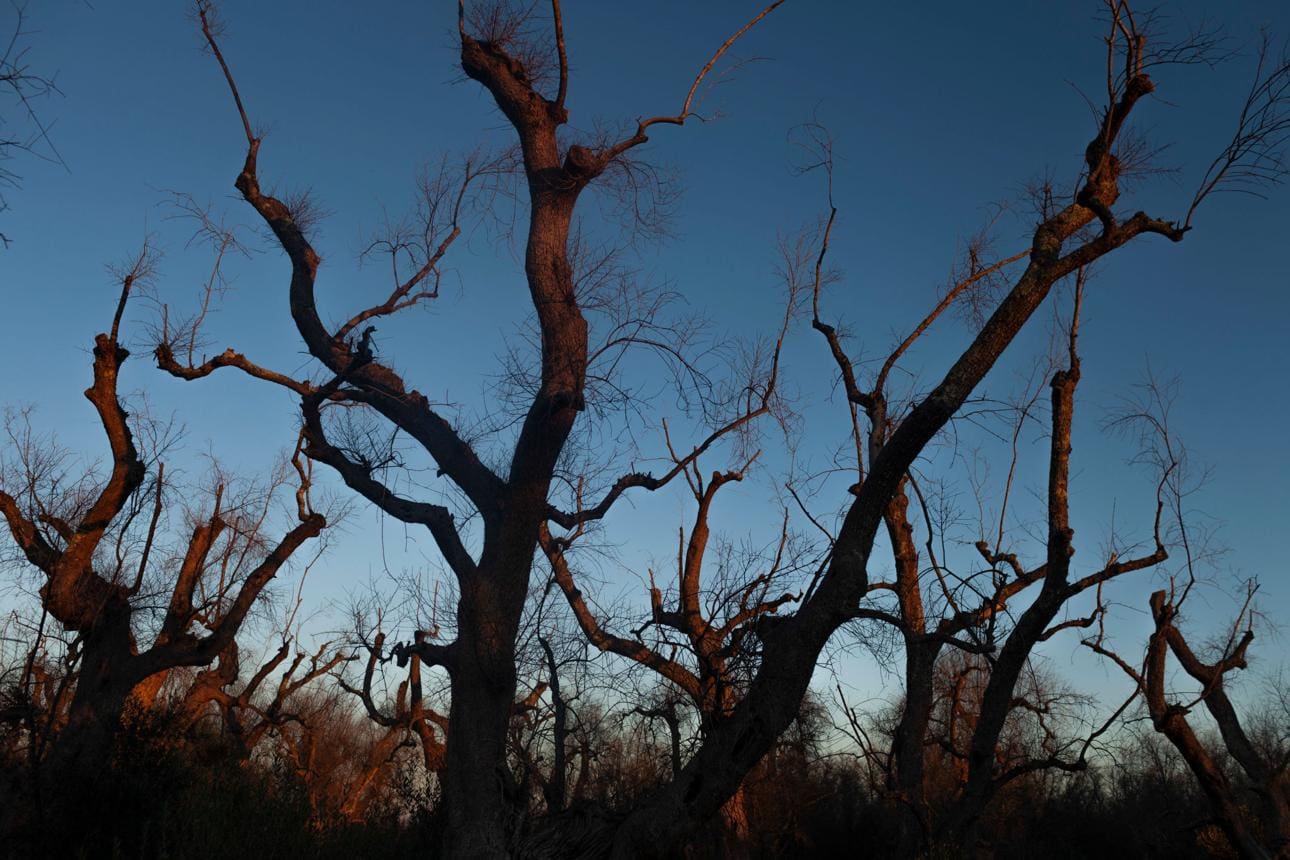
Xylella earns its notoriety by being almost impossible to eradicate once established. The bacterium colonises the vessels that carry water through a plant, slowly choking it, and there is no treatment that clears an infected tree. Control therefore means containment rather than cure, the unglamorous and often brutal work of felling host plants, restricting the movement of nursery stock, and monitoring the insect vectors that carry the disease from one host to the next. In the worst-hit zones of southern Italy that has meant the loss of ancient olive trees, with the economic and emotional toll on growers that such destruction implies.
The conference is built around translating science into the messy reality of management. Researchers will present advances in detecting the bacterium earlier, understanding how epidemics spread, and developing more sustainable ways to keep them in check, including the social dimension of asking farmers to destroy their own livelihoods for the collective good. Plant-protection officials from Italy, Spain, France and Portugal, the front-line states currently managing outbreaks of different strains, are due to report on how the bloc’s containment regulation actually performs when applied to real groves under real pressure.
That regulatory backdrop is what gives the disease its European character. Xylella is a quarantine organism under the bloc’s plant-health rules, which means an outbreak in one member state triggers obligations that ripple across the single market, from movement restrictions on plants to surveillance duties for neighbouring countries. A pathogen that respects no border forces a common response, and the friction between a grower facing the loss of a heritage orchard and an official enforcing a continent-wide containment line is precisely the tension the conference exists to manage.
The stakes reach well beyond Puglia’s olives. The bacterium has a wide range of potential hosts and a documented ability to jump into new crops and climates, which is why plant-health experts treat every new detection as a warning rather than an isolated event. Warmer conditions extend the range of the insects that spread it, and a single infected consignment of ornamental plants can seed an outbreak hundreds of kilometres from the last. For a bloc that imports and trades plant material at enormous volume, the disease is a standing test of whether its biosecurity defences can move as fast as the threat.
What makes the Bari meeting more than an academic exercise is its link to policy. The findings that emerge are meant to feed directly into how the bloc calibrates its rules, weighing the cost of aggressive containment against the risk of letting the bacterium spread. That is the quiet, technical end of food security, far from the headlines about trade and subsidies, but no less consequential. A continent that cannot protect its olive groves and vineyards from a creeping bacterial blight would discover that its agricultural heritage is more fragile than its politics usually admit.