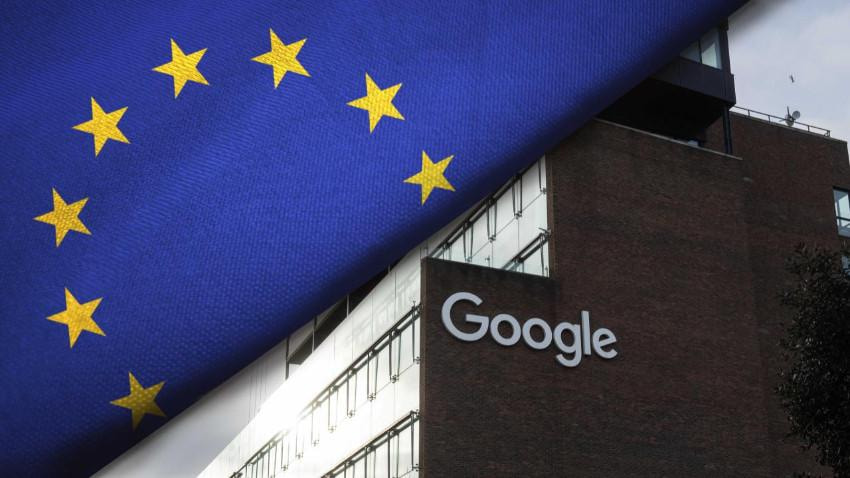
A decade of skirmishing between large online platforms and European press publishers reached a decisive turn last week when the Court of Justice of the European Union ruled in Case C-797/23 that Italy’s compensation scheme for press content used by intermediaries is compatible with EU law. The judgment, handed down on 12 May, rejected Meta’s challenge to a decree empowering AGCOM, the Italian communications regulator, to define fair remuneration, intervene when bilateral talks fail and demand the underlying usage data from platforms. It is the first time the bloc’s highest court has confronted, head-on, whether member states may compel platforms to pay for press content — and the answer is unambiguous.
The legal anchor is the 2019 Directive on Copyright in the Digital Single Market, whose Article 15 created a neighbouring right for press publishers but left enforcement architecture to national legislatures. Italy’s transposition went further than most, granting AGCOM both arbitration and information-gathering powers. Meta’s argument that this regulatory layer exceeded what the directive authorised was rejected. The Court reasoned that the directive’s objective — securing genuine remuneration in markets where bargaining asymmetry is structural — would be undermined if member states were prohibited from giving regulators meaningful tools to police it.
The practical consequence is that platforms can no longer treat the press publisher right as a contractual ornament to be negotiated, or refused, at their discretion. National regulators in Madrid, Paris and Berlin now have a Luxembourg-blessed template they can borrow, particularly the data-access provisions that have historically been the weak point of remuneration regimes. Without the ability to inspect how platforms surface, snippet and monetise press content, regulators were effectively negotiating in the dark. The CJEU has now confirmed that the dark is not where this market is supposed to operate.
For Brussels policymakers, the ruling lands at a politically delicate moment. The Commission has spent the past eighteen months attempting to recalibrate its relationship with US technology platforms amid trade tensions, and a confirmation that EU law not only permits but supports muscular national enforcement gives the bloc additional regulatory leverage without requiring fresh legislation. The Digital Services Act and the Digital Markets Act provided the headline architecture; the Meta-AGCOM judgment fills in a missing piece by clarifying that copyright enforcement is part of the same regulatory continuum.
Resistance from the platform side will likely shift from challenging the legal basis to contesting the methodology of remuneration calculations. AGCOM’s decree leaves significant discretion over how fair compensation is measured, and the next generation of disputes will turn on inputs — traffic share, advertising attribution, the marginal value of news content within a feed — rather than on whether payment is owed at all. Expect a wave of methodological litigation across member states in the coming year as platforms test the boundaries of the new equilibrium.
The judgment also sharpens a longer European argument about the political economy of journalism. Press publishers have spent two decades watching advertising revenues migrate to platforms whose distribution rests, at the margin, on their content. The Court has now confirmed that the EU’s legal order recognises this dependence as a regulatable market failure rather than a private commercial dispute. That recognition, more than any individual payment, is what will reshape the bargaining table.