
September 16, 2026
LATEST
Auditors Question the rescEU Budget Before the Fleet ArrivesDuty-Free Access for Armenian Exports Comes With a Conditions ListA Mirror Measure Closed Europe to Brazilian Meat in One DayEurope’s Creative Sectors Wait on an AI Strategy DraftSoftware Makers Face Europe’s Product Liability Deadline in DecemberMetro 3 Overran by 477 Percent and the Line Sits FrozenCage-Free Promises Land Before the Transport File Is FinishedTwo New Calls Will Test How Flexible Horizon Europe Really IsEurope’s Innovation Act Counts 10 Billion It Has Not Found YetProcurement Is the Chapter That Could Stall the Thailand DealMobility Week Returns With a Test of Intergenerational FairnessMinisters Debate the Chips Act Next Week With No Money AttachedTaiwan Wants Tax Treaties That Brussels Has No Power to SignNorth Korea Now Earns From Europe Without Shipping AnythingPalm Oil Is the Last Hard Question Before the Indonesia SigningCan One Year Deliver Both a Trade Deal and a Sea CodeVietnam Reached Europe’s Top Partnership Tier With Little DetailLeaked Draft Puts Europe’s Social Media Age Limit at FifteenFP10 Clears Committee and the Budget Gap Stays Wide OpenA Ceuta Debate Whose Title Has Already Reached a VerdictAuditors Question the rescEU Budget Before the Fleet ArrivesDuty-Free Access for Armenian Exports Comes With a Conditions ListA Mirror Measure Closed Europe to Brazilian Meat in One DayEurope’s Creative Sectors Wait on an AI Strategy DraftSoftware Makers Face Europe’s Product Liability Deadline in DecemberMetro 3 Overran by 477 Percent and the Line Sits FrozenCage-Free Promises Land Before the Transport File Is FinishedTwo New Calls Will Test How Flexible Horizon Europe Really IsEurope’s Innovation Act Counts 10 Billion It Has Not Found YetProcurement Is the Chapter That Could Stall the Thailand DealMobility Week Returns With a Test of Intergenerational FairnessMinisters Debate the Chips Act Next Week With No Money AttachedTaiwan Wants Tax Treaties That Brussels Has No Power to SignNorth Korea Now Earns From Europe Without Shipping AnythingPalm Oil Is the Last Hard Question Before the Indonesia SigningCan One Year Deliver Both a Trade Deal and a Sea CodeVietnam Reached Europe’s Top Partnership Tier With Little DetailLeaked Draft Puts Europe’s Social Media Age Limit at FifteenFP10 Clears Committee and the Budget Gap Stays Wide OpenA Ceuta Debate Whose Title Has Already Reached a Verdict
September 16, 2026
LATEST
Auditors Question the rescEU Budget Before the Fleet ArrivesDuty-Free Access for Armenian Exports Comes With a Conditions ListA Mirror Measure Closed Europe to Brazilian Meat in One DayEurope’s Creative Sectors Wait on an AI Strategy DraftSoftware Makers Face Europe’s Product Liability Deadline in DecemberMetro 3 Overran by 477 Percent and the Line Sits FrozenCage-Free Promises Land Before the Transport File Is FinishedTwo New Calls Will Test How Flexible Horizon Europe Really IsEurope’s Innovation Act Counts 10 Billion It Has Not Found YetProcurement Is the Chapter That Could Stall the Thailand DealMobility Week Returns With a Test of Intergenerational FairnessMinisters Debate the Chips Act Next Week With No Money AttachedTaiwan Wants Tax Treaties That Brussels Has No Power to SignNorth Korea Now Earns From Europe Without Shipping AnythingPalm Oil Is the Last Hard Question Before the Indonesia SigningCan One Year Deliver Both a Trade Deal and a Sea CodeVietnam Reached Europe’s Top Partnership Tier With Little DetailLeaked Draft Puts Europe’s Social Media Age Limit at FifteenFP10 Clears Committee and the Budget Gap Stays Wide OpenA Ceuta Debate Whose Title Has Already Reached a VerdictAuditors Question the rescEU Budget Before the Fleet ArrivesDuty-Free Access for Armenian Exports Comes With a Conditions ListA Mirror Measure Closed Europe to Brazilian Meat in One DayEurope’s Creative Sectors Wait on an AI Strategy DraftSoftware Makers Face Europe’s Product Liability Deadline in DecemberMetro 3 Overran by 477 Percent and the Line Sits FrozenCage-Free Promises Land Before the Transport File Is FinishedTwo New Calls Will Test How Flexible Horizon Europe Really IsEurope’s Innovation Act Counts 10 Billion It Has Not Found YetProcurement Is the Chapter That Could Stall the Thailand DealMobility Week Returns With a Test of Intergenerational FairnessMinisters Debate the Chips Act Next Week With No Money AttachedTaiwan Wants Tax Treaties That Brussels Has No Power to SignNorth Korea Now Earns From Europe Without Shipping AnythingPalm Oil Is the Last Hard Question Before the Indonesia SigningCan One Year Deliver Both a Trade Deal and a Sea CodeVietnam Reached Europe’s Top Partnership Tier With Little DetailLeaked Draft Puts Europe’s Social Media Age Limit at FifteenFP10 Clears Committee and the Budget Gap Stays Wide OpenA Ceuta Debate Whose Title Has Already Reached a Verdict

Can a Single Ocean Act Replace the Maritime Rulebook of 2014

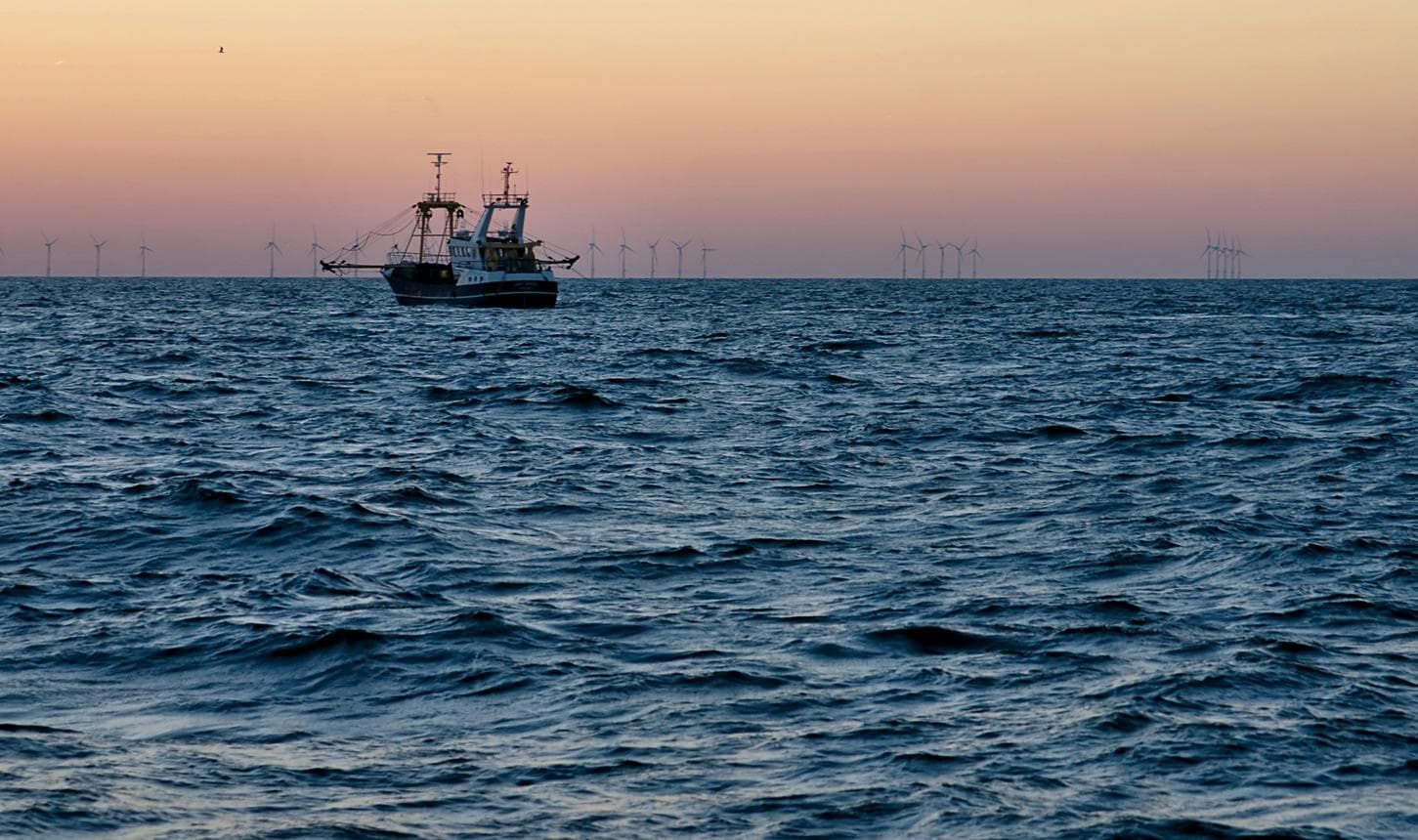
Ostend: Fishing fleets, offshore wind developers, ferry operators and marine reserves all want the same squares of water, and the European Commission plans to settle that contest with a single Ocean Act it intends to table in the final quarter of 2026.

The Ocean Act rewrites Directive 2014/89 on maritime spatial planning, the instrument that obliged coastal member states to draw up plans allocating sea space among competing uses. Twelve years on, the Commission argues that the directive no longer matches what the sea is asked to carry. It closed a public consultation on 16 July and set out the exercise in its call for views on the act.

The pressure is easy to measure. Offshore wind capacity has multiplied since the directive entered force, undersea cables and interconnectors now cross the same corridors, and member states have committed to protecting a far larger share of their waters. Each commitment was made separately. Each one claims space. National plans drawn under the old directive rarely speak to one another across a shared basin, so a wind zone on one side of a maritime border can sit against a conservation area on the other.

The Commission wants one framework that carries the economic, environmental, climate and security objectives together. That ambition comes from the European Ocean Pact, adopted last year, which grouped EU maritime policy under six priorities covering ocean health, the blue economy, coastal communities, research, maritime security and international governance. The Ocean Pact promised the act as its legislative delivery.

Security explains part of the urgency. Damage to pipelines and data cables in the Baltic has turned seabed infrastructure into a defence question, and planners who once balanced fish against turbines now balance both against the need to keep critical assets watched and reachable. A spatial plan that ignores that is a plan the navy cannot use.

Coastal communities make the harder case. Fishing ports have watched grounds close for conservation and close again for construction, and they have limited appetite for a new planning layer written in Brussels. The Ocean Act will only earn their support if it gives them a seat at the table rather than a consultation window after the lines are drawn. The Commission has promised a separate strategy on coastal community resilience this year, which suggests it knows the politics.

Member states will guard their competence. Maritime spatial planning touches territorial waters and exclusive economic zones, areas where governments treat EU direction warily. Expect capitals to accept common objectives and resist common procedures, the familiar shape of a Council negotiation on anything involving national territory.

The legal design matters more than the rhetoric. If the act merely restates the Ocean Pact priorities as planning considerations, national authorities will weigh them however they already weigh them and little changes. If it sets binding sequencing rules, cross-border consultation duties or a mechanism to resolve conflicts between neighbouring plans, it becomes a real instrument and a real fight.

Nothing arrives before the proposal lands. Parliament and Council will then spend the better part of two years on it, which puts application somewhere near the end of the decade, at the same moment the offshore build-out reaches its peak. Planners who need certainty now will keep working from the 2014 rules for years yet.