Montreal: The EU settled its line for the COP17 biodiversity summit on 12 October 2026, promising to defend the goal of protecting at least 30% of land and sea by 2030 that governments adopted in the global biodiversity framework. The UN conference opens in Yerevan, Armenia, on 19 October 2026 and runs until 30 October 2026. The Council approved conclusions that set out the bloc’s main negotiating position.
The same conclusions cover COP31, the UN climate summit due in Antalya, Türkiye, from 9 to 20 November 2026. On 9 October 2026, the Council had already approved conclusions on climate finance that complement the COP31 position. Together the texts give Irish ministers, who hold the rotating Council presidency, a mandate for two summits in five weeks.
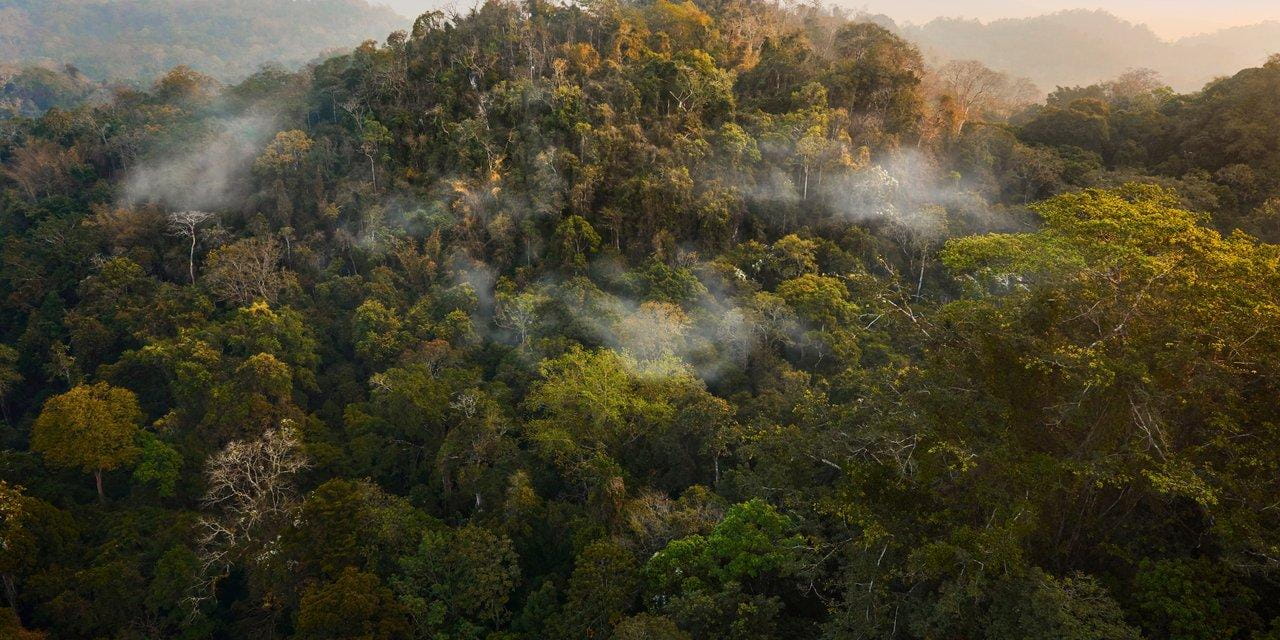
For the COP17 biodiversity summit, the EU will stress the need to speed up action toward the targets of the global biodiversity framework agreed at COP15 in 2022. Those targets include the 30% protection goal for land and sea. Ministers want biodiversity mainstreamed across all policies and sectors, grounded in solid scientific evidence.
Money forms the second pillar of the EU position for the COP17 biodiversity summit. The EU will call for more public and private funding, including innovative approaches such as high-integrity nature credits. That wording shows the bloc wants private capital to work alongside public budgets as the 2030 deadline draws closer.
Christopher O’Sullivan, Ireland’s Minister of State for Nature, Heritage and Biodiversity, said the EU remains committed to positive biodiversity outcomes at the COP17 biodiversity summit. He argued that the ambition agreed under the global framework must not be lowered, and he called for faster global action and renewed efforts to mainstream biodiversity across the economy and society.
Darragh O’Brien, Ireland’s Minister for Climate, Energy and the Environment, framed the package around delivery. “The moment to act is now,” he said, adding that COP31 must turn commitments into tangible results. He said the EU is ready to lead on the transition away from fossil fuels and faster clean energy deployment.
The climate language is blunt. Ministers acknowledged that the Paris Agreement’s 1.5°C goal is likely to be exceeded, and they called for urgent action to return to a 1.5°C pathway through an overshoot-peak-decline route. The EU will also press for missing national climate plans, known as NDCs, to be submitted urgently, and it wants COP31 to set the direction for the second global stocktake.
Both the EU and its member states are parties to the two conventions, which frames their role at the COP17 biodiversity summit. The rotating Council presidency and the European Commission represent the bloc at the conferences, according to the Council press release. That arrangement means the Irish presidency will carry the 2026 mandate into the negotiating rooms.
For readers tracking Brussels, the COP17 biodiversity summit is the first test of whether the 30% goal survives the funding debate. The Council says its focus at both COPs is turning commitments into concrete action within the UN framework, and the next two weeks in Yerevan will show how far other parties share that aim.