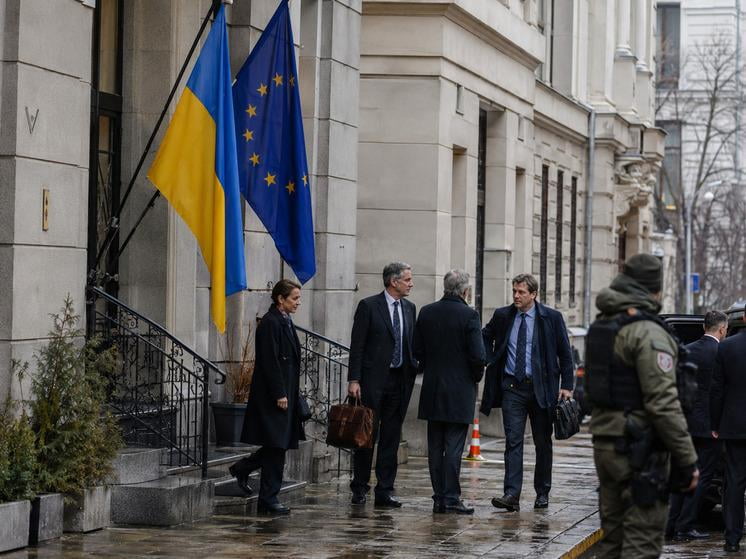
Warsaw: Poland border controls on the German and Lithuanian frontiers will continue until 30 March 2027 after the Interior Ministry announced a six-month extension on 1 October 2026, citing pressure from irregular migration. The new period starts on 1 October 2026 and keeps checks in place at two of the busiest crossings in the Schengen area.
“Border controls are an effective tool for reducing illegal migration,” the Ministry of the Interior and Administration said, adding that expanding measures to strengthen them “will help maintain control over migration flows and enhance border security,” according to Reform News.
Poland first introduced the checks on 7 July 2025 in response to increased migration flows from Belarus. Poland has therefore kept internal checks in place for more than a year, and the ministry announced the latest extension on a Thursday. Since then, officers have refused entry to nearly 1,300 people at the Lithuanian border and to about 1,200 people at the German border. On the Lithuanian side, more than 130 people were detained for helping others cross illegally.
The scale of the Poland border controls operation is large. Between July 2025 and March 2026 officers checked more than 2.83 million people and 1.4 million vehicles, according to Global Banking and Finance. Poland operates 50 checkpoints along the German border and 13 along the Lithuanian border, Reform News reported.
Poland border controls rest on the Schengen Borders Code. Under that law, member states may reintroduce internal border checks temporarily when they face a serious threat to public order or internal security, and they must notify the European Commission and the other member states. Brussels can then assess whether the measures are necessary and proportionate.
The extension matters well beyond the border posts, because Poland border controls touch daily travel across 63 checkpoints in total. Cross-border commuters, hauliers and tourists use the crossings every day, and each additional month of checks affects travel times and logistics between Poland, Germany and the Baltic states. It also tests the Schengen promise of passport-free movement at a time when several governments favour tougher controls.
For travellers, the practical effect is simple: officers can stop and question people at any of those crossings, check identity documents and vehicles, and refuse entry when the legal conditions are not met. Reform News also reported 118,000 personnel deployments at the Lithuanian border and 211,000 at the German border, which shows how much staff the checks absorb. The ministry links the whole system to migration flows from Belarus, so the German and Lithuanian crossings carry the cost of a pressure point on the EU’s eastern frontier.
Whether Poland border controls are renewed again after 30 March 2027 will depend on migration pressure from Belarus and on Commission scrutiny of necessity and proportionality, the two tests that Schengen rules apply to every internal border check.