October 8, 2026
LATEST
Sudan Humanitarian Aid Pledges Meet A War With No End In SightArmenia Visa Liberalisation Moves Into Its Next Brussels TestVenezuela EU Relations Thaw As Oil And Aid Test BrusselsSwitzerland EU Treaty Package Clears A Key European Parliament HurdlePoland Border Controls Stay Until March 2027 As Warsaw Cites BelarusFrench Bond Yields Near 5 percent And Expose Limits Of The ECB BackstopPortugal Defends Cohesion As EU Budget Contributions SplitAnti-SLAPP Directive Gaps Shadow Politkovskaya AnniversaryApple DMA Compliance Faces Brussels Test As New App Fees StartUkraine Minority Education Bill Tests Hungary’s New ToneMoldova EU Accession Gets A €157 Million Reform PayoutSingle Market Exclusion Power Gives Brussels A China LeverSnap Election In Spain Turns Housing Into The Ballot IssueRetail Trade Volume Drops 0.6 percent As German Shoppers RetreatDemocratic Participation Draws 484 Irish Consultation SubmissionsEducation Ministers Gather In Dublin To Test The Union Of SkillsEurojust Regulation Overhaul Seeks €119 Million And 87 New PostsEU Space Act Awaits Parliament Verdict As 2030 Date LoomsChile Interim Trade Agreement Anchors Europe’s Lithium And HydrogenAustralia Trade Agreement Tests Brussels On Beef Quotas And LithiumSudan Humanitarian Aid Pledges Meet A War With No End In SightArmenia Visa Liberalisation Moves Into Its Next Brussels TestVenezuela EU Relations Thaw As Oil And Aid Test BrusselsSwitzerland EU Treaty Package Clears A Key European Parliament HurdlePoland Border Controls Stay Until March 2027 As Warsaw Cites BelarusFrench Bond Yields Near 5 percent And Expose Limits Of The ECB BackstopPortugal Defends Cohesion As EU Budget Contributions SplitAnti-SLAPP Directive Gaps Shadow Politkovskaya AnniversaryApple DMA Compliance Faces Brussels Test As New App Fees StartUkraine Minority Education Bill Tests Hungary’s New ToneMoldova EU Accession Gets A €157 Million Reform PayoutSingle Market Exclusion Power Gives Brussels A China LeverSnap Election In Spain Turns Housing Into The Ballot IssueRetail Trade Volume Drops 0.6 percent As German Shoppers RetreatDemocratic Participation Draws 484 Irish Consultation SubmissionsEducation Ministers Gather In Dublin To Test The Union Of SkillsEurojust Regulation Overhaul Seeks €119 Million And 87 New PostsEU Space Act Awaits Parliament Verdict As 2030 Date LoomsChile Interim Trade Agreement Anchors Europe’s Lithium And HydrogenAustralia Trade Agreement Tests Brussels On Beef Quotas And Lithium
October 8, 2026
LATEST
Sudan Humanitarian Aid Pledges Meet A War With No End In SightArmenia Visa Liberalisation Moves Into Its Next Brussels TestVenezuela EU Relations Thaw As Oil And Aid Test BrusselsSwitzerland EU Treaty Package Clears A Key European Parliament HurdlePoland Border Controls Stay Until March 2027 As Warsaw Cites BelarusFrench Bond Yields Near 5 percent And Expose Limits Of The ECB BackstopPortugal Defends Cohesion As EU Budget Contributions SplitAnti-SLAPP Directive Gaps Shadow Politkovskaya AnniversaryApple DMA Compliance Faces Brussels Test As New App Fees StartUkraine Minority Education Bill Tests Hungary’s New ToneMoldova EU Accession Gets A €157 Million Reform PayoutSingle Market Exclusion Power Gives Brussels A China LeverSnap Election In Spain Turns Housing Into The Ballot IssueRetail Trade Volume Drops 0.6 percent As German Shoppers RetreatDemocratic Participation Draws 484 Irish Consultation SubmissionsEducation Ministers Gather In Dublin To Test The Union Of SkillsEurojust Regulation Overhaul Seeks €119 Million And 87 New PostsEU Space Act Awaits Parliament Verdict As 2030 Date LoomsChile Interim Trade Agreement Anchors Europe’s Lithium And HydrogenAustralia Trade Agreement Tests Brussels On Beef Quotas And LithiumSudan Humanitarian Aid Pledges Meet A War With No End In SightArmenia Visa Liberalisation Moves Into Its Next Brussels TestVenezuela EU Relations Thaw As Oil And Aid Test BrusselsSwitzerland EU Treaty Package Clears A Key European Parliament HurdlePoland Border Controls Stay Until March 2027 As Warsaw Cites BelarusFrench Bond Yields Near 5 percent And Expose Limits Of The ECB BackstopPortugal Defends Cohesion As EU Budget Contributions SplitAnti-SLAPP Directive Gaps Shadow Politkovskaya AnniversaryApple DMA Compliance Faces Brussels Test As New App Fees StartUkraine Minority Education Bill Tests Hungary’s New ToneMoldova EU Accession Gets A €157 Million Reform PayoutSingle Market Exclusion Power Gives Brussels A China LeverSnap Election In Spain Turns Housing Into The Ballot IssueRetail Trade Volume Drops 0.6 percent As German Shoppers RetreatDemocratic Participation Draws 484 Irish Consultation SubmissionsEducation Ministers Gather In Dublin To Test The Union Of SkillsEurojust Regulation Overhaul Seeks €119 Million And 87 New PostsEU Space Act Awaits Parliament Verdict As 2030 Date LoomsChile Interim Trade Agreement Anchors Europe’s Lithium And HydrogenAustralia Trade Agreement Tests Brussels On Beef Quotas And Lithium

Single Market Exclusion Power Gives Brussels A China Lever

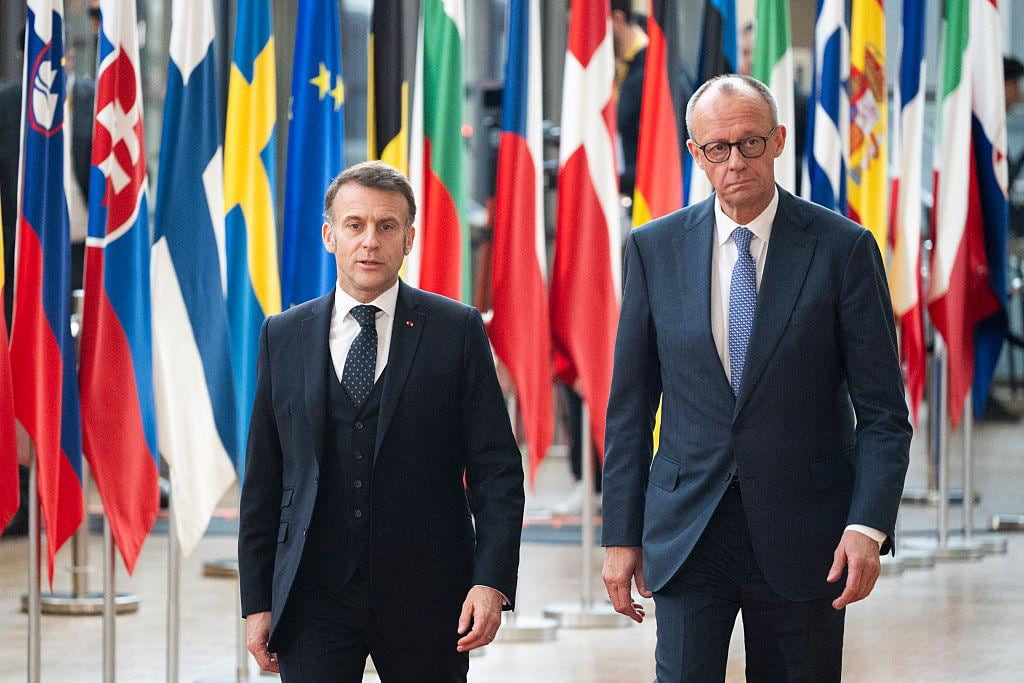
Germany and France want the European Commission to hold a power that does not exist today: single market exclusion for countries that undermine fair trade. President Emmanuel Macron and Chancellor Friedrich Merz set out the idea in a letter to Commission President Ursula von der Leyen on 5 October. The proposal targets unfair trade practices, and China is the implied target.

The two leaders ask for “a credible instrument in the hands of the Commission” that allows decisive and systematic responses. Those responses would go up to and including immediate exclusion from the single market, should this prove necessary. The language is unusually blunt for a Franco-German trade letter.

The letter says the tool would apply when third countries deliberately undermine the restoration of a level playing field, through subsidies, exchange rate manipulation or other market distortions. Reports say single market exclusion could reach individual companies as well as whole countries.

On procedure, the Commission would propose activation and member states would decide through comitology with a reverse qualified majority. The measure would pass unless a qualified majority of governments opposed it. Under single market exclusion, blocking would be harder than approving, which looks like a deliberate choice to speed up decisions. The Commission would hold the trigger, and the capitals would hold the brake.

Macron and Merz present the exclusion power as one piece of a wider package. They also back the diversification instrument announced in June, an inventory of possible retaliation with impact assessments for each member state, and tougher anti-dumping, anti-subsidy and safeguard rules with sector-wide approaches. They name pharmaceuticals, aerospace, automotive, industrial machinery and chemicals as exposed sectors.

A trade deficit of roughly €1 billion a day in 2025, as cited in coverage of the letter, frames the political urgency. Berlin and Paris argue that the existing toolbox reacts too slowly to subsidised exports. They want a framework that is lean and non-bureaucratic, in their words. The practical effect would be a credible deterrent: the more easily the tool can be triggered, the less often exporters will test it.

The timing is deliberate. The initiative goes to EU leaders at the European Council next week, and Trade Commissioner Maroš Šefčovič is due in Beijing on 9 October for negotiations. Supporters will say a credible threat of single market exclusion strengthens his hand at the table.

The Commission has welcomed the initiative as consistent with its competitiveness agenda. That response suggests the idea will not stall in Brussels for lack of institutional appetite. Von der Leyen has made competitiveness and economic security central themes of her second mandate, and the letter hands her political cover to act. The harder tests lie with the capitals.

Legal and political hurdles remain. Single market exclusion of a whole country would raise questions under World Trade Organization rules, and member states with large exports to China may hesitate. The reverse majority mechanism reduces their veto power but does not remove their concerns.

For now, single market exclusion remains an idea in a letter. Leaders will decide next week whether to turn it into a legislative proposal, and the answer will shape EU trade policy toward China well beyond 2026.