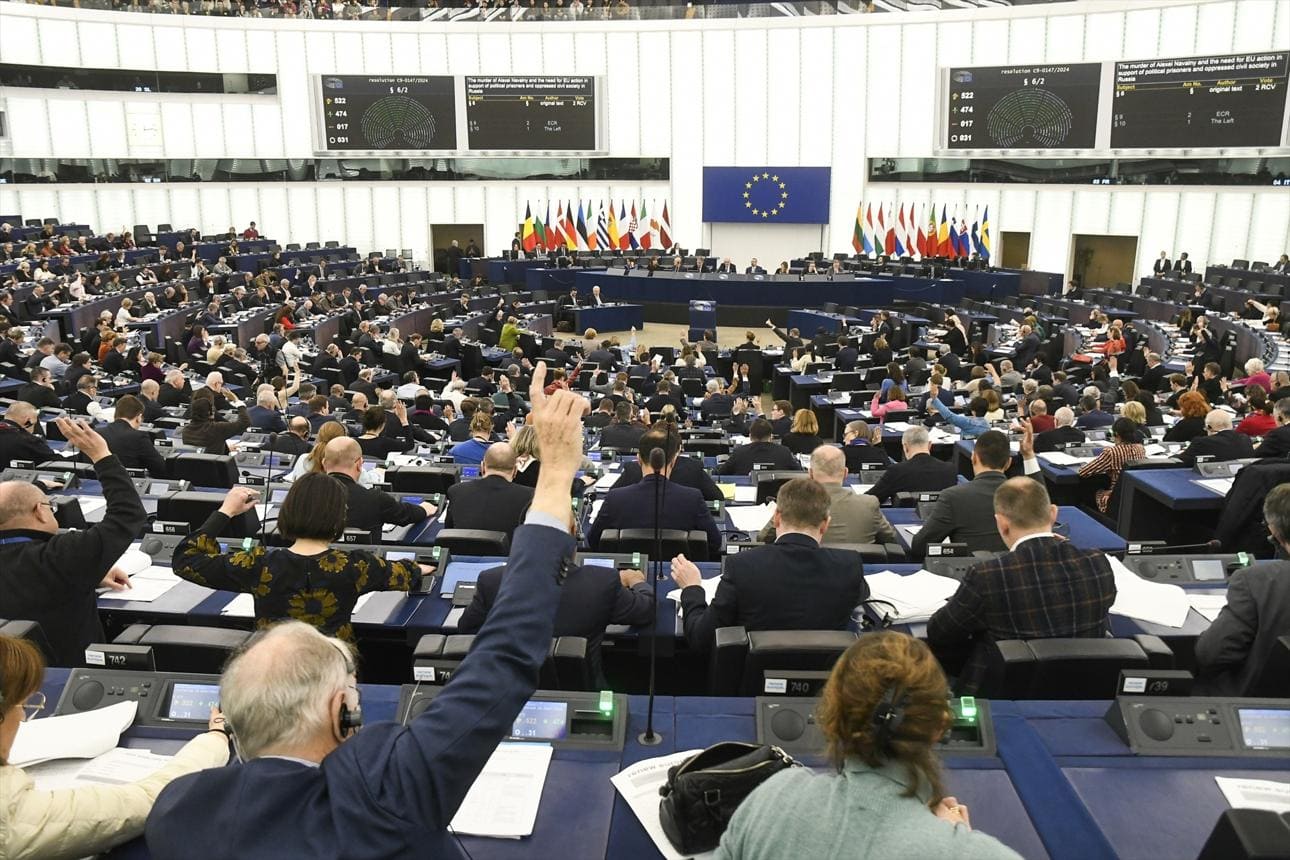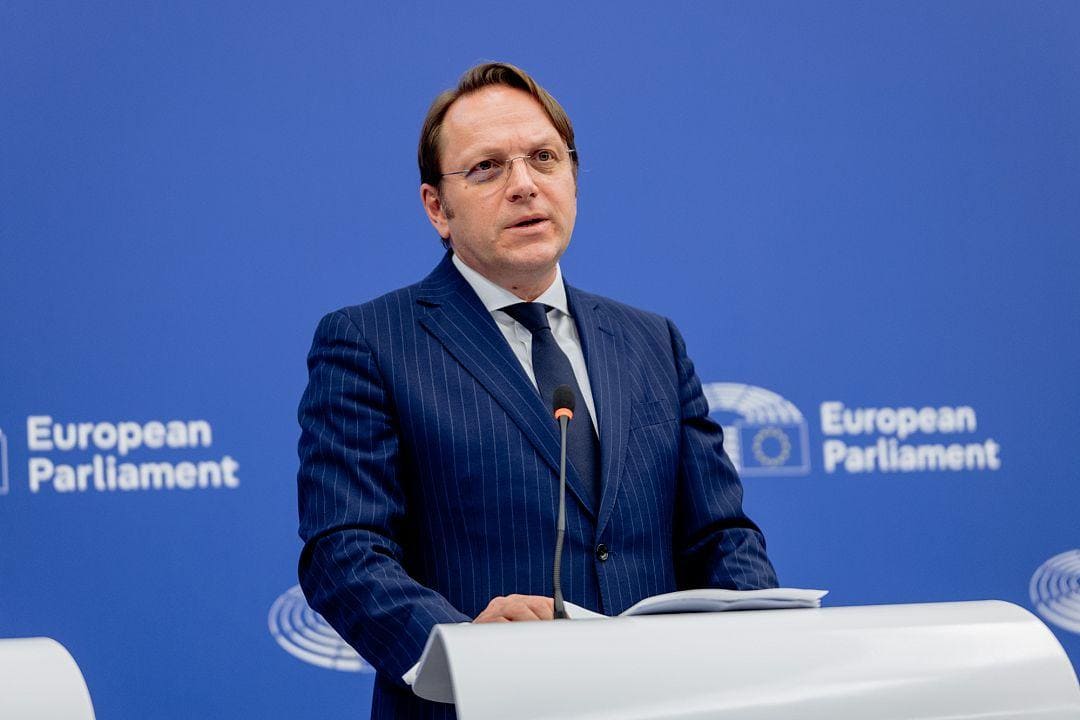
The anti-SLAPP directive was written for exactly the kind of pressure that reporters like Anna Politkovskaya faced, yet fourteen member states still have not fully brought it into national law. On 5 October 2026 the European Parliament marked twenty years since her killing with a tribute and debate in Strasbourg, and the anniversary gives the anti-SLAPP directive a symbolic weight that its patchy implementation does not yet match.
Politkovskaya was shot dead on 7 October 2006 in the lift of her Moscow apartment block after years of documenting abuses in Chechnya and the North Caucasus. Members of the Human Rights Subcommittee and the delegation for relations with Russia joined the commemoration. Her granddaughter, Anna Victoria Politkovskaya, spoke alongside UN Special Rapporteur Mariana Katzarova and Kirill Martynov, editor-in-chief of Novaya Gazeta Europe. The debate was framed around the struggle for fundamental freedoms and against impunity in Russia.
The European Union cannot legislate for Moscow, but it can decide how safe its own courtrooms are for critical reporting. The anti-SLAPP directive, formally Directive (EU) 2024/1069, protects journalists, activists and researchers from manifestly unfounded or abusive lawsuits designed to drain their money and nerve. National governments had to transpose it by 7 May 2026. On 15 July 2026 the Commission opened infringement proceedings by sending letters of formal notice to Bulgaria, Czechia, Germany, Ireland, Greece, Spain, Italy, Luxembourg, Hungary, the Netherlands, Austria, Portugal, Romania and Slovakia.
That list is revealing because it mixes founding members, large economies and states where media pluralism is already under scrutiny. Each government had two months to reply and notify its measures. If the answers fall short, the Commission can move to reasoned opinions and, eventually, the Court of Justice. Press freedom groups have argued for months that every week of delay leaves journalists exposed to cross-border claims filed in the least protective jurisdiction.
The anti-SLAPP directive works in a specific way. It gives courts tools to dismiss baseless claims early, lets defendants seek costs from abusive claimants, and allows penalties for those who misuse proceedings. It focuses on cross-border cases, but the Commission also recommended that states apply similar safeguards to purely domestic disputes. Without national laws, none of these tools exist in practice, and a journalist sued in one capital by a plaintiff in another has nothing to rely on.
The anti-SLAPP directive does not stand alone. The European Media Freedom Act, applicable since August 2025, shields editorial independence and source protection, while the annual Rule of Law Report tracks how governments treat journalists. Together they form a framework meant to make impunity harder inside the Union. Yet a framework is only as strong as its weakest transposition, and abusive litigation remains a quiet, legal cousin of the violence that ended Politkovskaya’s life.
Parliament’s tribute therefore asks a practical question of Europe rather than a rhetorical one. If the Union wants credibility when it demands accountability from Russia, it needs to show that its own protection rules are in force. For the fourteen capitals on the Commission’s list, the next step is simple to describe and harder to deliver: finish the national laws. Until they do, the anti-SLAPP directive remains a promise on paper, and the 2026 anniversary is a reminder of what that gap can cost.