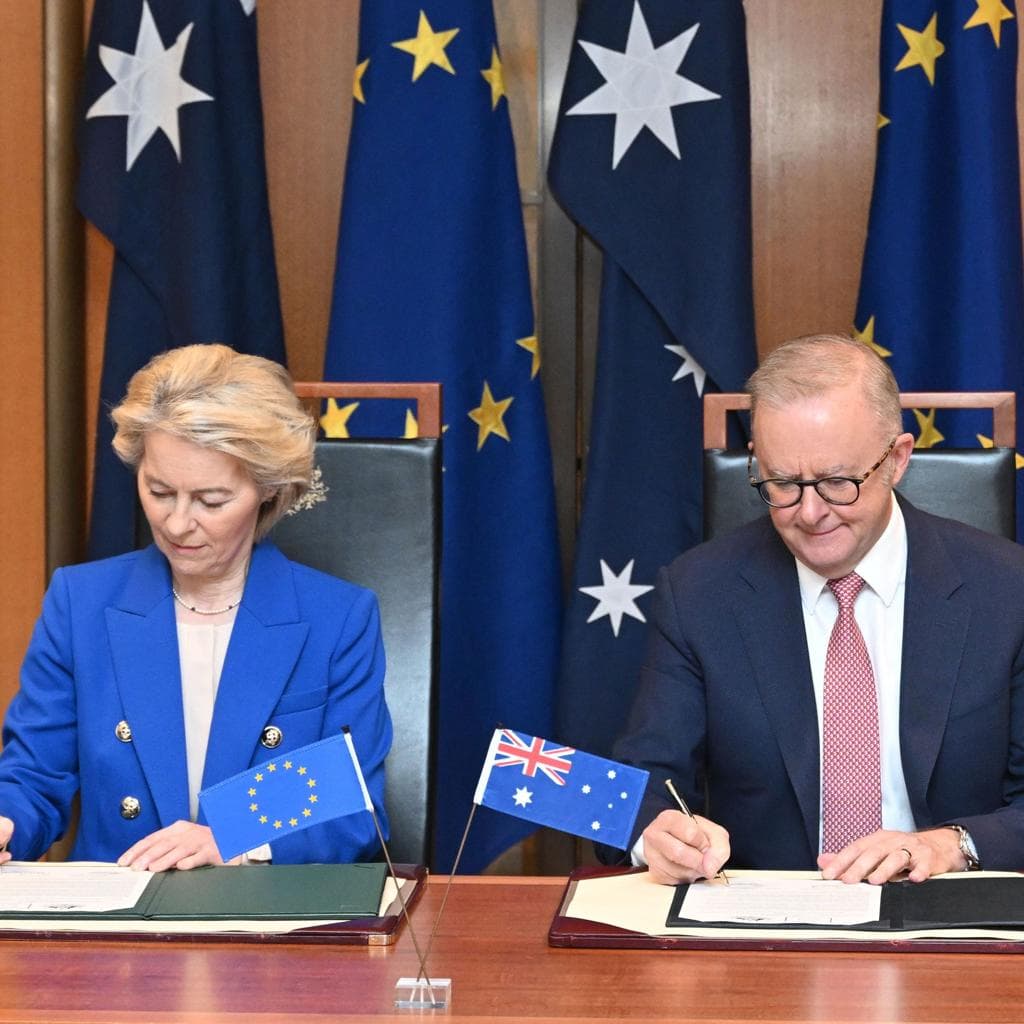
Canberra: The Australia trade agreement that Brussels and Canberra concluded on 24 March 2026 has cleared its hardest political hurdle, and what remains is the slower work of lawyers, translators and legislators. After eight years of talks, both sides announced a deal that removes tariffs on almost all goods, yet neither can say when it will apply.
The headline numbers show why both governments pushed so hard for the Australia trade agreement. The European Union will eliminate tariffs on about 98 percent of Australian exports, while Australia will remove duties on more than 99 percent of European goods. Projections published around the conclusion point to annual tariff savings of up to €1 billion for EU exporters and a gain of roughly €4 billion in EU output by 2030.
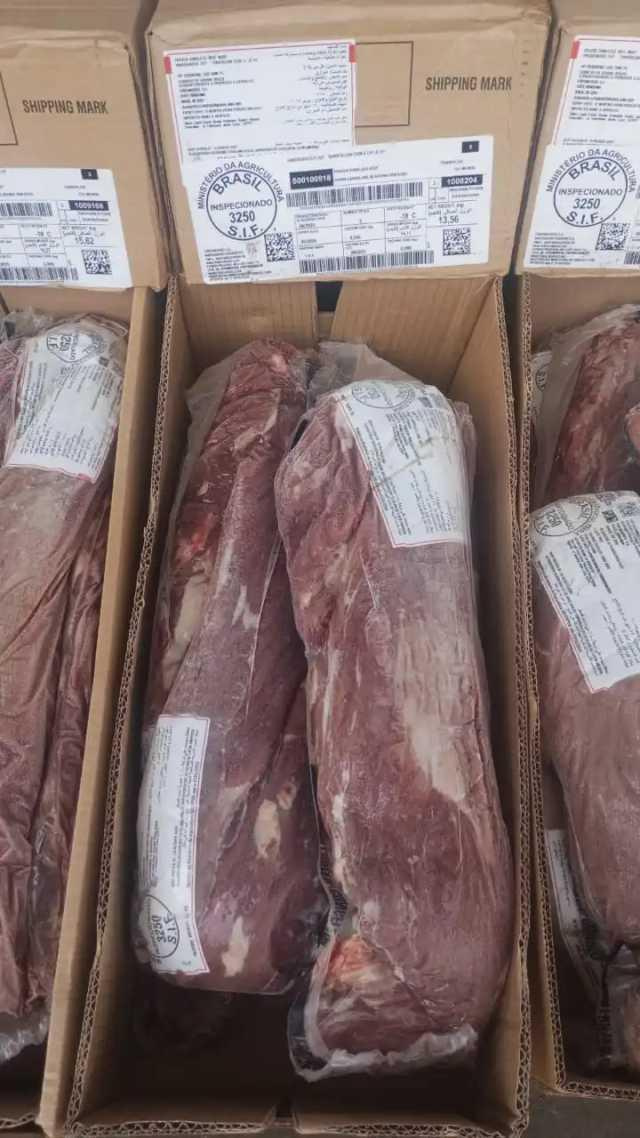
Agriculture produced the toughest bargaining, and the quotas reveal the compromise. Australian beef receives 30,600 tonnes a year, sheep meat 25,000 tonnes and sugar 35,000 tonnes, with further quotas for rice, dairy and wheat gluten. Those volumes sit well below what Canberra first requested, which hands European farm lobbies a talking point but not a veto. Even so, the Australia trade agreement will face close questions in the European Parliament, where farm groups have scrutinised recent trade deals closely.
Critical raw materials give the deal its strategic weight. The text secures European access to Australian lithium, cobalt, manganese and rare earth elements, at a moment when Brussels wants alternatives to concentrated suppliers. Australia, for its part, gains a larger consumer base of about 450 million people and a route to European capital for processing minerals at home rather than exporting them raw.
Consumers and producers will notice the food and drink provisions of the Australia trade agreement first. Nearly 400 European products gain protection as geographical indications, among them Black Forest Ham, and more than 1,600 wine designations are covered. Tariffs on wine, chocolate, cookies and bread disappear immediately once the agreement enters into force, while dairy duties phase out over three years.
The calendar is the real story. Legal review and translation must finish before the Council adopts its decision, the European Parliament gives consent and both sides sign. Australia adds its own steps, including a review by the Joint Standing Committee on Treaties and implementing legislation. Observers expect that the Australia trade agreement could need up to two years before it operates, and no application date exists yet.
My reading is that drift is the main risk, not opposition. Several other trade agreements are moving through the same institutions, so plenary time and Commission attention are scarce. Businesses should use the wait to classify their products, check rules of origin and build the documentation that proves a good qualifies, because the firms that prepare early will capture the tariff savings first.
For Brussels, the Australia trade agreement offers a rare combination of market access, raw materials and a like-minded partner in the Indo-Pacific. Whether it delivers depends on how quickly the legal work ends and how carefully the quotas are managed once the first shipments cross the border.