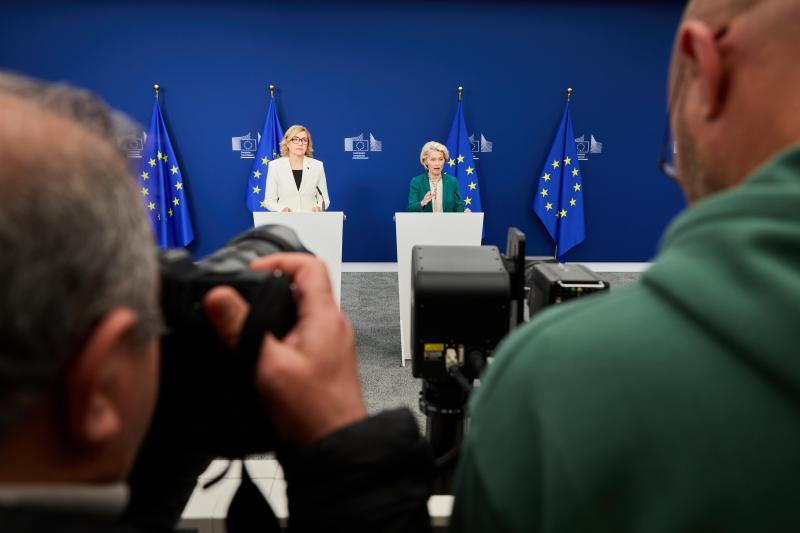
Kherson: Deported Ukrainian children moved to the centre of the European Parliament’s agenda on 11 November 2026, when MEPs in Brussels debated with High Representative Kaja Kallas how to bring them home from Russia. Parliament will vote on a resolution on Thursday 12 November. The debate came a day after Ukraine’s human rights ombudsman, Dmytro Lubinets, said 2,798 children had returned under the Bring Kids Back UA initiative.
The numbers expose the gap. Ukraine’s Children of War database documents roughly 20,000 cases of deportation and forced transfer, and the EPP Group puts the figure at almost 21,000. Lubinets has spoken of up to 150,000 deported Ukrainian children, while the regional administration in Kherson says it has brought back 246 children from occupied parts of the oblast since 1 January 2026.
The EPP Group, whose lead negotiator on the text is Parliament Vice-President Ewa Kopacz, wants the resolution to demand the immediate, safe and unconditional return of every child. In a statement on 11 November, the group also called for accountability for perpetrators and enablers. It wants the return of deported Ukrainian children to sit at the heart of any peace talks.
Kallas has pressed the same line for months. In May 2026 she co-chaired a high-level meeting of the International Coalition for the Return of Ukrainian Children in Brussels with Enlargement Commissioner Marta Kos, Canadian Foreign Minister Anita Anand and Ukrainian Foreign Minister Andrii Sybiha. According to the co-chairs’ summary, the EU pledged nearly €50 million for Ukraine’s child protection system.
The coalition has also grown. Cyprus, Monaco, Panama, Switzerland and the OSCE Parliamentary Assembly joined after September 2025, and Canada, Ukraine and Norway planned a follow-up conference in Toronto for late September 2026.
Sanctions form the second track in the campaign for deported Ukrainian children. The Council listed 16 individuals and 7 entities over the deportations in May. On 28 September 2026 it added 10 individuals and 17 entities, including the Moscow City Tourism Committee, Russian children’s camps and sports centres, a state-run camp in North Korea and the President of Tatarstan. Those listings fall under the EU regime that protects Ukraine’s territorial integrity.
International criminal law underpins the case. In March 2023 the International Criminal Court issued arrest warrants for Vladimir Putin and his children’s rights commissioner, Maria Lvova-Belova, over the unlawful deportation of children from occupied Ukraine. Parliament already called the practice part of a genocidal strategy in its resolution of May 2025, which MEPs adopted by 516 votes to 3.
Russia has adapted its methods. Maksym Maksymov, who heads Bring Kids Back UA, said in September that Moscow now moves children in smaller groups, which makes tracing harder. Ukraine brought back 673 children in 2026 up to 21 September, against 725 in the whole of 2025, a pace that remains slow against the scale of the deportations.
Thursday’s vote will not free a single child on its own. Yet it gives Parliament a fresh mandate to press the Council for more listings and to insist that no ceasefire deal ignores deported Ukrainian children. For families in Kherson and across occupied Ukraine, that pressure may decide whether the return of deported Ukrainian children becomes a condition of peace or a footnote to it.