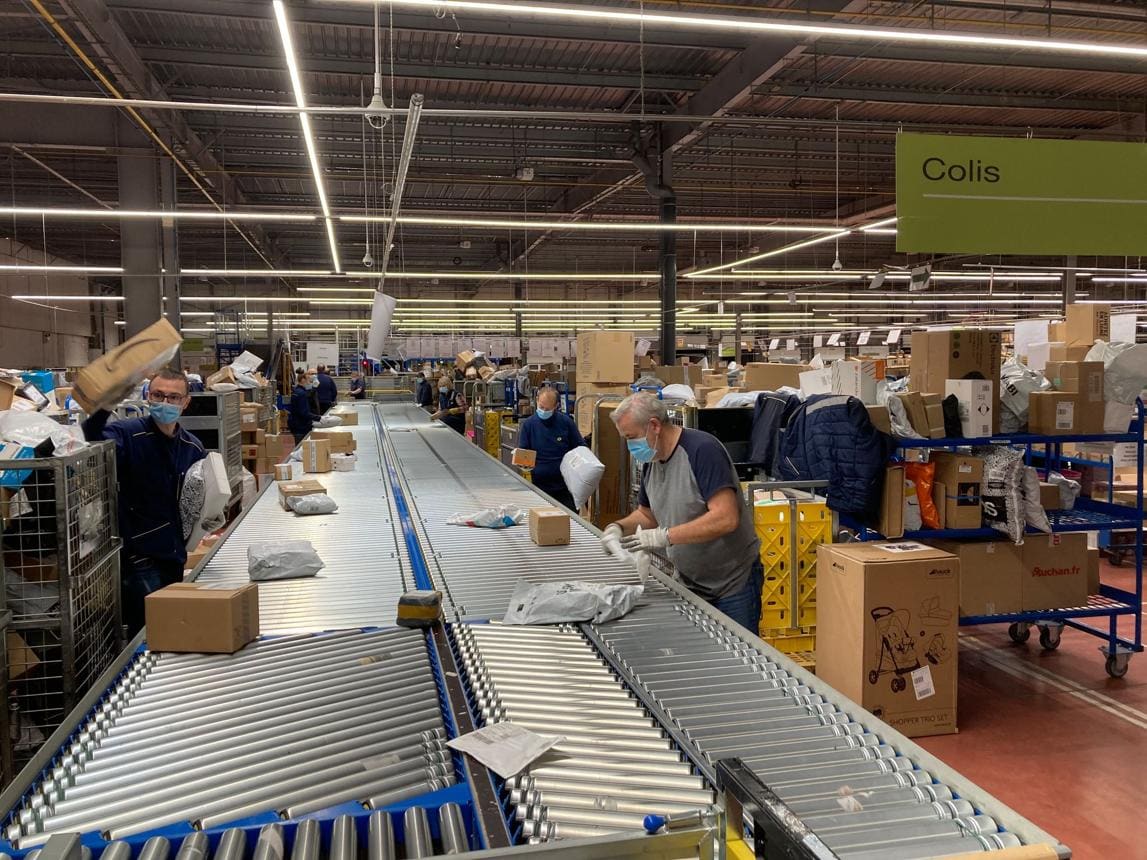
Liège: The sorting halls beside the Walloon airport process the kind of consignment that Europe spent twenty years deciding not to tax. A phone case from Shenzhen, a dress worth eleven euros, a cable that costs less than the fuel used to fly it here. Since 1 July every one of those items has carried a parcel duty of three euros, and the machinery that used to wave them through now has to classify them first.
The rule replaces the 150 euro exemption that had governed low-value imports since the customs code was written for a world of container ships rather than air freight. Ministers gave the measure its final approval in February, having agreed the substance the previous December. The volumes explain the urgency. Roughly 4.6 billion low-value parcels entered the Union in 2024, more than double the year before, and the overwhelming majority arrived from a small number of Asian platforms.
The design is stranger than the headline suggests. Three euros is not a flat charge per parcel. It applies per tariff sub-heading, meaning that a box containing a shirt, a phone charger and a set of headphones attracts three separate charges. Consolidators who used to bundle unrelated goods into a single shipment to save on handling have discovered that bundling now costs them money, and several have begun splitting orders back out again. The rule has changed logistics behaviour faster than it has changed retail prices.
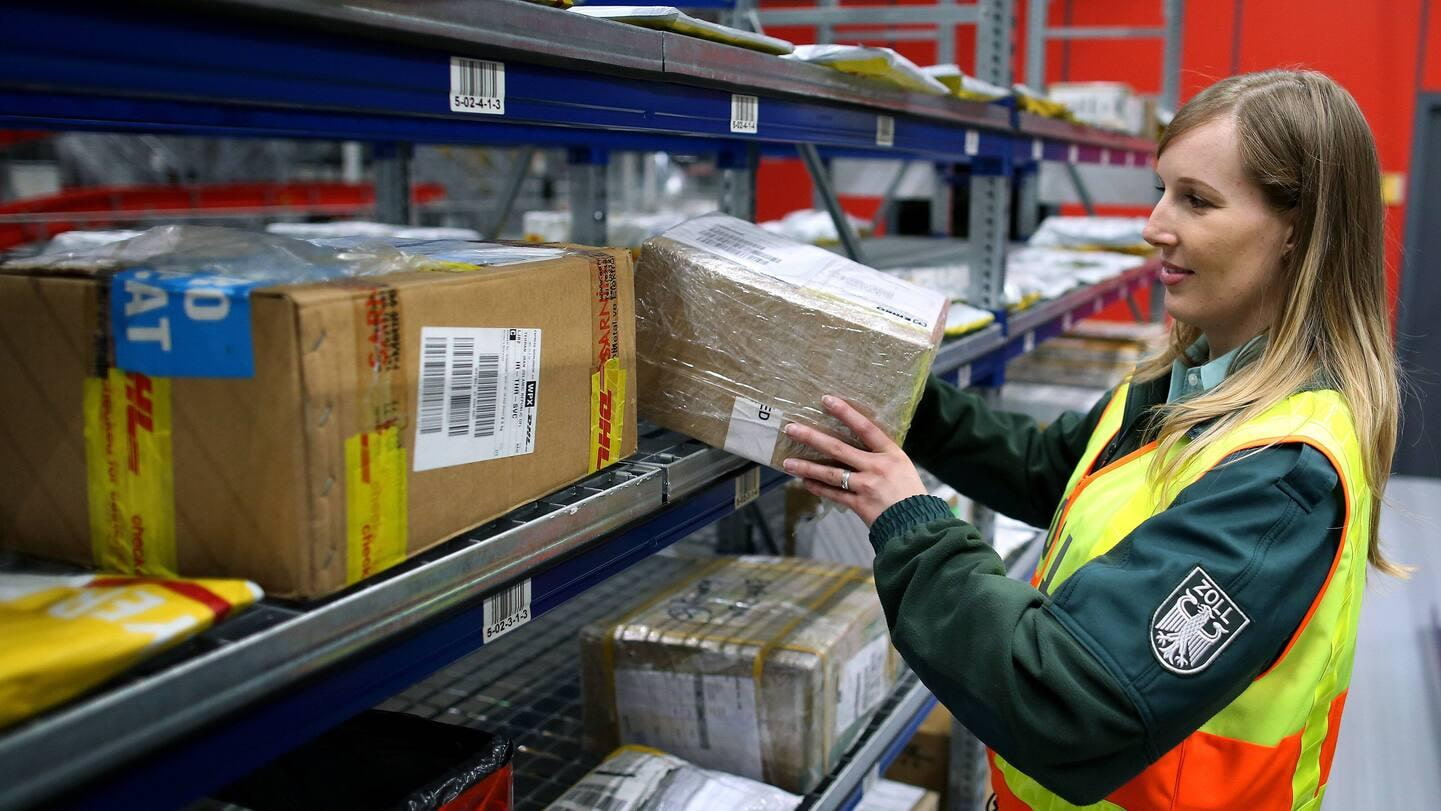
Customs administrations face the harder adjustment. Classifying an item under the combined nomenclature requires either a declaration the seller can be trusted to file correctly or an officer who opens the box. Neither scales to billions of parcels. Member states are leaning on data submitted electronically before arrival, which shifts the burden onto platforms and, when the data is wrong, leaves national authorities collecting a duty on a description rather than on a good. Undervaluation and misdescription were already the dominant frauds in e-commerce. A per-category charge gives sellers a fresh incentive to declare three things as one.
A second charge is coming behind this one. The customs reform package still under negotiation carries a handling fee of roughly two euros per tariff line, intended to cover the administrative cost rather than to raise revenue, and the working assumption in Council is that it lands no later than November. Retailers are already modelling the combined effect, which for a five euro impulse purchase amounts to a doubling of the delivered price.
None of this is the end state. The whole architecture points towards the EU Customs Data Hub, the single electronic system that will eventually take declarations for every consignment entering the Union and apply tariffs to all goods regardless of value. That system is not expected to work before 2028, and officials involved in earlier customs IT projects treat that date with visible caution. Until it exists, Europe is running an interim regime that was designed to buy time.
Whether the interim regime does what its authors intended will show up in the volume figures rather than in the revenue. Three euros is not a wall. It is a nudge, aimed at a business model built on the assumption that shipping something worth almost nothing across the world costs almost nothing to import. Liège will see the answer before Brussels does.