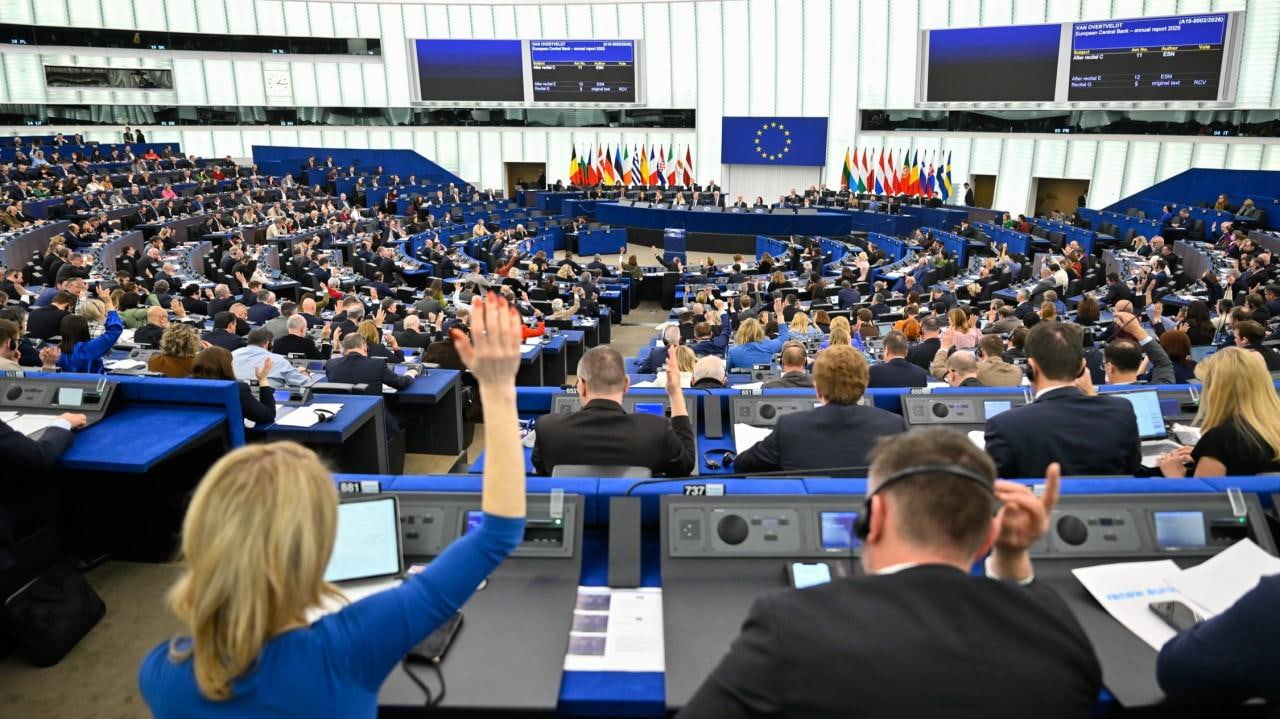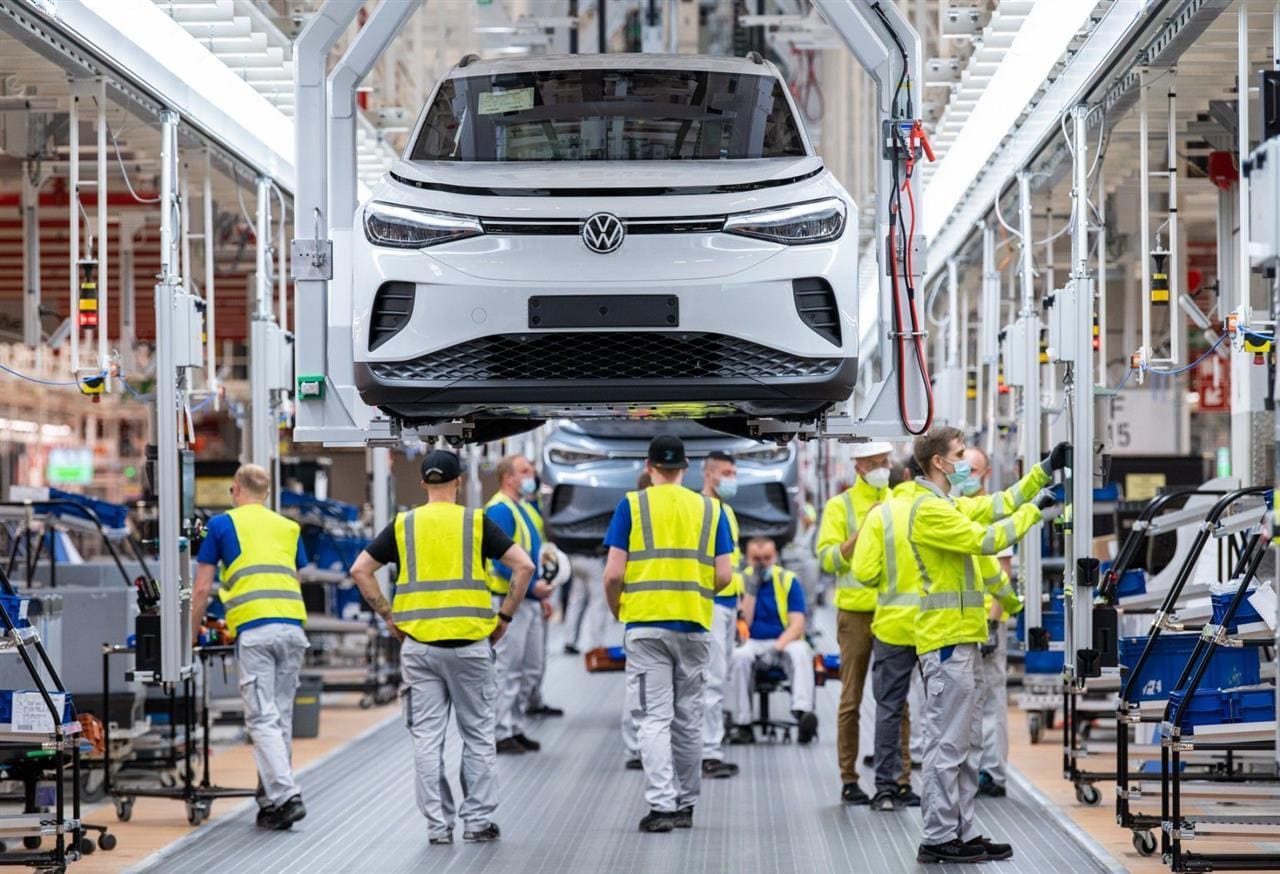
Wolfsburg: The EU car CO2 standards moved closer to a weaker final form on 22 October 2026, when Parliament’s Industry and Transport committees backed a compromise that cuts new-car emissions by 95 percent against 2021 by 2035, not the 100 percent that current law demands. The EPP, S&D and Renew Europe groups supported the text, according to electrive.
The compromise adds a bonus for steel. Carmakers could earn up to a further 7.5 percentage points of flexibility if they use EU-made, climate-friendly steel, which would bring the worst case to an 87.5 percent cut by 2035. The Commission’s own draft proposed a 90 percent cut and gave no date for the 100 percent target.
The committee votes on the EU car CO2 standards were close. The Industry Committee voted 49 to 27 with 5 abstentions, according to Handelsblatt, and the Transport Committee voted 27 to 18 with 1 abstention, per the minutes. The ECR, Europe of Sovereign Nations, Patriots for Europe, The Left and Greens/EFA groups opposed the compromise.
Other design choices matter as much as the headline number. The EU car CO2 standards would average the targets for 2030 to 2032, which replaces fixed annual targets, and they would lower the 2030 van target from 50 percent to 40 percent. Smaller cars under 4.20 metres would receive super credits, so a compact model could count as 1.3 vehicles.
The package also carries money and savings. electrive reports a €1.5 billion Battery Booster, and the Commission estimates administrative savings of €706 million a year. The Commission calls the plan the first industrial strategy for the automotive industry and says the future is electric.
Political pressure comes from the top. The sources report a joint position from Chancellor Friedrich Merz and President Emmanuel Macron for a 90 percent cut by 2035 without compensation, which sits below the committee’s 95 percent. Governments will therefore bargain over the EU car CO2 standards even after Parliament settles its line.
The calendar is tight. Spiegel reports that the Environment Committee votes in early November, and a plenary vote looks likely in December. The Council then needs a qualified majority of at least 15 member states representing 65 percent of the EU population. We could not confirm whether the Environment Committee has voted yet.
The EU car CO2 standards now face three tests: whether Environment Committee members accept a 95 percent target, whether the steel credit survives, and whether capitals can agree on a number between 90 and 95 percent. Carmakers, battery suppliers and steelmakers will watch each vote, because their investment plans for 2030 depend on the answer.