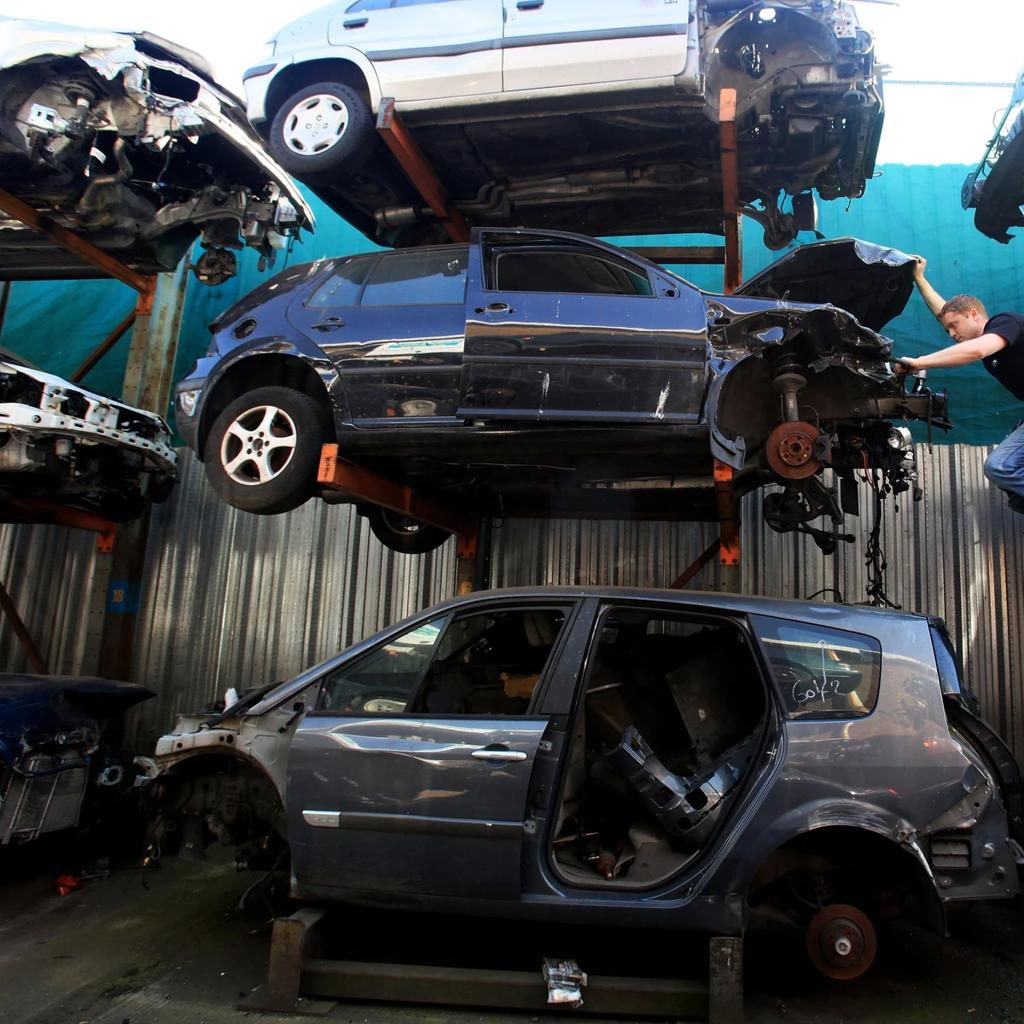
Wolfsburg: Designers who have never visited a dismantling plant are about to start writing specifications for one. The regulation on vehicle circularity and end-of-life vehicles cleared its final parliamentary hurdle in June by 437 votes to 112, replaces two ageing directives, and applies twenty-four months after entry into force. That puts the first binding obligations inside the design cycle of cars already on the drawing board.
The recycled content target is the clause that reorders supply chains. New vehicles must contain fifteen percent recycled plastic within six years, rising to twenty-five percent within ten, and a fifth of that material must come from end-of-life vehicles or used parts rather than from any convenient post-consumer stream. That second condition is what makes the target hard. Bottle-grade recyclate is plentiful; automotive-grade polymer recovered from scrapped cars is not, because almost nobody built the recovery chain to produce it.
The export ban does the other half of the work. Used vehicles that are no longer roadworthy may not leave the bloc, which addresses a trade that has moved hundreds of thousands of ageing cars towards West Africa and the Caucasus each year. Environment officials frame this as keeping materials inside Europe. Roadworthiness enforcement at the port of export is where the clause will succeed or fail, and customs authorities have not yet said how they intend to check.
Extended producer responsibility arrives three years after entry into force and shifts the collection and treatment bill onto manufacturers wherever in the bloc a car reaches the end of its life. A German brand will pay for the scrapping of its vehicles in Romania. That cross-border liability is new, and it gives producers a direct financial reason to care about dismantling capacity in markets where their cars typically die rather than where they were sold.
Industry associations accepted the framework and fought the numbers. Their argument during the trilogue was availability rather than principle, since a target that cannot be met with existing recyclate simply becomes a compliance penalty. Parliament’s negotiators held the percentages and conceded on review clauses, so the figures stand unless a later assessment reopens them. The Commission summary of the agreed rules sets out the phasing.
Type-approval is where the obligations bite first. A vehicle cannot be approved without a circularity strategy covering removal of parts, access to fasteners and declaration of materials, which turns recycling from an afterthought at the end of a product’s life into a document submitted before it begins. Engineers describe this as the most intrusive design constraint since pedestrian safety rules.
The legislative file is closed. What follows is quieter and slower, namely secondary legislation on calculation methods, and the answer to one practical question nobody has settled. Who verifies that a polymer pellet really came from a scrapped car.