August 10, 2026
LATEST
Mercosur Deal Takes Effect in Limbo as Judges Weigh Its FateEurope’s Air Quality Improves but WHO Limits LoomTwelve New EU Medicines Win a Green Light from EMAFIFA Agent Rules Must Answer to Europe’s CourtsTachograph Rules Now Reach Vans Crossing Europe’s BordersNature Restoration Plans Come Due as a Hard Deadline NearsBrussels Opens a State Aid Probe Into Spain’s Renewables PayoutBrussels Extends Its Tariff Suspension on US Goods IndefinitelyFarmers Win Stronger Contract Rights Across the EU Supply ChainEurope Finally Locks In Its 348-Satellite Answer to StarlinkPlatform Work Rules Face a National Scramble Before DecemberDuty-Free Parcels Reach the End of the Line for EU ShoppersAfter Nine Years, Europe and Australia Seal a Trade PactBeijing Answers Europe’s Russia Sanctions in KindOne Year On, the EU-Japan Alliance Faces Its First TestEurope’s Chip Ambitions Still Run Through Taiwan’s FabsWhy South Korea Bet Its Research Future on Europe’s ProgrammeEurope and Japan Deepen Their Economic Alliance as Rivals CircleFive Joint Defence Projects Launch Europe’s Military ShieldElectrification Plan Aims to Make Europe First Electro ContinentMercosur Deal Takes Effect in Limbo as Judges Weigh Its FateEurope’s Air Quality Improves but WHO Limits LoomTwelve New EU Medicines Win a Green Light from EMAFIFA Agent Rules Must Answer to Europe’s CourtsTachograph Rules Now Reach Vans Crossing Europe’s BordersNature Restoration Plans Come Due as a Hard Deadline NearsBrussels Opens a State Aid Probe Into Spain’s Renewables PayoutBrussels Extends Its Tariff Suspension on US Goods IndefinitelyFarmers Win Stronger Contract Rights Across the EU Supply ChainEurope Finally Locks In Its 348-Satellite Answer to StarlinkPlatform Work Rules Face a National Scramble Before DecemberDuty-Free Parcels Reach the End of the Line for EU ShoppersAfter Nine Years, Europe and Australia Seal a Trade PactBeijing Answers Europe’s Russia Sanctions in KindOne Year On, the EU-Japan Alliance Faces Its First TestEurope’s Chip Ambitions Still Run Through Taiwan’s FabsWhy South Korea Bet Its Research Future on Europe’s ProgrammeEurope and Japan Deepen Their Economic Alliance as Rivals CircleFive Joint Defence Projects Launch Europe’s Military ShieldElectrification Plan Aims to Make Europe First Electro Continent
August 10, 2026
LATEST
Mercosur Deal Takes Effect in Limbo as Judges Weigh Its FateEurope’s Air Quality Improves but WHO Limits LoomTwelve New EU Medicines Win a Green Light from EMAFIFA Agent Rules Must Answer to Europe’s CourtsTachograph Rules Now Reach Vans Crossing Europe’s BordersNature Restoration Plans Come Due as a Hard Deadline NearsBrussels Opens a State Aid Probe Into Spain’s Renewables PayoutBrussels Extends Its Tariff Suspension on US Goods IndefinitelyFarmers Win Stronger Contract Rights Across the EU Supply ChainEurope Finally Locks In Its 348-Satellite Answer to StarlinkPlatform Work Rules Face a National Scramble Before DecemberDuty-Free Parcels Reach the End of the Line for EU ShoppersAfter Nine Years, Europe and Australia Seal a Trade PactBeijing Answers Europe’s Russia Sanctions in KindOne Year On, the EU-Japan Alliance Faces Its First TestEurope’s Chip Ambitions Still Run Through Taiwan’s FabsWhy South Korea Bet Its Research Future on Europe’s ProgrammeEurope and Japan Deepen Their Economic Alliance as Rivals CircleFive Joint Defence Projects Launch Europe’s Military ShieldElectrification Plan Aims to Make Europe First Electro ContinentMercosur Deal Takes Effect in Limbo as Judges Weigh Its FateEurope’s Air Quality Improves but WHO Limits LoomTwelve New EU Medicines Win a Green Light from EMAFIFA Agent Rules Must Answer to Europe’s CourtsTachograph Rules Now Reach Vans Crossing Europe’s BordersNature Restoration Plans Come Due as a Hard Deadline NearsBrussels Opens a State Aid Probe Into Spain’s Renewables PayoutBrussels Extends Its Tariff Suspension on US Goods IndefinitelyFarmers Win Stronger Contract Rights Across the EU Supply ChainEurope Finally Locks In Its 348-Satellite Answer to StarlinkPlatform Work Rules Face a National Scramble Before DecemberDuty-Free Parcels Reach the End of the Line for EU ShoppersAfter Nine Years, Europe and Australia Seal a Trade PactBeijing Answers Europe’s Russia Sanctions in KindOne Year On, the EU-Japan Alliance Faces Its First TestEurope’s Chip Ambitions Still Run Through Taiwan’s FabsWhy South Korea Bet Its Research Future on Europe’s ProgrammeEurope and Japan Deepen Their Economic Alliance as Rivals CircleFive Joint Defence Projects Launch Europe’s Military ShieldElectrification Plan Aims to Make Europe First Electro Continent

Carousel Fraud Now Drains Forty-Five Billion From EU Coffers

Munich: A chain of arrests stretching from a Bavarian oil depot to a businessman’s bolt-hole in Dubai is laying bare the scale of the racket that costs the European Union more than any other form of fraud. Prosecutors are pressing a widening set of cases against the carousel schemes that exploit cross-border trade to siphon billions in value-added tax, and the figures emerging from the bloc’s prosecution service are sobering.

The European Public Prosecutor’s Office, the independent body that investigates crimes against the EU budget, now reports hundreds of active investigations into customs and VAT fraud, with estimated damages in the region of forty-five billion euros. That single category accounts for the lion’s share of all the suspected losses the prosecutors are pursuing, a reminder that the most expensive crime against the European purse is not a glamorous diversion of subsidy money but the patient, industrial-scale gaming of the tax system.

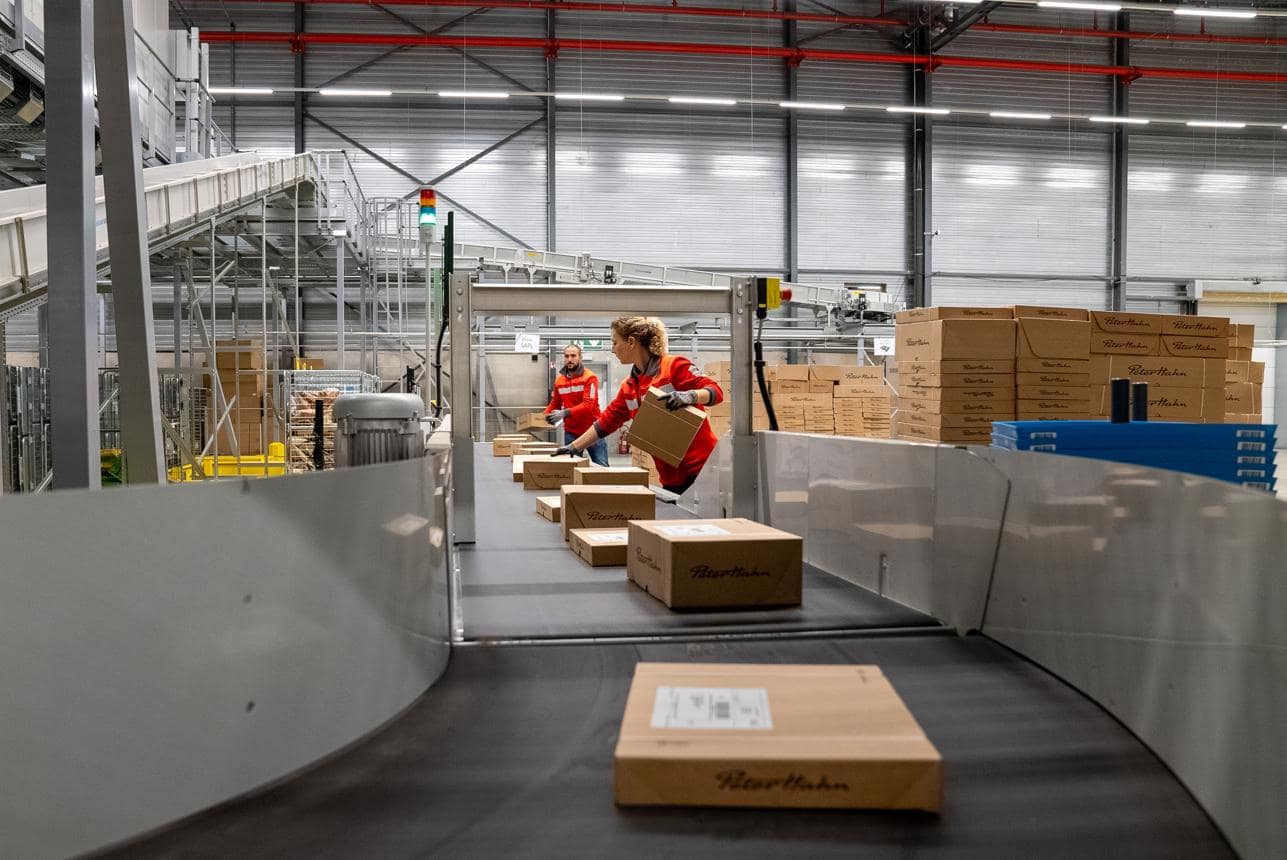
VAT carousel fraud works by exploiting the seam between national tax regimes. Goods are traded rapidly across borders through a chain of companies, some of them shells that vanish before paying the tax they have collected, while others reclaim VAT that was never remitted. The fraud leaves no obvious victim in the street, which is part of why it has proved so durable, but the money lost is money that does not reach hospitals, schools or the common budget that members fund together.

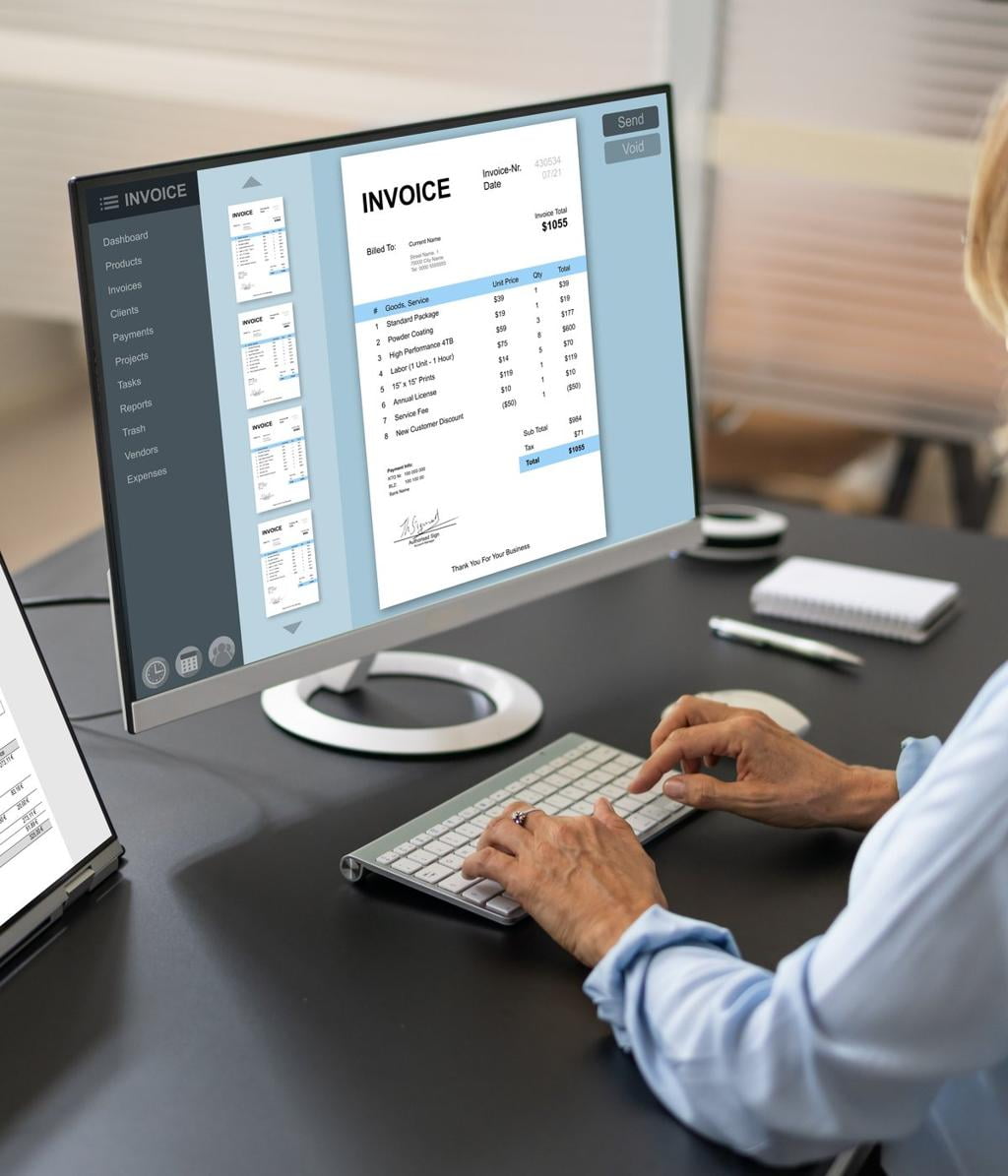
The cases now moving through courts show how the schemes have professionalised. In one long-running German investigation, prosecutors have charged a group that allegedly ran a diesel-trading fraud, with the defendants including company directors, lawyers and a tax accountant accused not only of evasion but of forming a criminal organisation. In a parallel Italian strand, investigators arrested a businessman living in Dubai suspected of laundering and reinvesting the proceeds of a carousel built on fake invoices. The geographic spread, from the Gulf to northern Europe, underscores how the laundering of proceeds has globalised even as the underlying tax theft remains a European problem.

The prosecution service has leaned on closer cooperation with other arms of the bloc’s anti-fraud architecture, working alongside the European Anti-Fraud Office, the Court of Auditors, Europol and national financial police to follow money that rarely stays in one jurisdiction. That coordination has produced more arrests and seizures, but it has also revealed how far ahead the fraudsters often run, moving cash through intermediaries and reinvesting it in property and legitimate businesses before the law catches up.

The deeper question is structural. As long as VAT is collected nationally but goods move freely, the carousel will keep turning, and prosecutors can chase individual networks without closing the gap that makes them possible. Reform of the way cross-border VAT is charged has been debated for years and repeatedly stalled. Until that changes, the prosecution service is left doing what it can, case by case, against a fraud whose annual cost dwarfs almost everything else on its books.