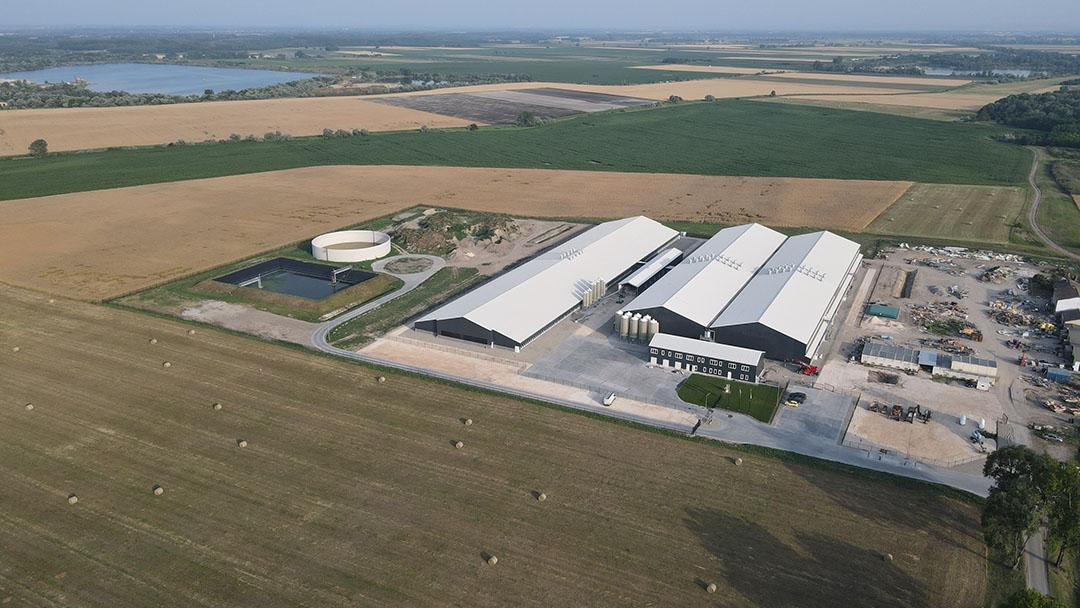
Vic: Commission Implementing Decision (EU) 2026/1973, adopted on 1 September, runs to a few pages of annex and reads like a land registry. It amends Annex I to Implementing Regulation (EU) 2023/594, the instrument that carves the Union into restricted zones for African swine fever, and it redraws the boundaries around a cluster of municipalities north and west of Barcelona. For the farms inside those lines, the map is the whole of the policy.
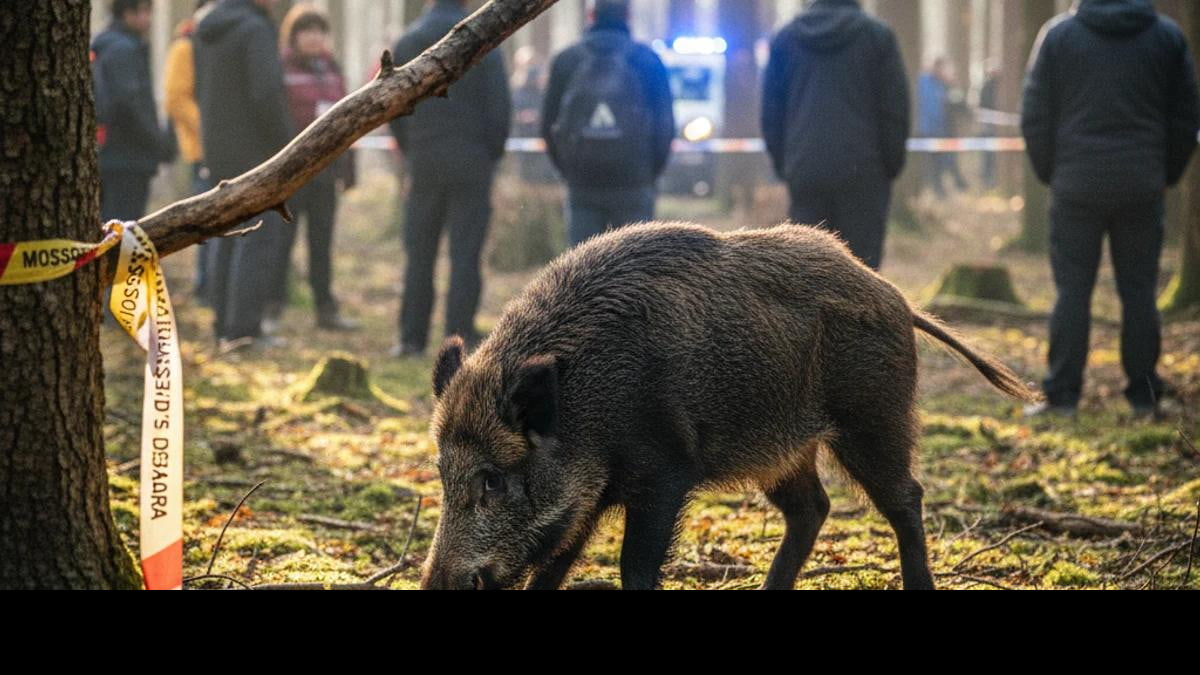
The outbreak that prompted it began in wild boar in late 2025 and ended thirty-one years of Spanish freedom from the disease. By the spring of 2026 the Catalan veterinary services had recorded dozens of confirmed cases across roughly a dozen municipalities in the metropolitan belt, in terrain that is neither properly rural nor properly urban. Boar move through industrial estates, drainage channels and the wooded fringes of commuter towns. Carcass search teams have worked alongside motorway embankments. It is an awkward geography for a disease control strategy designed with forests in mind.
The striking fact, ten months in, is what has not happened. No domestic pig holding in Spain has been confirmed infected. That is the outcome the zoning system exists to produce, and it is worth stating plainly because the system is usually described only when it fails. Zone I covers areas adjacent to infection where no cases have occurred; Zone II covers areas with cases in wild boar; Zone III applies where domestic pigs are affected. Spain has so far avoided the third category entirely, which means the heaviest movement restrictions on live animals and germinal products have not been triggered, and the export consequences have been correspondingly contained.
The zoning is nevertheless expensive. A holding that finds itself inside a restricted zone faces additional certification for movements, constraints on which markets its meat can reach, and biosecurity audits it did not budget for. Spain is the Union’s largest pig producer, and even a regional restriction propagates quickly through a sector built on moving weaners between provinces. Regional authorities have activated emergency contracts for fencing, carcass removal and intensified hunting, and the cost of holding a perimeter around a metropolitan area with several million residents is not modest.
The wider trend is unhelpful. The Food Safety Authority’s annual epidemiological analysis, published in May, found that outbreaks across the Union rose in 2025 compared with the previous year in both domestic pigs and wild boar, with the increase in domestic pigs the sharper of the two. The number of affected member states rose to fourteen with Spain’s re-entry. A disease that was once described as an eastern problem is now a Union-wide one, and the reservoir in wild boar populations has proved far more durable than the early control strategies assumed.
That durability is what makes the implementing decisions so frequent. Zoning under Regulation 2023/594 is not a single act but a rolling one, amended whenever surveillance shifts the picture, sometimes several times a quarter. Each amendment is adopted through comitology with member state representatives, which is fast by legislative standards and glacial by epidemiological ones.
The September redraw does not signal the end of the Catalan episode. It signals that the perimeter has moved, and that the veterinary services believe they can defend the new one. The test of that belief is the one the Union has failed in most of the fourteen affected states, which is whether a zone, once drawn, can ever be dissolved.