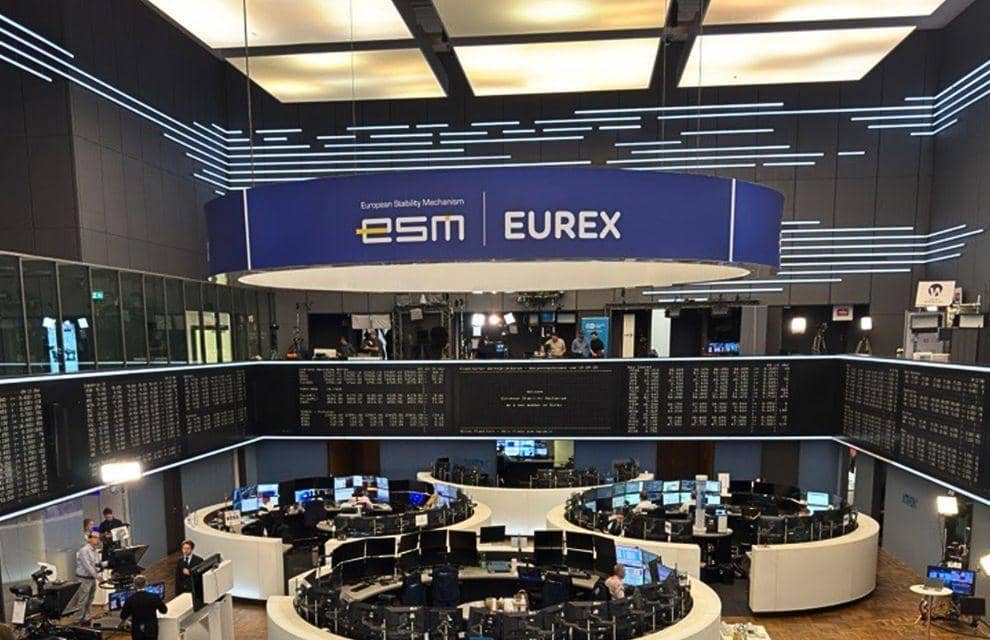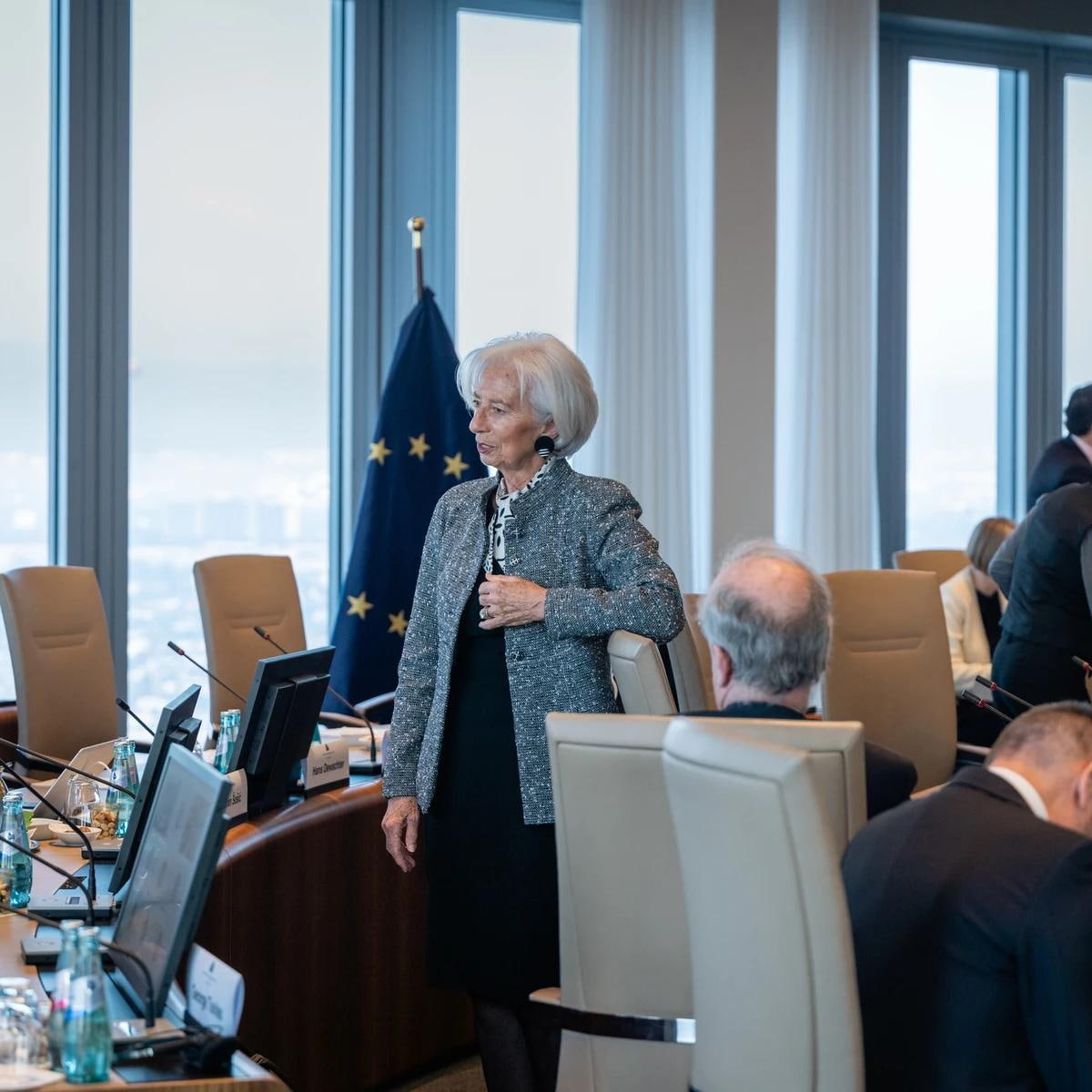
Frankfurt: The Governing Council was sitting in Berlin rather than on the Main when it did something it had not done in years, and the change of address suited the occasion. On 10 September 2026 the European Central Bank raised all three of its policy rates by 25 basis points. From 16 September the deposit facility pays 2.50 per cent, the main refinancing operations cost 2.65 per cent and the marginal lending facility 2.90 per cent. The deposit rate had been 2.25 per cent since the cutting cycle stopped.
The reason is in the energy bill. August inflation came in at 3.3 per cent, up from 2.9 per cent in July and the highest reading since September 2023. The Council’s language pointed at the conflict in the Middle East as a continuing source of price pressure and conceded that inflation is set to stay well above the two per cent target for an extended period — a formulation that does more work than its blandness suggests, because “extended” is what converts an external shock into a monetary policy problem.
The September staff projections show why. Headline inflation is put at 3.0 per cent for 2026, unchanged from June, then 2.5 per cent in 2027 and 2.1 per cent in 2028. The first figure is a shock passing through; the second and third are revisions upward from the June round, and they are the ones that decided the vote. A central bank can look through a spike in imported energy costs. It cannot look through a forecast in which the spike is still visible two years later.
Underlying inflation tells the same story in a more awkward shape. Excluding energy and food, prices are projected to rise 2.5 per cent this year, 2.6 per cent in 2027 and 2.3 per cent in 2028. The core measure therefore goes up before it comes down, and peaks in the year when headline inflation is supposed to be subsiding. That profile is the signature of second-round effects — energy costs working through transport, processing and wage bargaining — and it is precisely the pattern that monetary policy is designed to interrupt rather than accommodate.
The growth numbers explain why the Council felt able to act. Output is projected to expand 0.9 per cent in 2026, 1.4 per cent in 2027 and 1.5 per cent in 2028, which the Bank attributes to a euro area economy proving more resilient than expected. That is not a strong recovery, but it is enough to remove the argument that a tightening would tip a fragile expansion over. Had the growth line come in softer, the same inflation forecast would have produced a much harder discussion.
There is a distributional edge to all of this that the projections do not capture. An energy-driven inflation shock falls hardest on households whose consumption basket is weighted toward heating, fuel and food, and the remedy — a higher cost of borrowing — falls hardest on households and firms with debt to refinance. Southern member states with variable-rate mortgage stocks will feel the 25 basis points more sharply than those where fixed-rate lending dominates. The Council’s mandate is the euro area average; the average is not where anyone lives.
The Bank’s other major file moved on a separate track and a slower clock. The digital euro’s preparation phase ran from November 2023 to October 2025, and the project now waits on legislators. If the regulation is adopted during 2026, the ECB’s working assumption is issuance during 2029 — three years of technical build after the political decision, which is a long time in payments and an eternity in the argument about whether Europe controls its own retail infrastructure.
For now the question is narrower and more immediate: whether one step is a step or the start of a sequence. The Council has given itself no guidance to be held to, which means the December projections, and whatever the oil price does before them, will settle it.