Copenhagen: The European Environment Agency has warned that critical infrastructure failed in several sectors at once during the extreme weather of 2026, and it says repairing damaged assets will not be enough. The agency published the findings as Briefing 22/2026 on 3 November. Its central message is that failure in critical infrastructure acts as a risk multiplier, because a broken power line or a closed river can stall other sectors within hours.
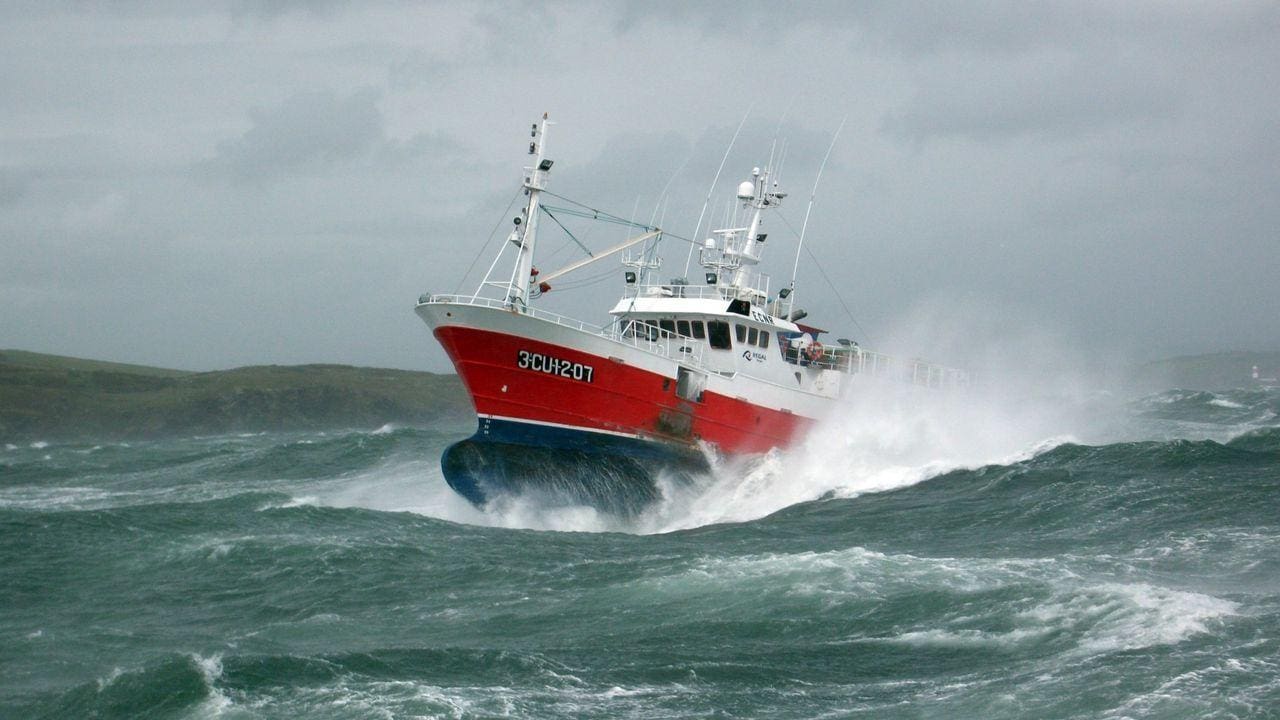
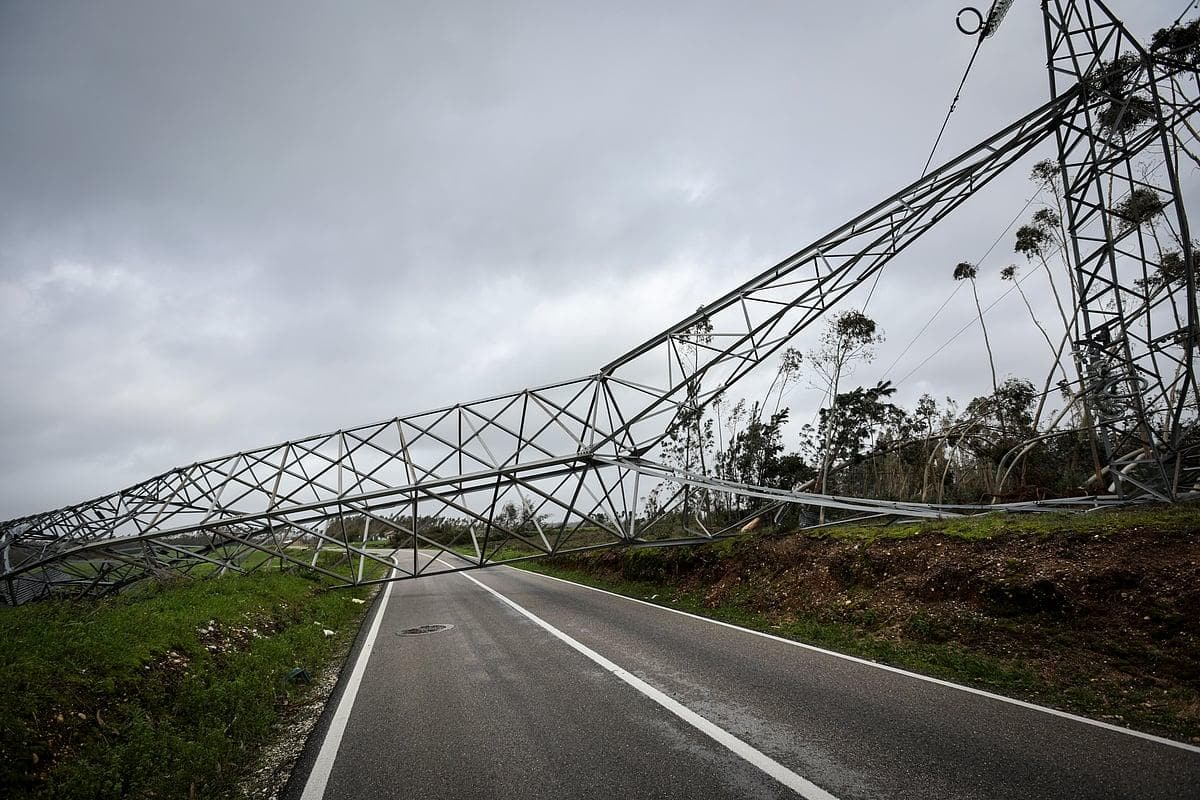
The year began with Atlantic storms that tested critical infrastructure in Portugal. Storm Kristin hit Portugal on 28 January with winds of about 200 kilometres an hour, and more than one million customers lost power. Sixty-one very high voltage pylons fell and 774 kilometres of line, about 7 percent of the transmission grid, went out. The storm also closed 345 roads and disrupted 11 rail sections. It disturbed 200,000 fixed connections and about 300,000 mobile users, and telecom restoration cost more than 63 million euros.
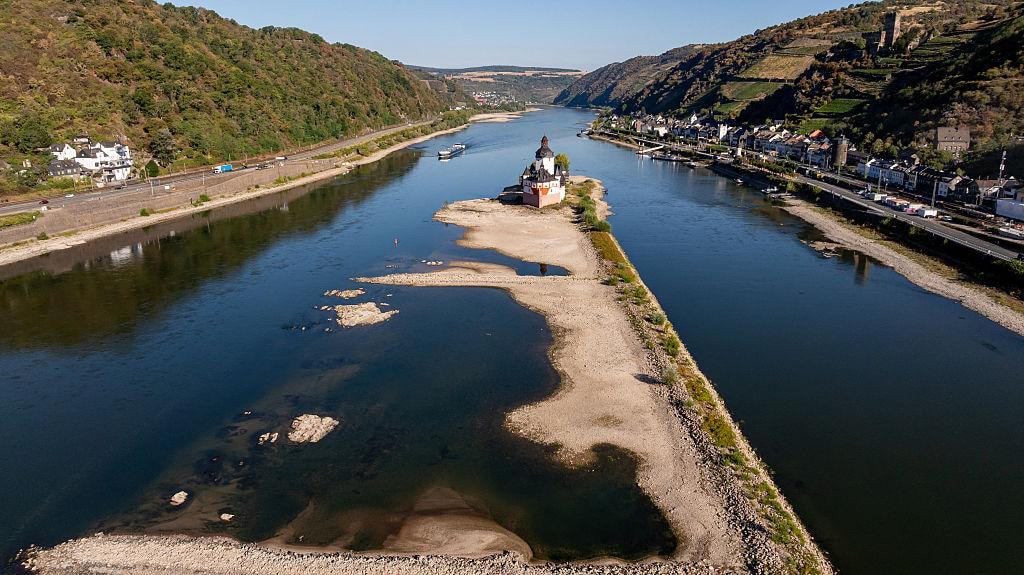
Summer brought heat and drought. Heatwaves broke records in late May and again in June, and by late July drought affected about half of EU and UK territory. The Rhine, Danube, Loire and Po fell to record lows. On 14 August the Rhine at Kaub dropped below 10 centimetres, well under the earlier record of about 25 centimetres in 2018. Tanker freight from Rotterdam to Karlsruhe rose from about 45 euros a tonne to between 150 and 155 euros.
Energy systems felt the strain. In Romania, the Cernavoda nuclear plant, which supplies about 20 percent of national output, shut one unit on 27 July and began a controlled shutdown of the second on 13 August, and the government declared a state of emergency on 31 July. Hungary’s Paks plant, which provides about 40 percent of supply, cut output. Peak demand rose by as much as 25 percent in some countries. Spain closed 2,640 kilometres of roads during summer wildfires.
The costs of damaged critical infrastructure are large. The briefing estimates an EU-wide hit to 2026 output of at least about 1 percent of GDP. Storm Kristin caused 5.3 billion euros of damage, and only 26 percent was insured. The agency also points to its second climate risk assessment, which finds that 60 percent of power failures and 24 percent of telecom failures caused outages in other sectors. Expected annual damage could rise from 3.4 billion euros in the 2000s to 37 billion euros by the 2080s.
The recommendations for critical infrastructure follow from those numbers. The agency asks operators and governments to plan for future climate conditions, to run systemic risk assessments that cover dependencies and cross-border effects, and to carry out regular stress tests. It also wants backup routes, early warning systems and clearer rules on who shares information across sectors. Operators should combine step-by-step adaptation with bigger structural change.
The page text of the briefing was only partly available during research, and some detail came from a summary, so readers should check the original tables. The direction is still clear. If governments treat 2026 as a rehearsal, they can redesign critical infrastructure before the next heatwave, drought or storm arrives.