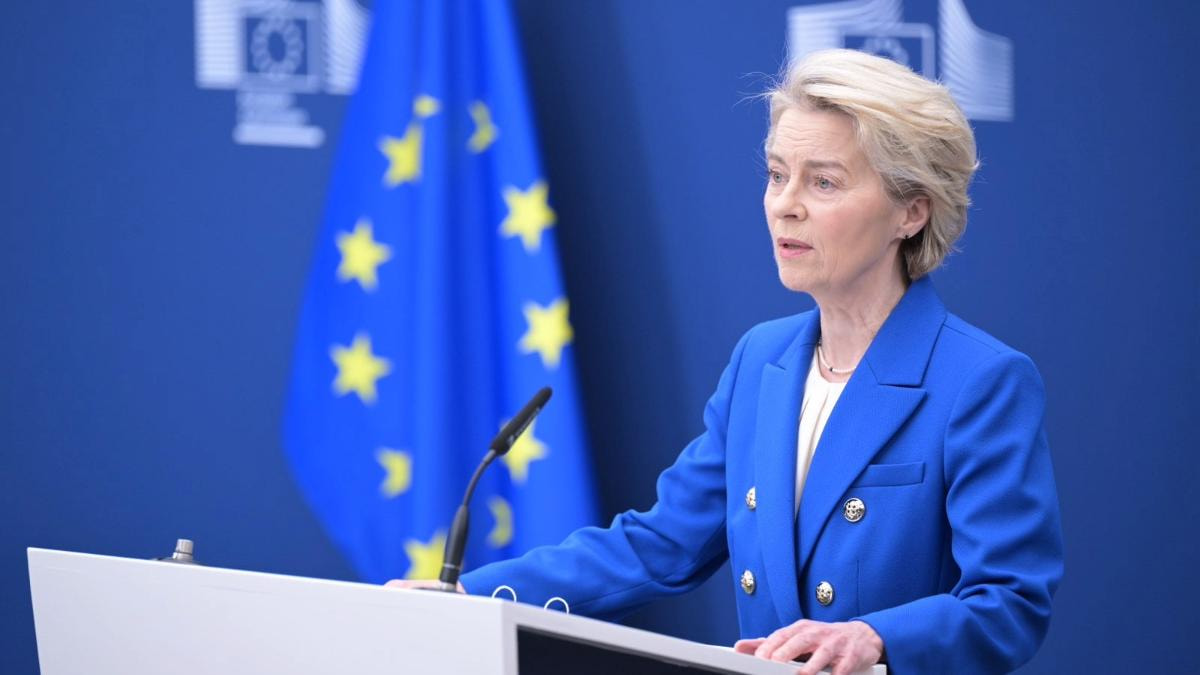
Helsinki: From a capital that shares a long frontier with Russia, the threats the European Union groups under the label of foreign interference feel less like an abstraction than a daily weather report. It is against that backdrop that the bloc’s plan to harden its politics against manipulation, the European Democracy Shield, has moved from communication to contested detail.
The Commission and the High Representative launched the initiative in November 2025, casting it as a way to defend democracy from foreign information manipulation and interference, the jargon of the field shortened to FIMI. The shield rests on three pillars: sharpening situational awareness, propping up democratic institutions and free media, and drawing citizens back into public life.
Its most concrete idea is a new body. The proposed European Centre for Democratic Resilience would knit together the scattered networks that already track disinformation, giving the Union a single hub to detect, analyse and answer coordinated campaigns. Supporters see it as the missing switchboard; sceptics ask whether another central office will change what happens in national feeds.
Parliament has now added its voice. On 23 June its special committee adopted a report setting out recommendations on protecting European democracies from interference, manipulation and hybrid threats, pressing the Commission to move faster and reach further than the original text. Lawmakers want the democracy shield to bite, not merely to signal.
The package looks beyond institutions to the information people actually consume. The Commission has floated a pan-European platform that would surface real-time reporting from professional outlets in many languages, and it wants the European Board for Media Services to write common criteria for acting against rogue non-EU broadcasters that threaten public security.
Regions and cities want a role too. Local leaders argue that disinformation and hate speech land first in communities, and that the democracy shield needs action on the ground rather than a purely central design. Their case is simple: a rumour spreads in a town square long before it reaches an official dashboard.
The politics are delicate. Any effort to police information invites the charge of policing speech, and the shield’s authors insist they mean to defend open debate rather than curb it. The Commission has gathered the strands of its approach on its democracy page, stressing a whole-of-society method over top-down control.
What happens next depends on whether the ambition survives contact with 27 governments, each with its own media landscape and its own tolerance for shared oversight. The democracy shield promises coordination against a threat that respects no border, yet a Union whose members guard their sovereignty over elections closely must build it. The coming legislative rounds will show how much steel the shield actually carries.