September 24, 2026
LATEST
Rights Groups Test the EU Civil Society Strategy as Pressure MountsJudges Weigh EU Staff Nationality Quotas in Parliament Hiring CasePatents Could Unlock Startup Loans Under the European Innovation ActHungary EU Funds Move Closer as Commission Lifts Rule of Law FreezeMinisters Debate Chips Act 2.0 as Europe Pushes for More Chip OutputMontenegro Waits on a Dutch Vote as the EU Enlargement Sprint StallsGlobal Green Bond Initiative Bets on Private Money for PartnersEurope Draws a Line on Strait of Hormuz Tolls as Iran Talks ResumeStrasbourg Lets the European Defence Fund Pay for Tests in UkraineCSAM Regulation Talks Hinge on Scanning Private MessagesGoogle GDPR Fine of €403 Million Puts Location Data on TrialMFF 2028-2034 Talks Stall as Ministers Hold Their Red LinesBanks Contest Key Parts of the EU Banking Competitiveness PlanEMFAF Amendment Offers Fishers Simpler Rules and a Quota Cut CushionTeachers Trail Pupils as AI in Education Reports Expose a Training GapMacron Presses Brussels to Relax EU Fuel Quality Rules Before WinterEurostat Fuel Prices Jump 23.8 Per Cent as Diesel Leads August RiseData Centre Rating Scheme Puts Energy and Water Use on the EU RecordEU Indo-Pacific Security Partnerships Move From Paper to the SeaEU Thailand Free Trade Agreement Heads to Phuket for Its Final ThirdRights Groups Test the EU Civil Society Strategy as Pressure MountsJudges Weigh EU Staff Nationality Quotas in Parliament Hiring CasePatents Could Unlock Startup Loans Under the European Innovation ActHungary EU Funds Move Closer as Commission Lifts Rule of Law FreezeMinisters Debate Chips Act 2.0 as Europe Pushes for More Chip OutputMontenegro Waits on a Dutch Vote as the EU Enlargement Sprint StallsGlobal Green Bond Initiative Bets on Private Money for PartnersEurope Draws a Line on Strait of Hormuz Tolls as Iran Talks ResumeStrasbourg Lets the European Defence Fund Pay for Tests in UkraineCSAM Regulation Talks Hinge on Scanning Private MessagesGoogle GDPR Fine of €403 Million Puts Location Data on TrialMFF 2028-2034 Talks Stall as Ministers Hold Their Red LinesBanks Contest Key Parts of the EU Banking Competitiveness PlanEMFAF Amendment Offers Fishers Simpler Rules and a Quota Cut CushionTeachers Trail Pupils as AI in Education Reports Expose a Training GapMacron Presses Brussels to Relax EU Fuel Quality Rules Before WinterEurostat Fuel Prices Jump 23.8 Per Cent as Diesel Leads August RiseData Centre Rating Scheme Puts Energy and Water Use on the EU RecordEU Indo-Pacific Security Partnerships Move From Paper to the SeaEU Thailand Free Trade Agreement Heads to Phuket for Its Final Third
September 24, 2026
LATEST
Rights Groups Test the EU Civil Society Strategy as Pressure MountsJudges Weigh EU Staff Nationality Quotas in Parliament Hiring CasePatents Could Unlock Startup Loans Under the European Innovation ActHungary EU Funds Move Closer as Commission Lifts Rule of Law FreezeMinisters Debate Chips Act 2.0 as Europe Pushes for More Chip OutputMontenegro Waits on a Dutch Vote as the EU Enlargement Sprint StallsGlobal Green Bond Initiative Bets on Private Money for PartnersEurope Draws a Line on Strait of Hormuz Tolls as Iran Talks ResumeStrasbourg Lets the European Defence Fund Pay for Tests in UkraineCSAM Regulation Talks Hinge on Scanning Private MessagesGoogle GDPR Fine of €403 Million Puts Location Data on TrialMFF 2028-2034 Talks Stall as Ministers Hold Their Red LinesBanks Contest Key Parts of the EU Banking Competitiveness PlanEMFAF Amendment Offers Fishers Simpler Rules and a Quota Cut CushionTeachers Trail Pupils as AI in Education Reports Expose a Training GapMacron Presses Brussels to Relax EU Fuel Quality Rules Before WinterEurostat Fuel Prices Jump 23.8 Per Cent as Diesel Leads August RiseData Centre Rating Scheme Puts Energy and Water Use on the EU RecordEU Indo-Pacific Security Partnerships Move From Paper to the SeaEU Thailand Free Trade Agreement Heads to Phuket for Its Final ThirdRights Groups Test the EU Civil Society Strategy as Pressure MountsJudges Weigh EU Staff Nationality Quotas in Parliament Hiring CasePatents Could Unlock Startup Loans Under the European Innovation ActHungary EU Funds Move Closer as Commission Lifts Rule of Law FreezeMinisters Debate Chips Act 2.0 as Europe Pushes for More Chip OutputMontenegro Waits on a Dutch Vote as the EU Enlargement Sprint StallsGlobal Green Bond Initiative Bets on Private Money for PartnersEurope Draws a Line on Strait of Hormuz Tolls as Iran Talks ResumeStrasbourg Lets the European Defence Fund Pay for Tests in UkraineCSAM Regulation Talks Hinge on Scanning Private MessagesGoogle GDPR Fine of €403 Million Puts Location Data on TrialMFF 2028-2034 Talks Stall as Ministers Hold Their Red LinesBanks Contest Key Parts of the EU Banking Competitiveness PlanEMFAF Amendment Offers Fishers Simpler Rules and a Quota Cut CushionTeachers Trail Pupils as AI in Education Reports Expose a Training GapMacron Presses Brussels to Relax EU Fuel Quality Rules Before WinterEurostat Fuel Prices Jump 23.8 Per Cent as Diesel Leads August RiseData Centre Rating Scheme Puts Energy and Water Use on the EU RecordEU Indo-Pacific Security Partnerships Move From Paper to the SeaEU Thailand Free Trade Agreement Heads to Phuket for Its Final Third

Farm Ministers Reopen the Flexibility Question on CAP Spending

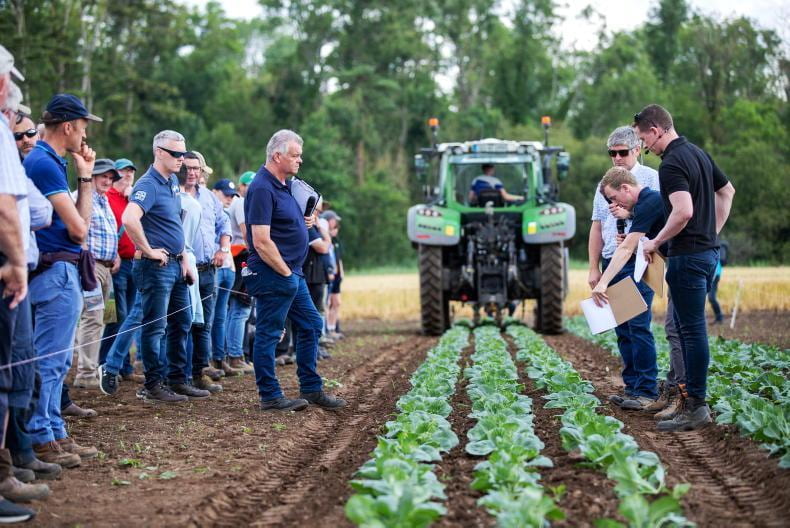
Carlow: In the tillage country of Ireland’s south-east, the practical meaning of the next Common Agricultural Policy is still an abstraction. The regulation that will govern payments from 2028 has not been agreed, and the argument about how much of it should be common at all has just been reopened.

Member states took stock of the file on 7 September at an informal meeting of the Special Committee on Agriculture in Dublin, held alongside the ministerial gathering on livestock farming that ran from 6 to 8 September. The question put to delegations was blunt: is the current balance between a common European approach and national flexibility the right one, and what remains unresolved?

The Irish Presidency reported that technical work had been progressing well, which in Council language means that nobody has walked out. But it also flagged that further work is needed on specific articles, in particular the provisions that were moved across from the proposed regulation on National and Regional Partnership Plans into the CAP text itself. Those transfers are due to be examined by the Council working party at the end of September and the beginning of October.

The transfers matter more than their procedural description suggests. When the Commission published its legislative package on 16 July 2025, it set out a budgetary and regulatory architecture for the Multiannual Financial Framework covering 2028 to 2034 in which agricultural spending would sit inside broader national plans rather than standing alone. Farm organisations read that as the beginning of the end of a ring-fenced agricultural budget. Finance ministries read it as overdue rationalisation. Moving provisions back into the CAP regulation is a partial concession to the first reading without abandoning the second.

What emerges depends on where the line between common rules and national discretion is finally drawn. The previous reform already delegated a great deal to member states through strategic plans, and the results were instructive. Environmental conditionality that looked uniform on paper produced markedly different requirements on the ground depending on how each capital interpreted it. Some delegations now argue that the lesson is to tighten the common core. Others argue precisely the opposite, that the lesson is that Brussels cannot write rules that fit both Andalusian olive groves and Finnish forestry holdings, and should stop trying.

Livestock has become the pressure point where this argument becomes concrete. The ministerial discussions in Dublin covered the sector’s position in a policy framework that must simultaneously support rural incomes, reduce methane emissions, respond to animal disease risk and avoid pushing production to third countries with weaker standards. Ireland, with a national herd that dominates its agricultural output and its emissions profile, has an obvious interest in keeping that conversation on the agenda while it holds the Presidency.

Generational renewal is the other thread that keeps surfacing. The average age of European farmers continues to rise, and the proportion of holders under forty remains stubbornly low. Every reform cycle produces instruments aimed at young entrants, and every cycle they are judged insufficient against land prices and the cost of establishment. The current proposals include installation support, but the underlying arithmetic of buying into a capital-intensive business has not changed.

The Parliament’s agriculture committee is working through the same text on its own timetable, and the two institutions will eventually have to reconcile positions that are not currently close. Nothing forces a conclusion before the wider budget negotiation resolves, and that negotiation has a long way to run.

In the meantime the working party will meet, article by article, and the balance will shift a few words at a time. Farmers in Carlow will find out what it means when the payment schedules are published, which on the current timetable is still more than a year away.