Almería: In a province where aquifer levels have been a political subject for half a century, the argument over how the Union governs its water has always been more than procedural. The complaint five environmental organisations lodged on 8 September is nonetheless entirely about procedure, and that is precisely its point.
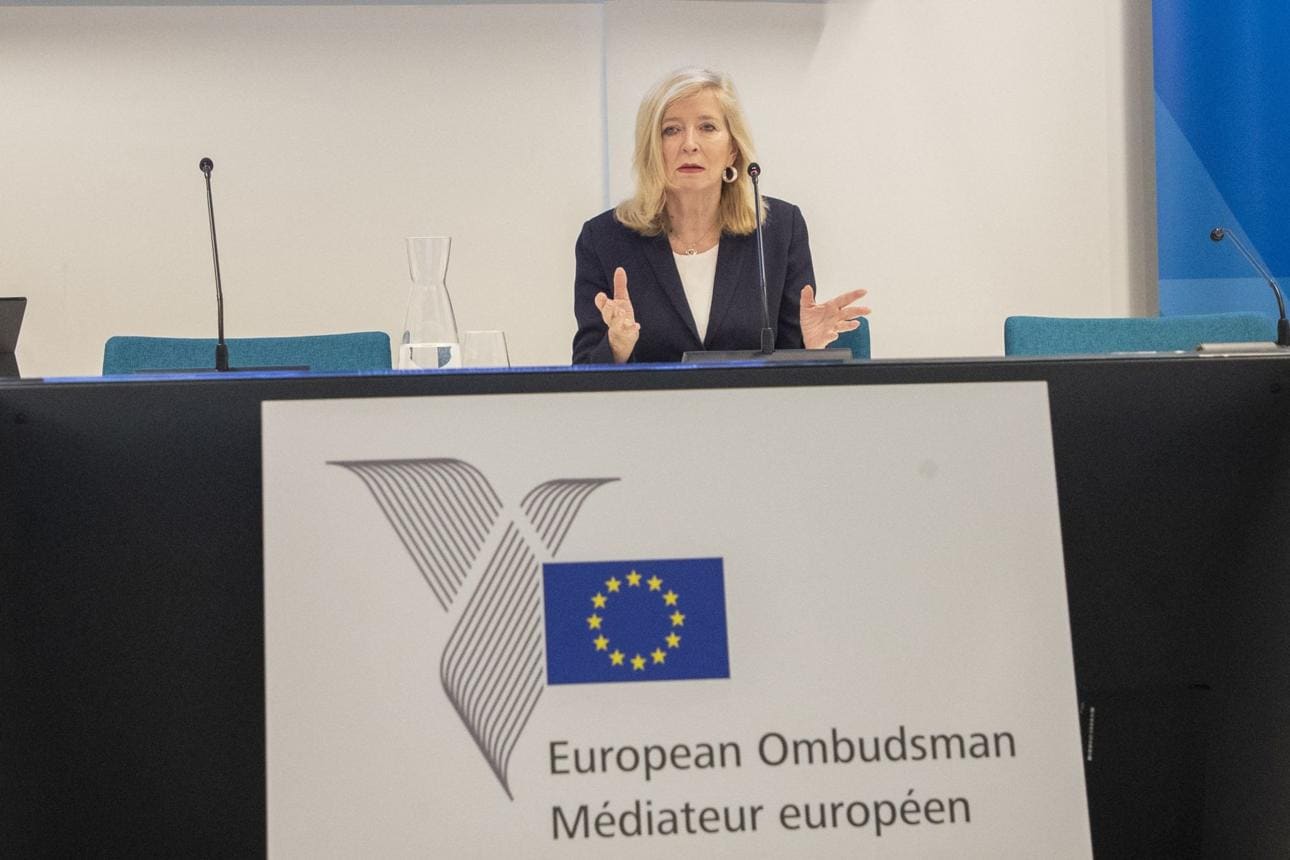
The European Environmental Bureau, the European Anglers’ Alliance, Surfrider Foundation Europe, Wetlands International Europe and the WWF European Policy Office have asked the European Ombudswoman to find maladministration by the Commission over its decision to revise the Water Framework Directive. They are not, in this instrument, arguing that the Directive should be left alone. They are arguing that the Commission decided to reopen it before it had the evidence to know whether reopening was warranted.
The sequence is the substance of the case. In December 2025 the Commission announced, as part of its RESourceEU Action Plan, that it would review and revise the Directive, citing the need to ease access to critical raw materials. The Call for Evidence followed on 17 March 2026 — three months after the announcement. The complainants say this inverts the order that the Commission’s own Better Regulation guidelines require: consultation and evidence gathering are meant to inform a decision, not to be collected once the decision has been communicated.
The Water Framework Directive is twenty-five years old and is the load-bearing instrument of Union water policy. It obliges member states to achieve good ecological and chemical status for surface and groundwater bodies, organises management by river basin rather than by national border, and contains a non-deterioration obligation that the Court of Justice has interpreted strictly — most consequentially in the Weser judgment, which established that a project causing deterioration in a single quality element must in principle be refused. That reading is why the Directive bites on infrastructure, and why the mining sector regards it as an obstacle.
The raw materials framing supplies the motive. Union demand for lithium, cobalt, nickel and rare earths is projected to rise steeply, extraction is water-intensive, and several identified deposits sit in catchments where a new abstraction or discharge would be hard to reconcile with non-deterioration. Whether that argues for amending the Directive or for building the permitting capacity to apply it properly is exactly the question the complainants say was never asked.
The complaint also sits in a longer series. Environmental organisations have brought a string of challenges against the Commission’s simplification programme — the omnibus packages that have reopened sustainability reporting, due diligence and deforestation rules, each justified by competitiveness and each, the complainants argue, decided before it was assessed. The water case is the one where the underlying legislation has the strongest record of measurable environmental effect, which is why it was chosen.
What the Ombudswoman can do is narrow. Her office issues findings and recommendations; it does not annul decisions. A finding of maladministration would not stop the revision. It would, however, produce a public document stating that the Commission departed from its own procedural commitments, and that document would follow the proposal through Parliament and Council, where several delegations are already uneasy about the direction.
The Commission’s position is that announcing an intention to review is not the same as deciding a legal text, and that the Call for Evidence and subsequent impact assessment will shape whatever is proposed. That distinction is defensible in principle. Whether it survives contact with a December announcement that used the word revise is what the Ombudswoman now has to decide.