Toulouse: The tractors that blockaded European capitals in the winter of 2024 have long since returned to the fields, but the political tremor they caused is still reshaping farm policy. The clearest evidence sits in Regulation (EU) 2025/2649, the simplification package that entered into force on the first day of this year and that national administrations are now scrambling to translate into revised strategic plans.
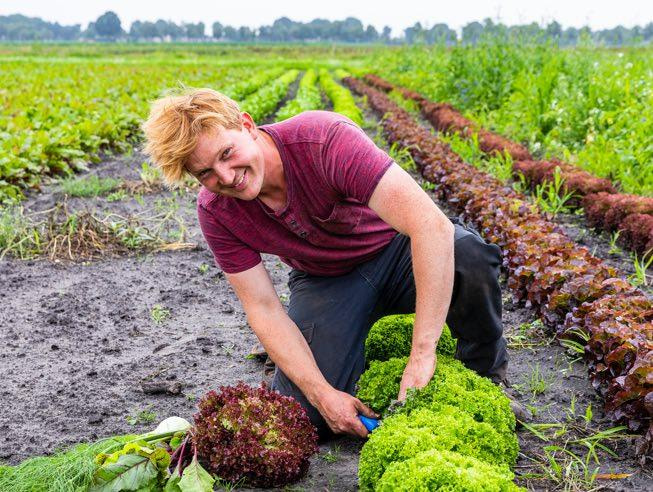
The reform, shorthanded in policy circles as the agricultural omnibus, was the Commission’s most direct answer to the protests. It loosens the Good Agricultural and Environmental Conditions, the green strings attached to subsidies that farmers complained were impossible to satisfy in a wet spring or a dry autumn. Farms partly certified as organic are now exempt from some of those conditions outright. The cap on the simplified small-farmer payment rises to 3,000 euros a year, and support for developing small holdings climbs to 75,000 euros. Member states may also pay farmers directly for protecting wetlands and peatlands rather than merely policing the rule.
The numbers attached are modest beside the common agricultural policy’s vast envelope, but the Commission estimates the streamlining could save farmers and national bureaucracies up to 215 million euros a year, much of it in inspections that will no longer happen. Fewer on-farm checks is precisely what the protest movement demanded, and precisely what environmental groups fear, warning that lighter enforcement risks hollowing out the climate conditions that justified the subsidies in the first place.
The action now shifts to the member states, which must rewrite their CAP Strategic Plans, the dense national blueprints that decide who gets paid for what, to absorb the new flexibilities. That is unglamorous administrative work, but it determines whether the promised relief reaches a farmer in the Massif Central or a cooperative in Andalusia this season or next. The Commission, having delivered a January tranche of further simplifications, is signalling that more is on the way.
The unresolved tension is structural. The bloc has bought peace with the farm lobby by trading away administrative friction, but the Green Deal commitments those rules were meant to serve have not been repealed, only relaxed. Squaring a less burdensome policy with the bloc’s biodiversity and emissions targets is the puzzle the next budget negotiation will have to solve, and the omnibus has merely postponed it. Farm ministries have until later this year to submit their amended plans to the Commission for approval, which means the practical effect of the omnibus will be felt unevenly across the bloc, arriving sooner in administrations that move quickly and later in those that do not.