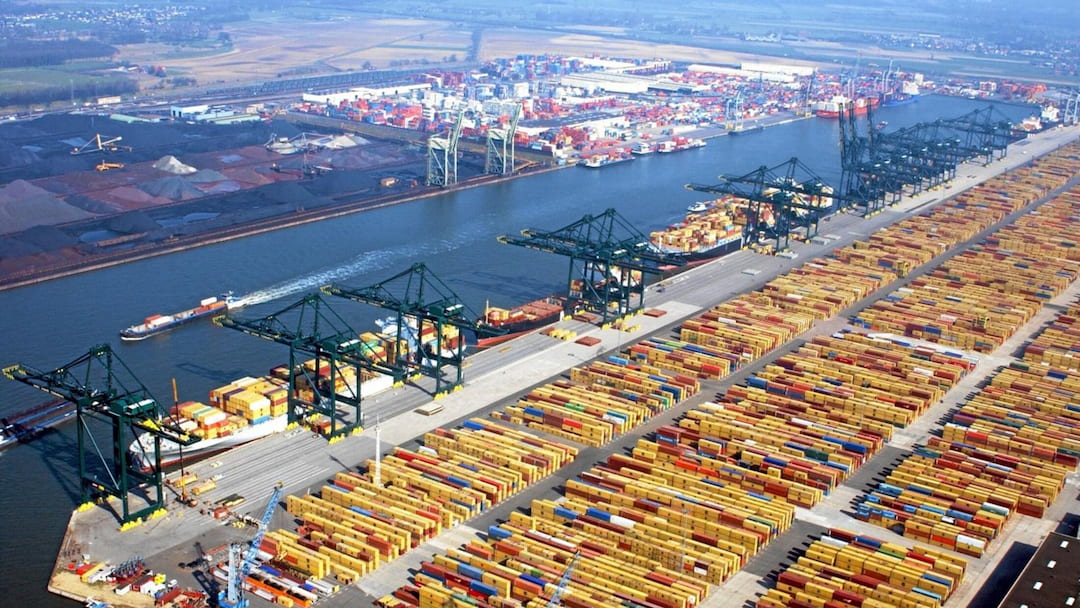
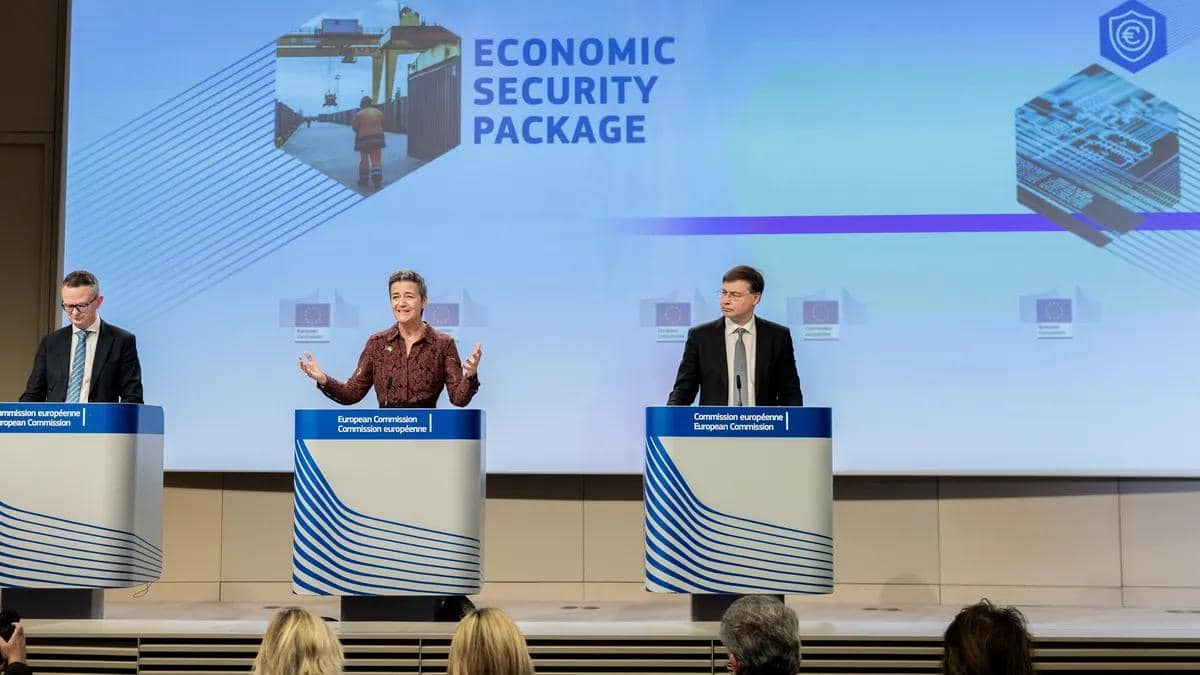
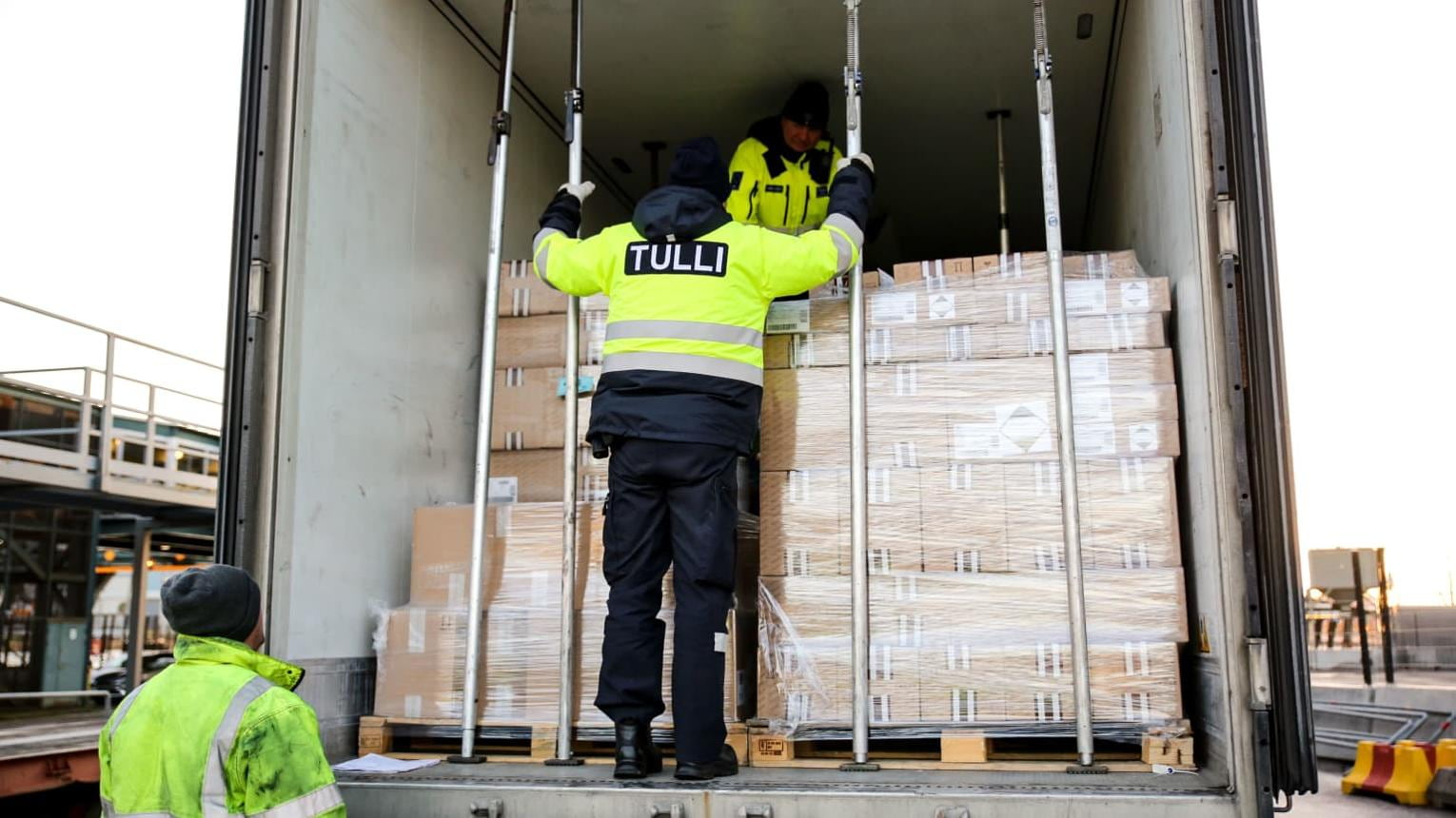
Hamburg: A small but significant marker of Europe’s customs overhaul takes effect at the start of July, when a flat three-euro duty begins applying to e-commerce parcels worth up to 150 euros, the threshold whose elimination was the headline item of the political agreement struck between Council and Parliament on 26 March. The handling fee is a transitional bridge to the EU Customs Data Hub, which becomes operational for e-commerce consignments on 1 July 2028, and it lands at one of the busiest gateways in the bloc. Hamburg’s customs administration has been preparing operational guidance for cross-border platforms since the March deal cleared, and the port’s brokers are scrambling to update tariff classification systems before the summer.
The reform’s contours go far beyond the new fee. The Union Customs Code rewrite, the most fundamental change to EU customs law since 1968, introduces a centralised data hub that will eventually replace more than a hundred fragmented national customs IT systems. Importers and exporters will submit data to one Union-level interface rather than file declaration after declaration to twenty-seven different authorities, and the data hub will allow real-time risk assessment rather than the transaction-by-transaction picture that customs officials currently work with. The hub launches for e-commerce flows in 2028 and reaches full coverage by 1 March 2034.
A parallel innovation, less visible in the public debate but operationally consequential, is the new Trust and Check Trader status. The new tier sits alongside the existing authorised economic operator framework rather than replacing it, but the requirements are different. Companies seeking the new status must build electronic systems capable of feeding real-time data on consignments into the customs hub, accepting in exchange a regime of fully automated clearance with minimal direct customs intervention. Existing authorised economic operators, who already meet a foundational compliance level, do not transition automatically. They must add the electronic interaction layer that defines the new tier.
For Hamburg’s logistics cluster the practical question is who can credibly meet the new requirements when applications open. The port’s largest forwarders, several of which already operate authorised economic operator certificates dating to the 2008 framework, are budgeting for the systems investment needed to plug their consignment data into the eventual hub. Smaller intermediaries, particularly those who specialise in cross-border returns, have warned the German customs authority that the compliance bar may push them out of the market unless transitional support is forthcoming.
The flat-rate parcel duty is in some ways the cleanest part of the package. It is meant to address the explosive growth of small-package imports from outside the bloc, which had been distorting competition with domestic retailers and consuming customs capacity at disproportionate rates. The Commission’s working assumption is that the three-euro charge will reduce the volume of low-value imports significantly while generating revenue that supports the build-out of customs infrastructure. The final text of the reform is expected to be published in the Official Journal in the autumn, with entry into force twelve months after that publication.
For Hamburg and other gateway cities, the longer arc matters more than any single date. The 2034 horizon for full hub coverage is a decade of staged change, during which trader compliance, technology investment and political will need to keep pace with one another. The flat-rate fee, modest as it is, is the first measurable step of that arc, and it begins in just over a month.