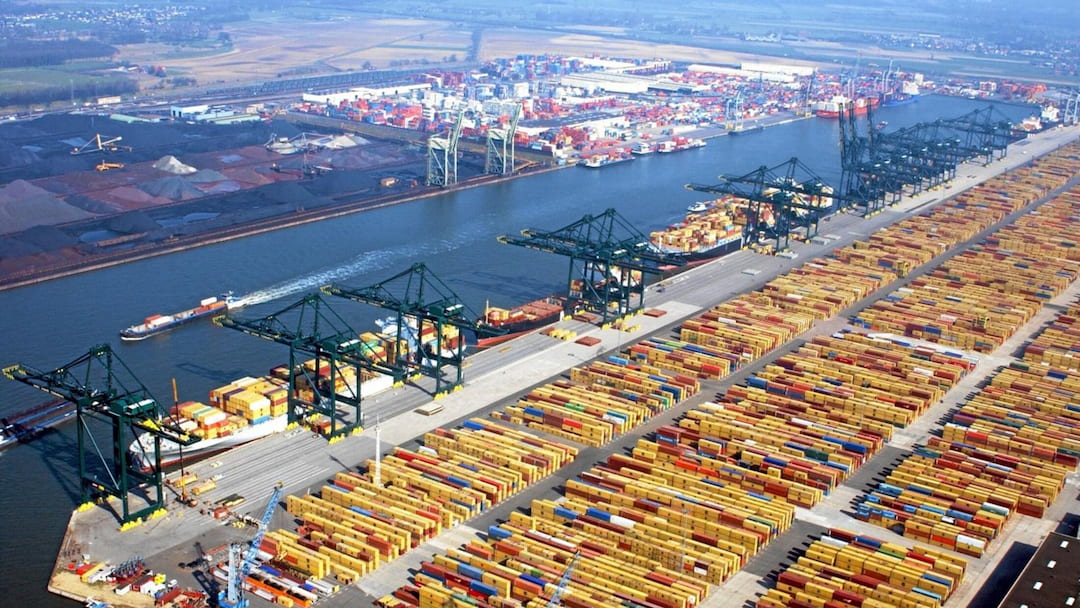
Antwerp: In one of the busiest ports on the continent, millions of consignments pass through a patchwork of twenty-seven national customs systems that rarely speak the same language. Europe’s answer is a single institution and a single screen, and both are now moving from blueprint to reality.
Under the historic reform of the Union customs code agreed earlier this year, the bloc will stand up an EU Customs Authority to coordinate how goods are checked at its external frontier. The new body will oversee a common customs data hub, a digital front door where traders lodge information once rather than filing it separately in every country they touch.
The prize is a customs union that behaves like one border rather than twenty-seven. Today a smuggler or a careless importer can shop around for the softest entry point, slipping unsafe or undervalued goods through whichever office is least equipped to spot them. A shared data pool, fed by risk analysis and eventually artificial intelligence, aims to close those gaps and let officers concentrate scarce resources on the riskiest cargo.
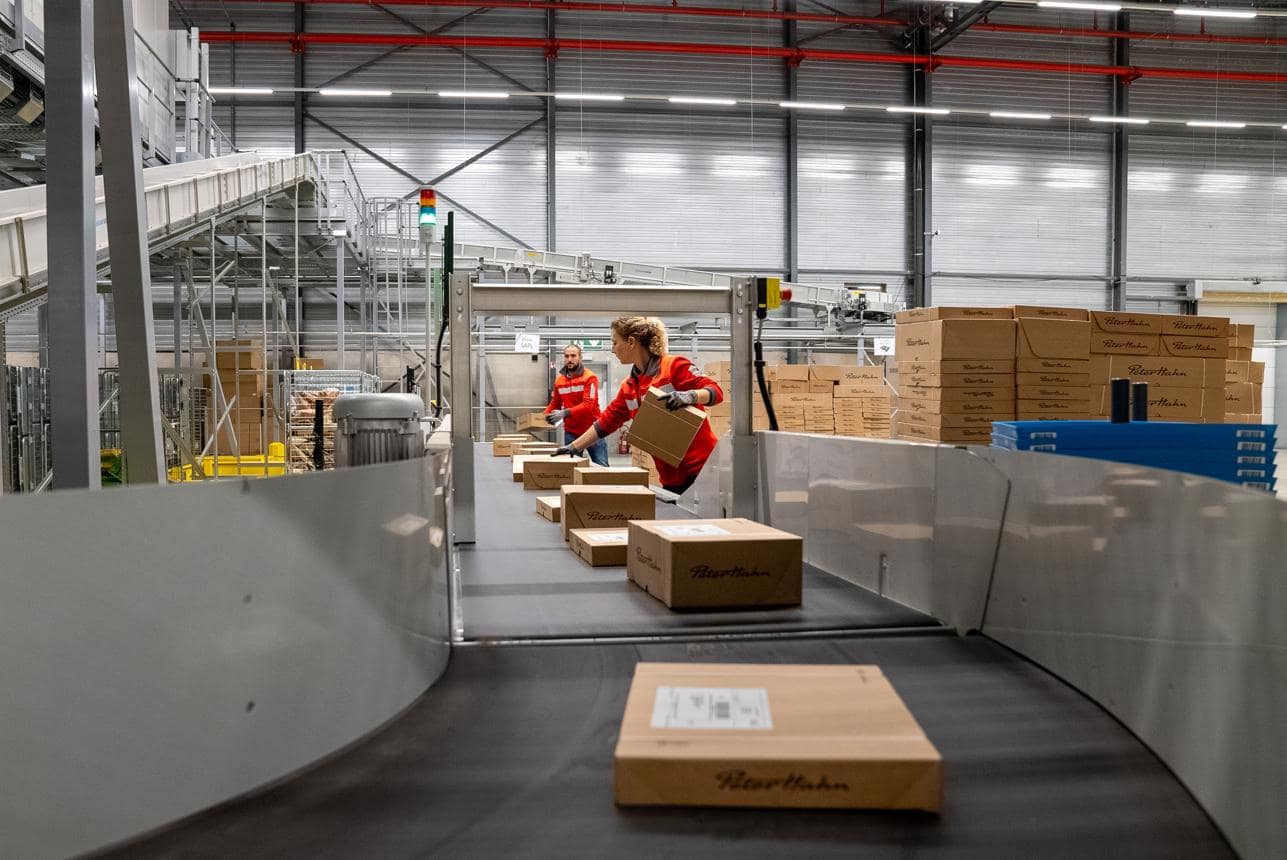
The timing matters because the flood of small parcels from distant online sellers has overwhelmed the old model, which was built for containers and pallets, not billions of individual packets. Recent changes have already stripped away the duty-free treatment once enjoyed by the cheapest imports, and a temporary flat fee now applies to low-value consignments. The authority is meant to give enforcers the tools to make those rules stick.
Compliance-minded firms stand to gain. Traders with clean records will qualify for lighter checks and simpler procedures, a reward the reform frames as trusted status. Product identifiers will soon become mandatory, giving inspectors a faster way to detect goods that fail Europe’s safety and environmental standards before they reach a shelf.
None of this arrives overnight. The authority will start small and scale up over years, and the data hub will be phased in gradually, with the heaviest lifting still ahead. National administrations, jealous of their turf and their revenue, will test how much power a central body can really wield. Yet the direction is unmistakable. After decades of talking about a genuine single customs space, Europe is finally building the machinery to run one.