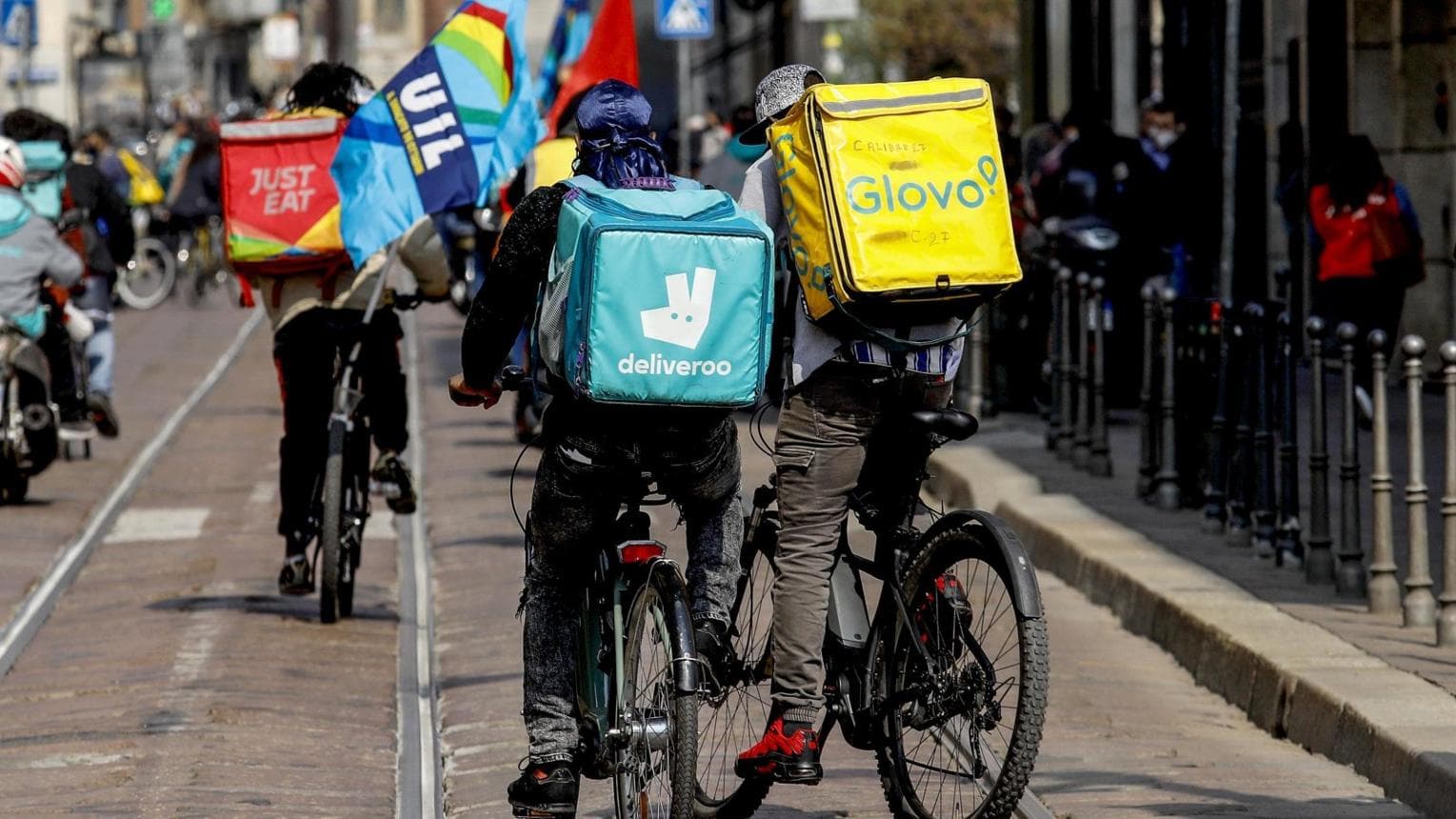
Berlin: The clock is running down on one of the most contentious labour reforms the Union has attempted in a generation. Member states have until 2 December to write the Platform Work Directive into national law, and the choices they make in the coming months will decide whether millions of couriers, drivers and micro-taskers are treated as independent contractors or as employees with the rights that status carries.
The directive, adopted in October 2024 and in force since that December, attacks the problem from two directions. First, it establishes a legal presumption of employment: where the facts of a working relationship suggest control by a platform, the worker is presumed to be an employee, and it falls to the company to prove otherwise, reversing a burden of proof that for years left individuals fighting costly cases alone. Second, it imposes the Union’s first serious rules on algorithmic management, banning platforms from processing certain categories of personal data, requiring human review of consequential automated decisions such as dismissals or account suspensions, and giving workers the right to understand how the systems ranking and paying them actually operate.
How much this changes daily life depends almost entirely on transposition, and here the map is uneven. Belgium, Spain and Portugal already operate presumptions of employment that broadly match the directive’s logic, giving them a head start. Germany has begun moving legislation forward, while France, Ireland and Italy remain in consultation or early drafting. Because the directive leaves member states latitude over how the presumption is triggered and rebutted, a courier in Barcelona and one in Dublin could end up with very different protections from the same European text.
Businesses are watching nervously. Platforms warn that reclassifying large parts of their workforce would raise costs, reduce the flexibility that many workers say they value, and could shrink the number of gigs on offer. Labour advocates respond that flexibility and employment rights are not mutually exclusive, and that the current model too often externalises the costs of sickness, accidents and pensions onto workers and public budgets. Both sides agree on one point: the algorithmic-management provisions may ultimately prove more far-reaching than the employment presumption, because they set a precedent for how automated systems can be used to direct human labour in any sector, not just food delivery and ride-hailing.
The risk the Commission is trying to avoid is a patchwork so fragmented that platforms simply route work to the most permissive jurisdictions. With barely five months until the deadline and most large economies still drafting, that outcome is not far-fetched. The next half-year of national lawmaking will show whether the directive becomes a genuine floor of rights across the single market, or a set of principles honoured differently in every capital.