August 10, 2026
LATEST
Europe’s Air Quality Improves but WHO Limits LoomTwelve New EU Medicines Win a Green Light from EMAFIFA Agent Rules Must Answer to Europe’s CourtsTachograph Rules Now Reach Vans Crossing Europe’s BordersNature Restoration Plans Come Due as a Hard Deadline NearsBrussels Opens a State Aid Probe Into Spain’s Renewables PayoutBrussels Extends Its Tariff Suspension on US Goods IndefinitelyFarmers Win Stronger Contract Rights Across the EU Supply ChainEurope Finally Locks In Its 348-Satellite Answer to StarlinkPlatform Work Rules Face a National Scramble Before DecemberDuty-Free Parcels Reach the End of the Line for EU ShoppersAfter Nine Years, Europe and Australia Seal a Trade PactBeijing Answers Europe’s Russia Sanctions in KindOne Year On, the EU-Japan Alliance Faces Its First TestEurope’s Chip Ambitions Still Run Through Taiwan’s FabsWhy South Korea Bet Its Research Future on Europe’s ProgrammeEurope and Japan Deepen Their Economic Alliance as Rivals CircleFive Joint Defence Projects Launch Europe’s Military ShieldElectrification Plan Aims to Make Europe First Electro ContinentHorizon Europe Budget Fight Heats Up as Ministers Push BackEurope’s Air Quality Improves but WHO Limits LoomTwelve New EU Medicines Win a Green Light from EMAFIFA Agent Rules Must Answer to Europe’s CourtsTachograph Rules Now Reach Vans Crossing Europe’s BordersNature Restoration Plans Come Due as a Hard Deadline NearsBrussels Opens a State Aid Probe Into Spain’s Renewables PayoutBrussels Extends Its Tariff Suspension on US Goods IndefinitelyFarmers Win Stronger Contract Rights Across the EU Supply ChainEurope Finally Locks In Its 348-Satellite Answer to StarlinkPlatform Work Rules Face a National Scramble Before DecemberDuty-Free Parcels Reach the End of the Line for EU ShoppersAfter Nine Years, Europe and Australia Seal a Trade PactBeijing Answers Europe’s Russia Sanctions in KindOne Year On, the EU-Japan Alliance Faces Its First TestEurope’s Chip Ambitions Still Run Through Taiwan’s FabsWhy South Korea Bet Its Research Future on Europe’s ProgrammeEurope and Japan Deepen Their Economic Alliance as Rivals CircleFive Joint Defence Projects Launch Europe’s Military ShieldElectrification Plan Aims to Make Europe First Electro ContinentHorizon Europe Budget Fight Heats Up as Ministers Push Back
August 10, 2026
LATEST
Europe’s Air Quality Improves but WHO Limits LoomTwelve New EU Medicines Win a Green Light from EMAFIFA Agent Rules Must Answer to Europe’s CourtsTachograph Rules Now Reach Vans Crossing Europe’s BordersNature Restoration Plans Come Due as a Hard Deadline NearsBrussels Opens a State Aid Probe Into Spain’s Renewables PayoutBrussels Extends Its Tariff Suspension on US Goods IndefinitelyFarmers Win Stronger Contract Rights Across the EU Supply ChainEurope Finally Locks In Its 348-Satellite Answer to StarlinkPlatform Work Rules Face a National Scramble Before DecemberDuty-Free Parcels Reach the End of the Line for EU ShoppersAfter Nine Years, Europe and Australia Seal a Trade PactBeijing Answers Europe’s Russia Sanctions in KindOne Year On, the EU-Japan Alliance Faces Its First TestEurope’s Chip Ambitions Still Run Through Taiwan’s FabsWhy South Korea Bet Its Research Future on Europe’s ProgrammeEurope and Japan Deepen Their Economic Alliance as Rivals CircleFive Joint Defence Projects Launch Europe’s Military ShieldElectrification Plan Aims to Make Europe First Electro ContinentHorizon Europe Budget Fight Heats Up as Ministers Push BackEurope’s Air Quality Improves but WHO Limits LoomTwelve New EU Medicines Win a Green Light from EMAFIFA Agent Rules Must Answer to Europe’s CourtsTachograph Rules Now Reach Vans Crossing Europe’s BordersNature Restoration Plans Come Due as a Hard Deadline NearsBrussels Opens a State Aid Probe Into Spain’s Renewables PayoutBrussels Extends Its Tariff Suspension on US Goods IndefinitelyFarmers Win Stronger Contract Rights Across the EU Supply ChainEurope Finally Locks In Its 348-Satellite Answer to StarlinkPlatform Work Rules Face a National Scramble Before DecemberDuty-Free Parcels Reach the End of the Line for EU ShoppersAfter Nine Years, Europe and Australia Seal a Trade PactBeijing Answers Europe’s Russia Sanctions in KindOne Year On, the EU-Japan Alliance Faces Its First TestEurope’s Chip Ambitions Still Run Through Taiwan’s FabsWhy South Korea Bet Its Research Future on Europe’s ProgrammeEurope and Japan Deepen Their Economic Alliance as Rivals CircleFive Joint Defence Projects Launch Europe’s Military ShieldElectrification Plan Aims to Make Europe First Electro ContinentHorizon Europe Budget Fight Heats Up as Ministers Push Back

How OLAF Traced 4,200 Tonnes of Textile Waste Out of Italy

Prato: In the Tuscan city where Europe’s textile trade has churned for centuries, the discarded end of that business has become a lucrative crime. Bales of unsold clothing, factory offcuts and worn-out garments are supposed to be sorted, recycled or safely disposed of under strict environmental rules. Instead, investigators have found, a growing share of it simply vanishes onto trucks bound for countries where oversight is thinner and the paperwork is easy to forge.

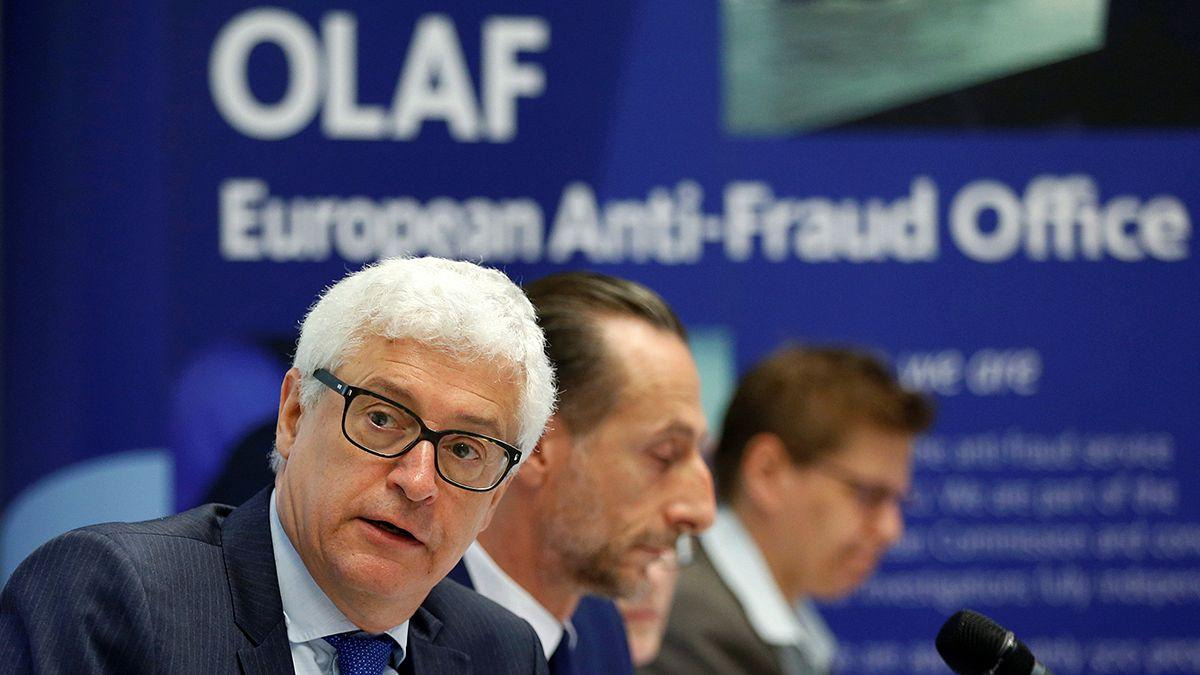
The European Anti-Fraud Office confirmed in late June that it had helped national authorities unravel one such operation, identifying roughly 4,200 tonnes of textile waste that had been illegally shipped from Italy to Turkiye. The numbers alone are striking, but the mechanics matter more. Waste that is labelled for legitimate recovery attracts little scrutiny at the border; waste that is quietly relabelled and routed through an obliging intermediary can be dumped or burned far from the eyes of European regulators, all while the operators collect disposal fees they never intend to honour honestly.

What makes the case instructive is how the fraud was caught. OLAF does not carry out arrests or seize property itself; its role is to follow the money and the movement of goods across jurisdictions that individual member states cannot easily see past. By cross-referencing shipping manifests, company records and customs declarations, its analysts reconstructed a pattern that no single national inspector would have spotted. The resulting raid, carried out by Italian authorities, led to the seizure of the company’s operating facilities, a fleet of articulated lorries pressed into service for the illegal transport, and financial assets estimated at around twelve million euros.

The episode lands at an awkward moment for the Union’s environmental ambitions. The bloc has spent years building an elaborate architecture of waste-shipment rules, extended producer responsibility and recycling targets, all premised on the assumption that material declared for recovery is actually recovered. Every tonne diverted to an illegal dump abroad is a tonne that undermines those targets while exporting an environmental burden to a neighbour. Textiles are a particularly vexing category, because the volumes are enormous, the value of the waste is low, and the temptation to make it someone else’s problem is correspondingly high.

For OLAF, the textile case is one strand in a busier season. The same office recently helped Portuguese authorities break up a trade in counterfeit truck parts worth hundreds of thousands of euros, and it has been steadily expanding its use of intelligence analysis and digital tools to trace fraud that hides inside legitimate supply chains. None of this generates the headlines that a corruption scandal might, yet the cumulative effect is meaningful: money clawed back, criminal logistics dismantled, and a signal sent that the space between two national jurisdictions is not a blind spot.

The harder question is whether enforcement can keep pace with incentives. As recycling obligations tighten and the cost of doing the right thing rises, the reward for cheating rises with it. Investigators can dismantle one network, but the underlying economics that made textile smuggling attractive remain firmly in place. Until the legitimate disposal of Europe’s cast-off clothing becomes cheaper and simpler than shipping it quietly out the back door, cases like the one traced from this Tuscan textile hub are likely to keep landing on OLAF’s desk.