Rome: Italy will stay inside the EU’s excessive deficit procedure for at least another year after national statistics office Istat confirmed on 22 September 2026 that the country’s 2025 budget shortfall reached 3.1 per cent of GDP, a whisker above the 3 per cent ceiling set by the Stability and Growth Pact. The figure is an improvement on the 3.4 per cent recorded in 2024 and matches the preliminary estimate published in April, but it was not low enough to allow the early exit the government had been hoping for.
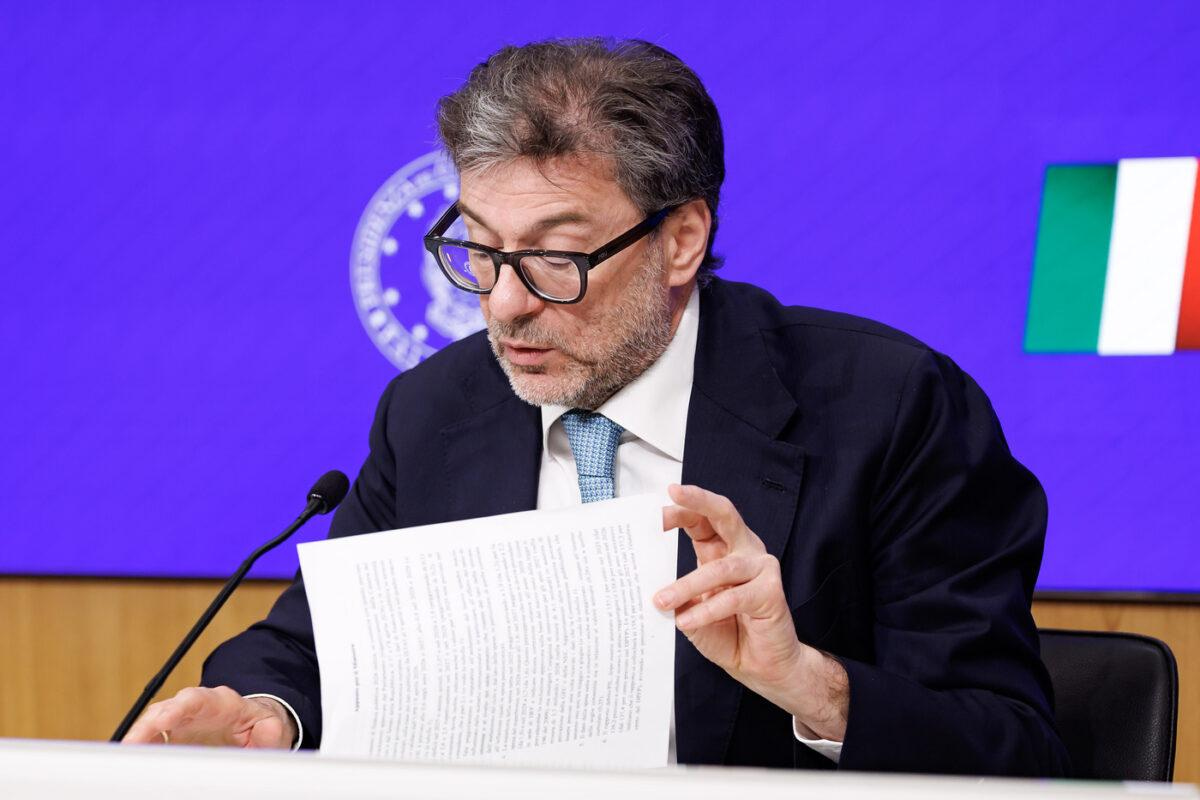
The margin could hardly have been thinner. The April estimate had put the deficit at 3.07 per cent, and to be rounded down to 3.0 it would have needed to fall to 2.94 per cent. Istat’s revision instead raised estimated revenue by about €1.99 billion and spending by about €2.35 billion, adding roughly €355 million to the gap. Economy minister Giancarlo Giorgetti said he had taken note of the data with regret and conceded that Italy would not close the procedure ahead of schedule, adding that it could do so in 2027.
Under EU fiscal rules, an excessive deficit procedure can be closed only when both the previous year’s deficit and the projection for the current year are at or below 3 per cent. In June the European Commission had judged that Italy had taken effective action in response to its recommendations, which kept the country on a compliant track, but the rounding now pushes any decision on closure into the next cycle. Eurostat’s second annual notification of member states’ deficit and debt data, due on 21 October, will set the formal numbers on which Brussels relies.
Remaining in the excessive deficit procedure has concrete consequences. Italy must keep reducing its structural deficit by around 0.5 percentage points a year and respect limits on net expenditure growth. That squeezes room in the 2027 budget, the last before a general election expected next year, just as the government faces pressure to support households hit by high energy prices. Public debt climbed to 137.1 per cent of GDP in 2025, the second-highest ratio in the Union after Greece, which leaves little tolerance for slippage.
The outcome also complicates Rome’s options on the national escape clause for defence and energy spending. The clause could allow up to 1.5 per cent of GDP, about €30 billion, to be kept outside deficit calculations over two years, but Giorgetti has voiced doubts about using it for fear of keeping Italy locked in the procedure for years. Prime Minister Giorgia Meloni suggested in April suspending the EU spending rules across the bloc because of the economic fallout from the Iran war, an idea that found little support among fiscally cautious capitals.
Deputy Prime Minister Matteo Salvini called it surreal that a major industrial economy should depend on decimal points to know whether it could invest, while opposition parties described the figure as a setback for the government. Italy was placed under the procedure in 2024 alongside France, Belgium, Hungary, Malta, Poland and Slovakia, and its trajectory will be watched as a test of whether the reformed fiscal framework rewards steady consolidation or punishes countries for rounding errors.