August 10, 2026
LATEST
Europe Courts Central Asia to Break Its Reliance on Russian TransitMercosur Deal Takes Effect in Limbo as Judges Weigh Its FateEurope’s Air Quality Improves but WHO Limits LoomTwelve New EU Medicines Win a Green Light from EMAFIFA Agent Rules Must Answer to Europe’s CourtsTachograph Rules Now Reach Vans Crossing Europe’s BordersNature Restoration Plans Come Due as a Hard Deadline NearsBrussels Opens a State Aid Probe Into Spain’s Renewables PayoutBrussels Extends Its Tariff Suspension on US Goods IndefinitelyFarmers Win Stronger Contract Rights Across the EU Supply ChainEurope Finally Locks In Its 348-Satellite Answer to StarlinkPlatform Work Rules Face a National Scramble Before DecemberDuty-Free Parcels Reach the End of the Line for EU ShoppersAfter Nine Years, Europe and Australia Seal a Trade PactBeijing Answers Europe’s Russia Sanctions in KindOne Year On, the EU-Japan Alliance Faces Its First TestEurope’s Chip Ambitions Still Run Through Taiwan’s FabsWhy South Korea Bet Its Research Future on Europe’s ProgrammeEurope and Japan Deepen Their Economic Alliance as Rivals CircleFive Joint Defence Projects Launch Europe’s Military ShieldEurope Courts Central Asia to Break Its Reliance on Russian TransitMercosur Deal Takes Effect in Limbo as Judges Weigh Its FateEurope’s Air Quality Improves but WHO Limits LoomTwelve New EU Medicines Win a Green Light from EMAFIFA Agent Rules Must Answer to Europe’s CourtsTachograph Rules Now Reach Vans Crossing Europe’s BordersNature Restoration Plans Come Due as a Hard Deadline NearsBrussels Opens a State Aid Probe Into Spain’s Renewables PayoutBrussels Extends Its Tariff Suspension on US Goods IndefinitelyFarmers Win Stronger Contract Rights Across the EU Supply ChainEurope Finally Locks In Its 348-Satellite Answer to StarlinkPlatform Work Rules Face a National Scramble Before DecemberDuty-Free Parcels Reach the End of the Line for EU ShoppersAfter Nine Years, Europe and Australia Seal a Trade PactBeijing Answers Europe’s Russia Sanctions in KindOne Year On, the EU-Japan Alliance Faces Its First TestEurope’s Chip Ambitions Still Run Through Taiwan’s FabsWhy South Korea Bet Its Research Future on Europe’s ProgrammeEurope and Japan Deepen Their Economic Alliance as Rivals CircleFive Joint Defence Projects Launch Europe’s Military Shield
August 10, 2026
LATEST
Europe Courts Central Asia to Break Its Reliance on Russian TransitMercosur Deal Takes Effect in Limbo as Judges Weigh Its FateEurope’s Air Quality Improves but WHO Limits LoomTwelve New EU Medicines Win a Green Light from EMAFIFA Agent Rules Must Answer to Europe’s CourtsTachograph Rules Now Reach Vans Crossing Europe’s BordersNature Restoration Plans Come Due as a Hard Deadline NearsBrussels Opens a State Aid Probe Into Spain’s Renewables PayoutBrussels Extends Its Tariff Suspension on US Goods IndefinitelyFarmers Win Stronger Contract Rights Across the EU Supply ChainEurope Finally Locks In Its 348-Satellite Answer to StarlinkPlatform Work Rules Face a National Scramble Before DecemberDuty-Free Parcels Reach the End of the Line for EU ShoppersAfter Nine Years, Europe and Australia Seal a Trade PactBeijing Answers Europe’s Russia Sanctions in KindOne Year On, the EU-Japan Alliance Faces Its First TestEurope’s Chip Ambitions Still Run Through Taiwan’s FabsWhy South Korea Bet Its Research Future on Europe’s ProgrammeEurope and Japan Deepen Their Economic Alliance as Rivals CircleFive Joint Defence Projects Launch Europe’s Military ShieldEurope Courts Central Asia to Break Its Reliance on Russian TransitMercosur Deal Takes Effect in Limbo as Judges Weigh Its FateEurope’s Air Quality Improves but WHO Limits LoomTwelve New EU Medicines Win a Green Light from EMAFIFA Agent Rules Must Answer to Europe’s CourtsTachograph Rules Now Reach Vans Crossing Europe’s BordersNature Restoration Plans Come Due as a Hard Deadline NearsBrussels Opens a State Aid Probe Into Spain’s Renewables PayoutBrussels Extends Its Tariff Suspension on US Goods IndefinitelyFarmers Win Stronger Contract Rights Across the EU Supply ChainEurope Finally Locks In Its 348-Satellite Answer to StarlinkPlatform Work Rules Face a National Scramble Before DecemberDuty-Free Parcels Reach the End of the Line for EU ShoppersAfter Nine Years, Europe and Australia Seal a Trade PactBeijing Answers Europe’s Russia Sanctions in KindOne Year On, the EU-Japan Alliance Faces Its First TestEurope’s Chip Ambitions Still Run Through Taiwan’s FabsWhy South Korea Bet Its Research Future on Europe’s ProgrammeEurope and Japan Deepen Their Economic Alliance as Rivals CircleFive Joint Defence Projects Launch Europe’s Military Shield

Judges Uphold a Military Vaccine Rule Civilians Never Faced

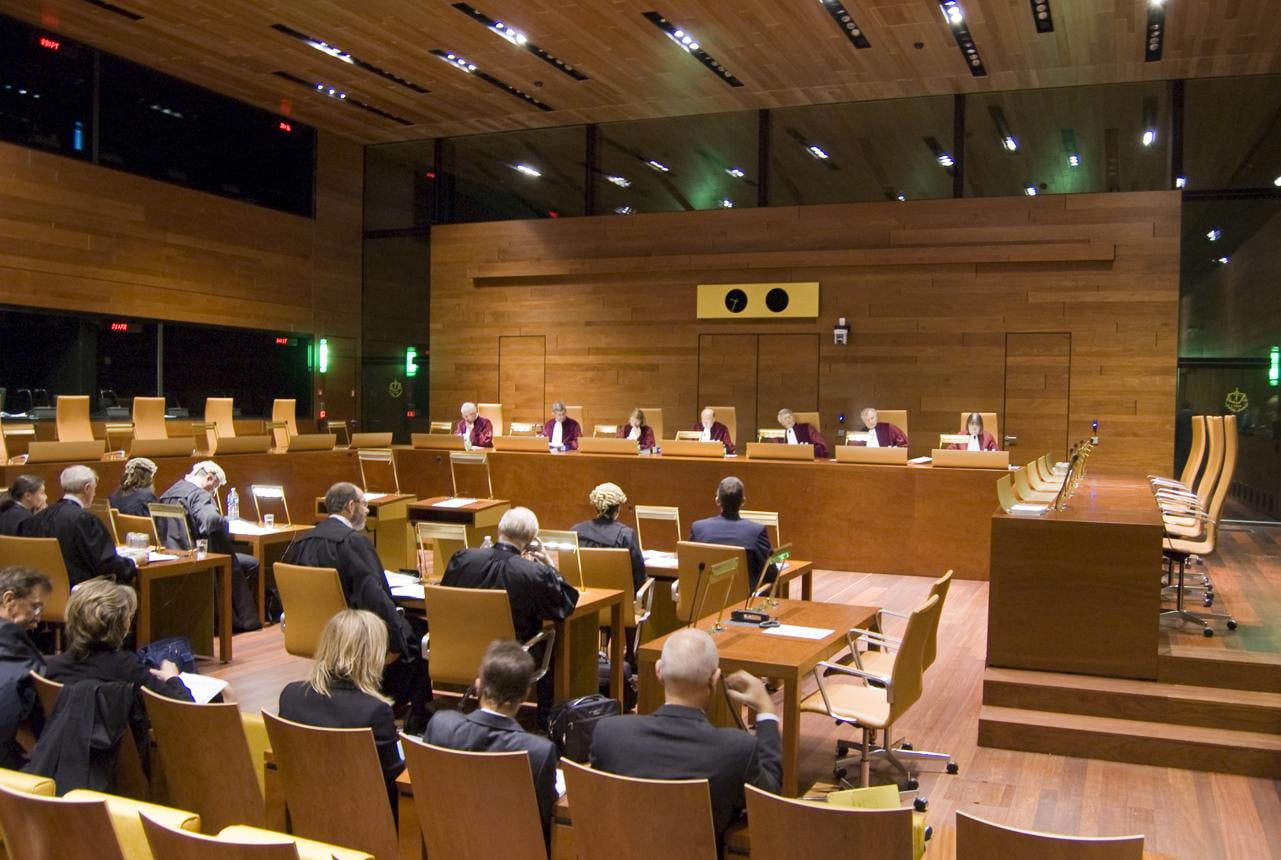
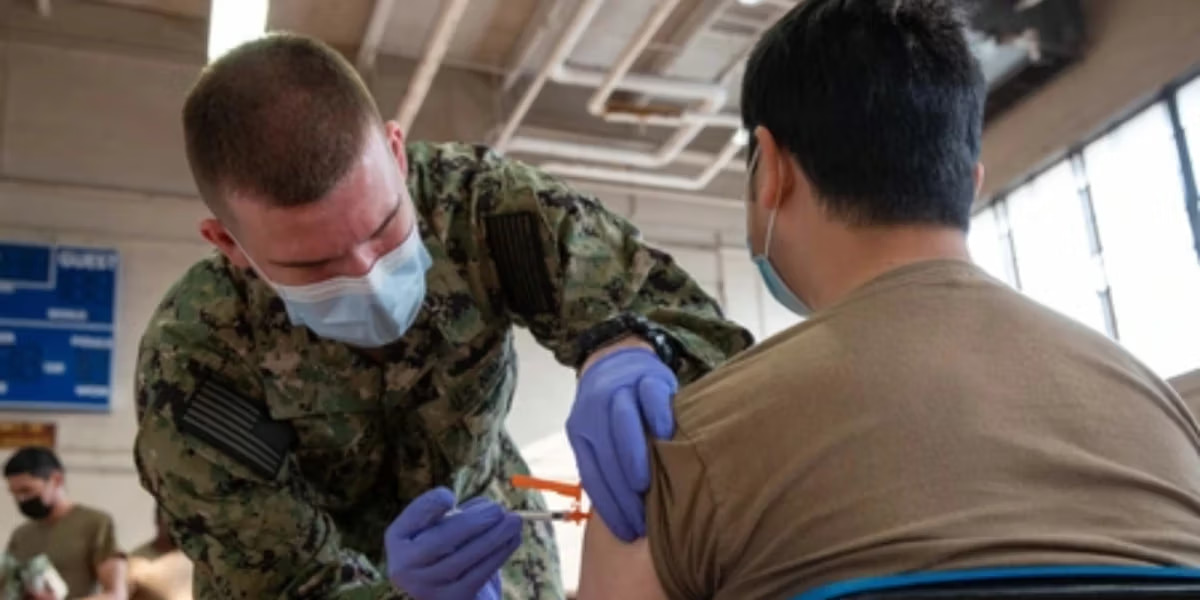
Rome: A soldier’s objection that the army was held to a stricter health rule than the civilians working beside it has failed at the highest court in the European Union. On 18 June 2026 the Court of Justice ruled that a compulsory vaccination requirement against COVID-19, applied only to military personnel, does not amount to discrimination under EU law. The judgment closes a case that began with one Italian serviceman and touched a question that ran far wider than the barracks.

The claimant, identified as BG, challenged an Italian decree-law that made vaccination mandatory for members of the armed forces. His argument was one of equal treatment: civilian workers facing comparable risks of transmission were under no such obligation, so why should soldiers be singled out. To him the distinction looked less like a health measure than an unjustified burden imposed on one category of worker alone.

The Court disagreed. It held that confining the mandate to military personnel did not breach EU non-discrimination rules, accepting in substance that the armed forces are not simply another workplace. The ruling reflects a long-standing thread in European law that recognises the particular demands placed on military readiness and the duties that come with service, which can justify obligations that would be harder to defend for the general workforce.

The significance lies in how the comparison was handled. Discrimination claims turn on whether two groups are genuinely in comparable situations, and the judgment effectively confirms that soldiers and civilian staff, even those exposed to similar infection risks, are not interchangeable for these purposes. The operational need to keep units deployable, and the chain of obligations that distinguishes military service from ordinary employment, gave the state room to treat the two differently without crossing into unlawful discrimination.

The timing gives the decision a retrospective weight. The pandemic-era mandates that provoked fierce legal and political argument across the continent are now being tested before the senior courts, and this ruling lands firmly on the side of governments that imposed targeted requirements on their forces. It will not settle every dispute, but it offers a clear marker for national courts weighing similar challenges still working their way through the system.

For the wider debate over how far the state may go in compelling medical treatment, the judgment is narrow but pointed. It does not endorse blanket mandates, and it does not address the civilian workplace. What it does say is that a democracy may ask more of those it sends into uniform, and that asking more is not, by itself, treating them unfairly. In Rome, where the contested decree originated, the ruling draws a line under a controversy that has shadowed the armed forces since the height of the health emergency.