Tours: The EU livestock strategy goes before member state envoys on Monday 9 November, when the Council’s Special Committee on Agriculture holds an exchange of views on the plan and its companion Protein Action Plan. The Irish Presidency will present a report for the discussion, according to the provisional agenda dated 5 November.
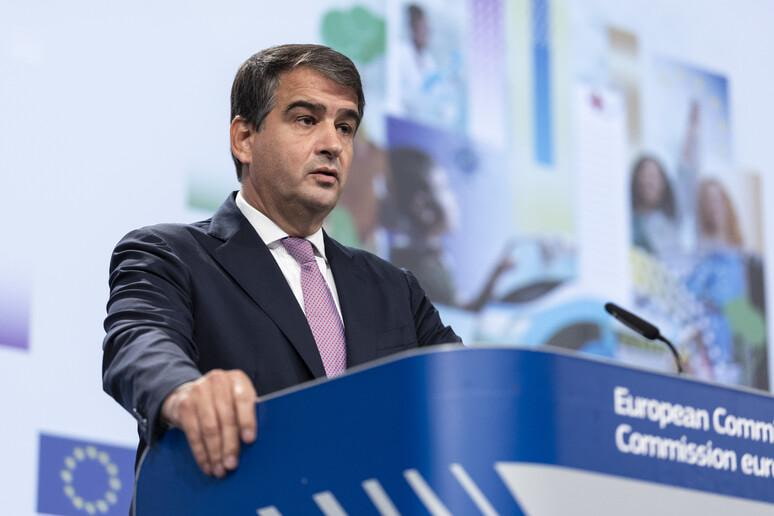
The Commission adopted the livestock strategy on 7 July, and Executive Vice-President Raffaele Fitto presented it with Agriculture Commissioner Christophe Hansen. The Commission says the sector employs about 7 million people and generates around 400 billion euros in annual turnover. Hansen also cited a trade surplus of 37 billion euros and a 10 percent fall in livestock numbers over ten years.
Hansen warned that the sector’s success is at risk because of rising production costs, extreme weather, animal diseases and low profitability. The livestock strategy answers with five priorities: crisis preparedness, competitiveness, sustainability, support for all regions and excellence. Competitiveness includes exploring finance for the move to cage-free systems, while sustainability covers targeted animal welfare revisions for laying hens, young chickens and pigs with transition periods and financial support.
Regional measures include a roadmap for low-capacity and mobile slaughterhouses, and the excellence strand promises stronger EU origin labelling. Press coverage adds work with the European Investment Bank on climate insurance and disease risk management, along with a Buy European campaign. The Protein Action Plan aims to lift the EU-grown share of oilseeds and protein crops in animal feed from 25 percent in 2025 to 35 percent by 2035.
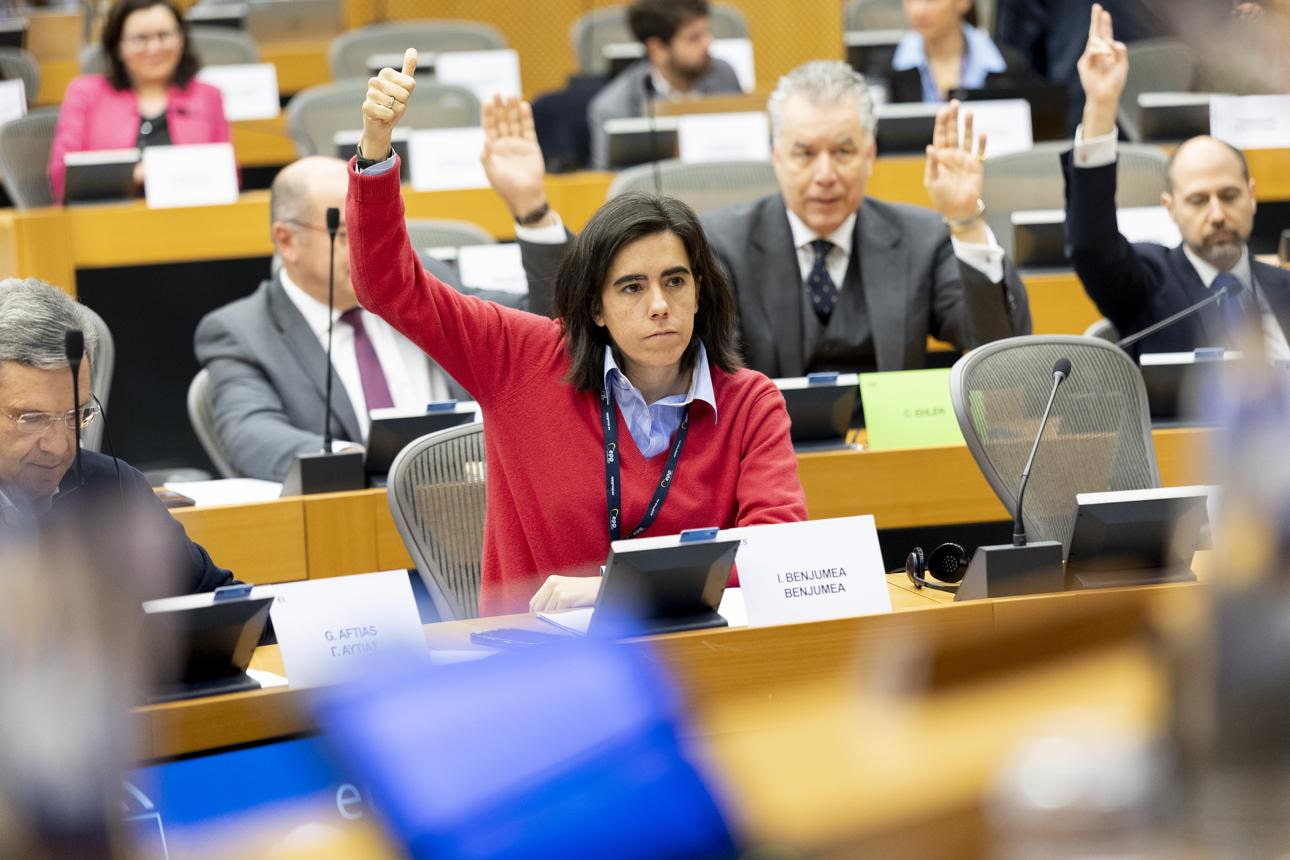
Capitals will probe the money question first, since the strategy sets priorities but does not itself create a budget line. The talks arrive as farm ministers also work on the post-2027 farm policy, and the livestock strategy will compete for attention with that file. Two further Agriculture and Fisheries Councils follow, on 23 November and on 14 and 15 December.
The Commission presents the plan as a response to pressure on farm incomes, not as a new subsidy scheme, and it asks capitals to share ideas on crisis preparedness such as climate insurance and disease risk management. Farm groups have not been quoted in the material reviewed, so producer reaction remains to be seen.
The animal welfare legislation tied to the plan has moved slowly. The animal transport proposal from December 2023 has no Council general approach and no Parliament plenary position, and the Irish Presidency tabled a new compromise text in late September or early October. Monday’s exchange will show whether governments want the livestock strategy to speed that work or to soften it.