
Brussels: The EU methane regulation is about to lose some of its bite after the European Parliament voted on 22 October 2026 to postpone key obligations, by 341 votes to 225, with 6 abstentions. The text delays several duties on oil, gas and coal operators and importers, and it now goes into talks with member states.
The Commission proposed the delay on 14 October, under pressure from 20 member states, industry lobbies and gas-exporting countries. The centre-right EPP group then asked for the urgency procedure, which Parliament approved on 20 October. That speed left little room for the usual committee scrutiny of a change to the methane regulation.
The biggest shift concerns imports. Importers of oil, gas and coal must measure and report methane emissions and show that their supply meets EU standards, and those duties were due to start in January 2027. Under the vote they apply from 2031 instead. The Commission has to report on how the import provisions work by 1 July 2029, which gives lawmakers a checkpoint before the new date arrives.
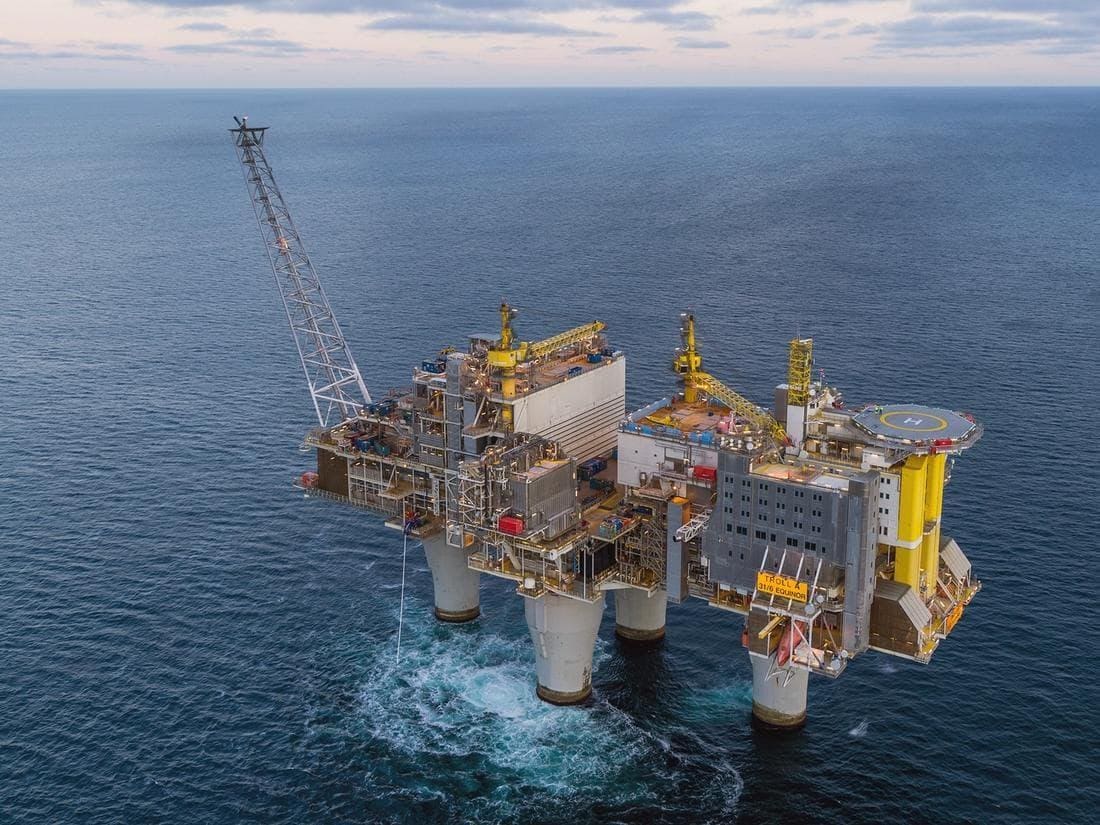
Operators inside the Union also gain time. Oil and gas companies get an extra three years to report emissions at source and site level, so the new deadline falls in 2030 or 2031 depending on the type of asset. Stavanger, Norway’s offshore energy hub, is the sort of place where exporters follow the methane regulation closely, because Norwegian gas supplies a large share of European demand.
Supporters of the delay argue that measuring methane across foreign supply chains is hard, and that exporters need more time to build monitoring systems. Critics say the opposite. Methane traps far more heat than carbon dioxide over the short term, and postponing the rules leaves leaks unchecked while the EU debates its climate targets.
The numbers in the debate need care. The headline describes a three-year postponement, yet moving the import deadline from January 2027 to 2031 is closer to four years. The difference shows how much the final wording matters, and the compromise may still change before it becomes law.
EU ambassadors failed to agree a quick position on 21 October, and talks were due to resume on 28 October. Only after that can formal negotiations between Parliament, the Council and the Commission begin. If the three institutions settle quickly, the revised methane regulation could be published well before the original 2027 date.
For energy firms and importers, the practical question is planning. Many have already budgeted for monitoring equipment and reporting software, and a later deadline changes those investment schedules. The methane regulation will stay in force, but the vote shows that its toughest duties are now a bargaining chip in 2026.


